
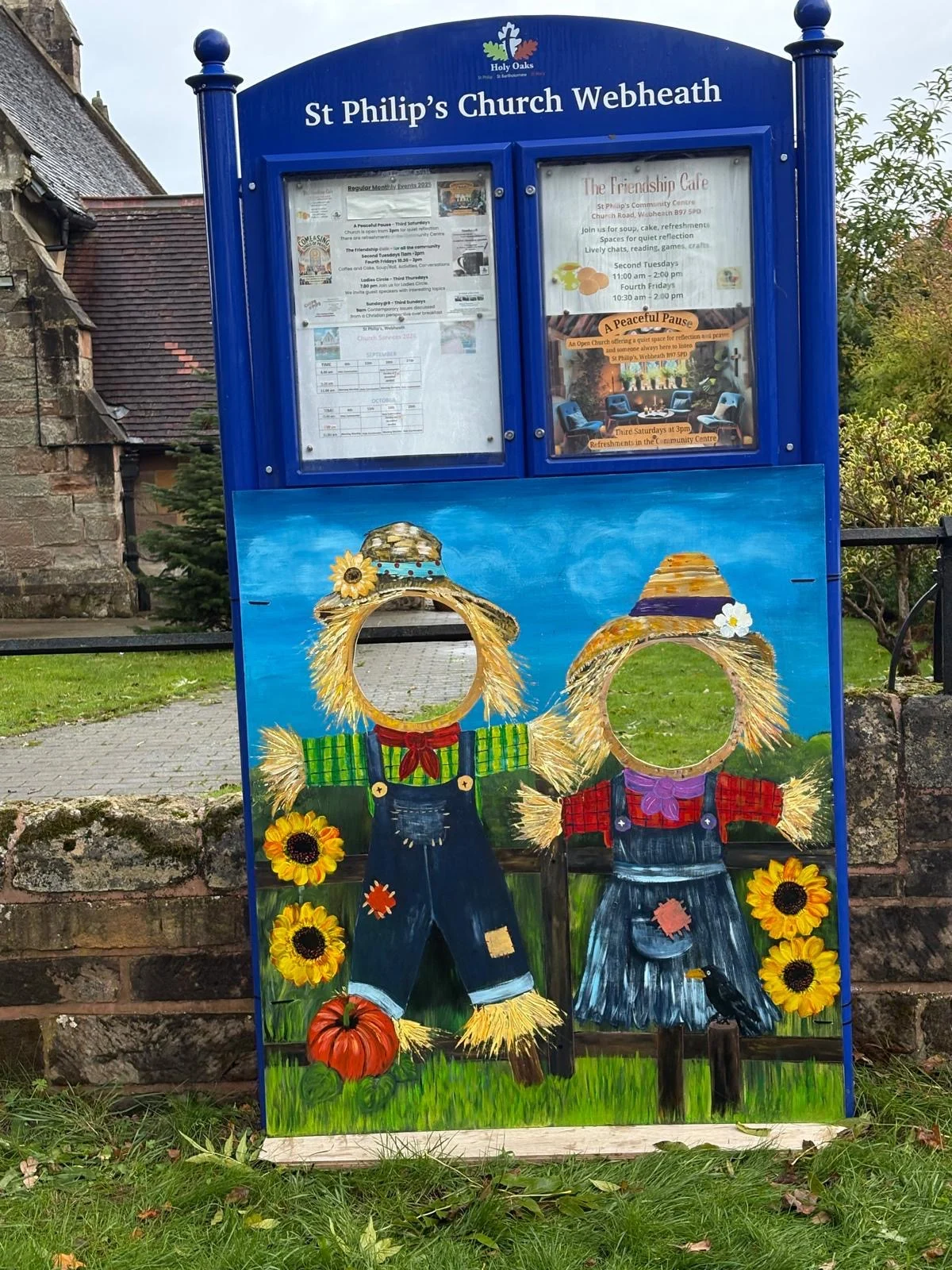
Selfie scarecrows at Webheath church
St Philip's Church in Webheath is taking part in a local Scarecrow Trail, which runs from Saturday 24 to Tuesday 27 October.

Mothering Sunday is celebrated in churches on the fourth Sunday in Lent (14 March in 2021). Traditionally it is a day when we thank God for the love of our…
Traditionally it is a day when we thank God for the love of our mothers, and we thank them in person for their care for us. In the UK, the service dates back hundreds of years to the time when people were encouraged once a year, on Laetare Sunday, to return to their home or ‘mother’ church or cathedral. In Latin, the first words of the prayer for this Sunday were ‘Laetare, O Jerusalem’ (‘Rejoice, O Jerusalem’) taken from Isaiah 66.10, and the prayer spoke of the love for Jerusalem – the original ‘mother church’.
In 2021, the Children’s Society is asking churches to help them fight for hope for children and young people on Mothering Sunday, when we think about and thank all those who care for us.

The coronavirus pandemic has affected all our lives, but it has hit vulnerable children and young people particularly hard. They have had months out of school, hidden from view and often without access to online learning resources. Lockdown has trapped children at home with people who hurt and abuse them, and our research shows lockdown has also made some children more vulnerable to criminal exploitation and online grooming. As their mental health and well-being suffers, many children are losing hope.

Over the last 15 years, The Children’s Society has studied and reported on children’s well-being. And each year they have seen a consistent decline, which has only worsened as a result of the pandemic. The charity has launched its ambitious goal of overturning that decline by 2030.
The theme of their Mothering Sunday resource is ‘Fighting for hope’. The charity fights for hope by providing support for those who need it most and by campaigning for changes that make life better for young people.
Alyssa (not her real name) grew up in a home where there was violence, and that affected her mental health. Then she started getting bullied at school too. At one point Alyssa felt that she was completely overwhelmed, like she was ‘drowning’. Unfortunately school didn’t offer her the support she needed.
She says: ‘My life before The Children’s Society, I wouldn’t even consider it a life. I would try and stay in the house as much as possible. I’d refuse to go to school, or I would pretend to be sick so I wouldn’t have to go, and it wasn’t healthy.’
Eventually, Alyssa came to one of The Children’s Society’s projects and received counselling from Kerry, one of our project workers. This gave Alyssa the strength and tools to get better.
Today she says:
‘I probably would be dead by now without The Children’s Society and I’ve noticed such a big change in myself. It brought back the Alyssa that I knew, that I love and that everyone else around me seems to love, but I guess she got lost on the way before that. I don’t know what I would have done without The Children’s Society and I’m very grateful for everything they’ve done for me.’
Alyssa found a community of care through The Children’s Society, and the care and help she received has enabled her to move forward in life and to reach her full potential.
St Philip's Church in Webheath is taking part in a local Scarecrow Trail, which runs from Saturday 24 to Tuesday 27 October.

October is Black History month. This is being marked by two of our churches in completely different ways. Read about what Bewdley and Kidderminster East have been doing.
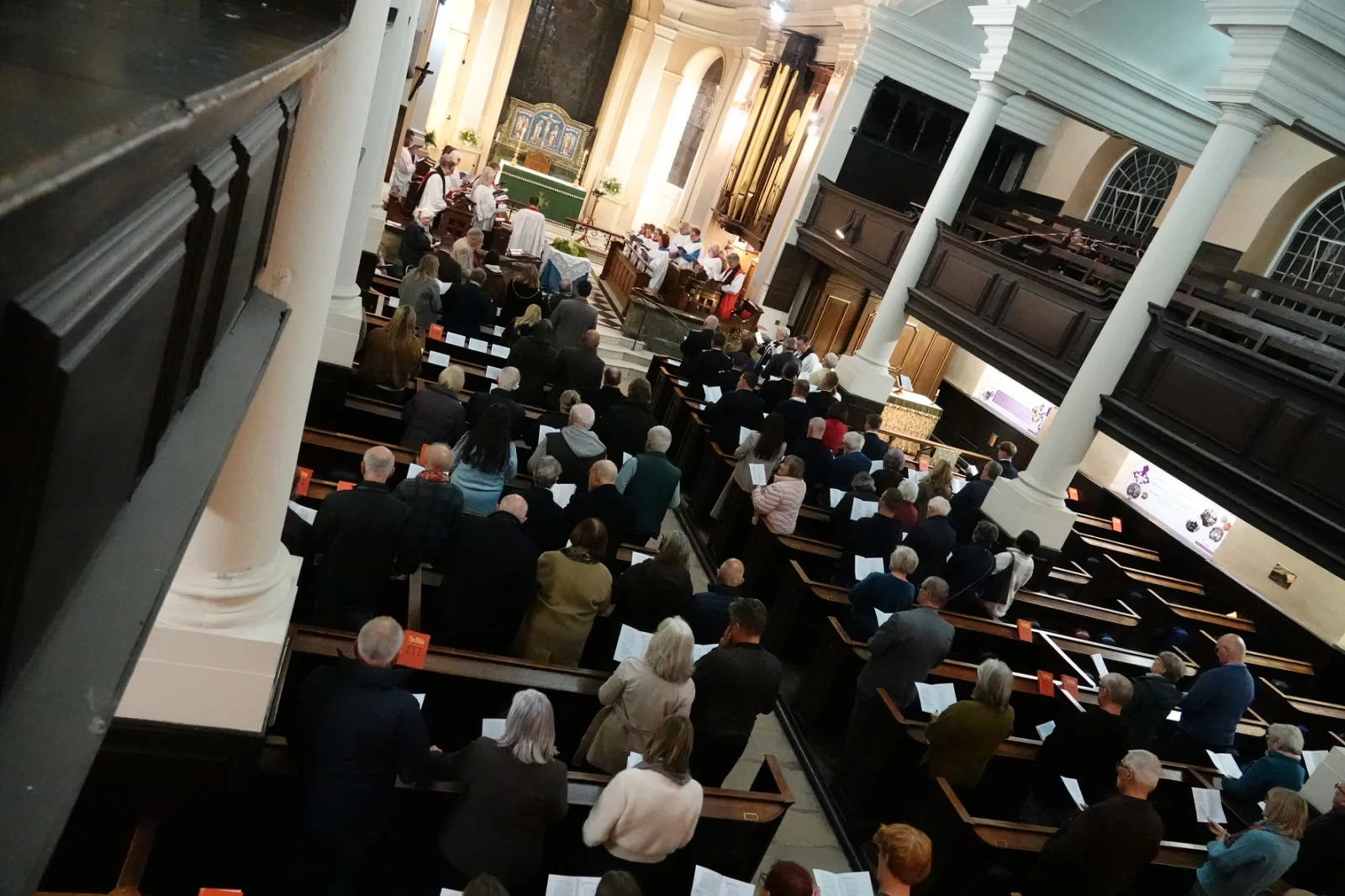
The community of Stourbridge gathered at St Thomas’ Church for a service of reflection and thanksgiving following the Stourbridge wildfires.…
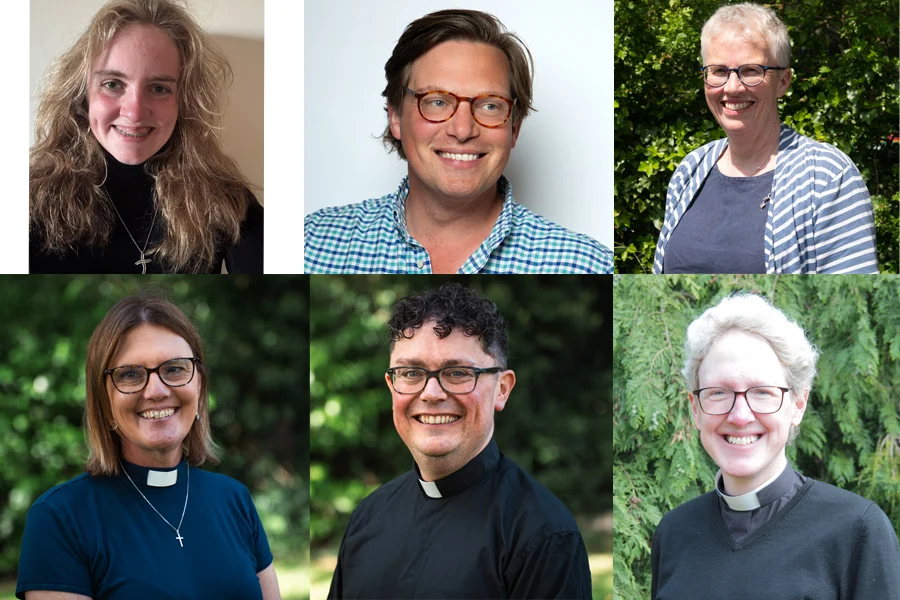
Following the electronic count on 14 October, six people have been elected to stand for General Synod from across the…
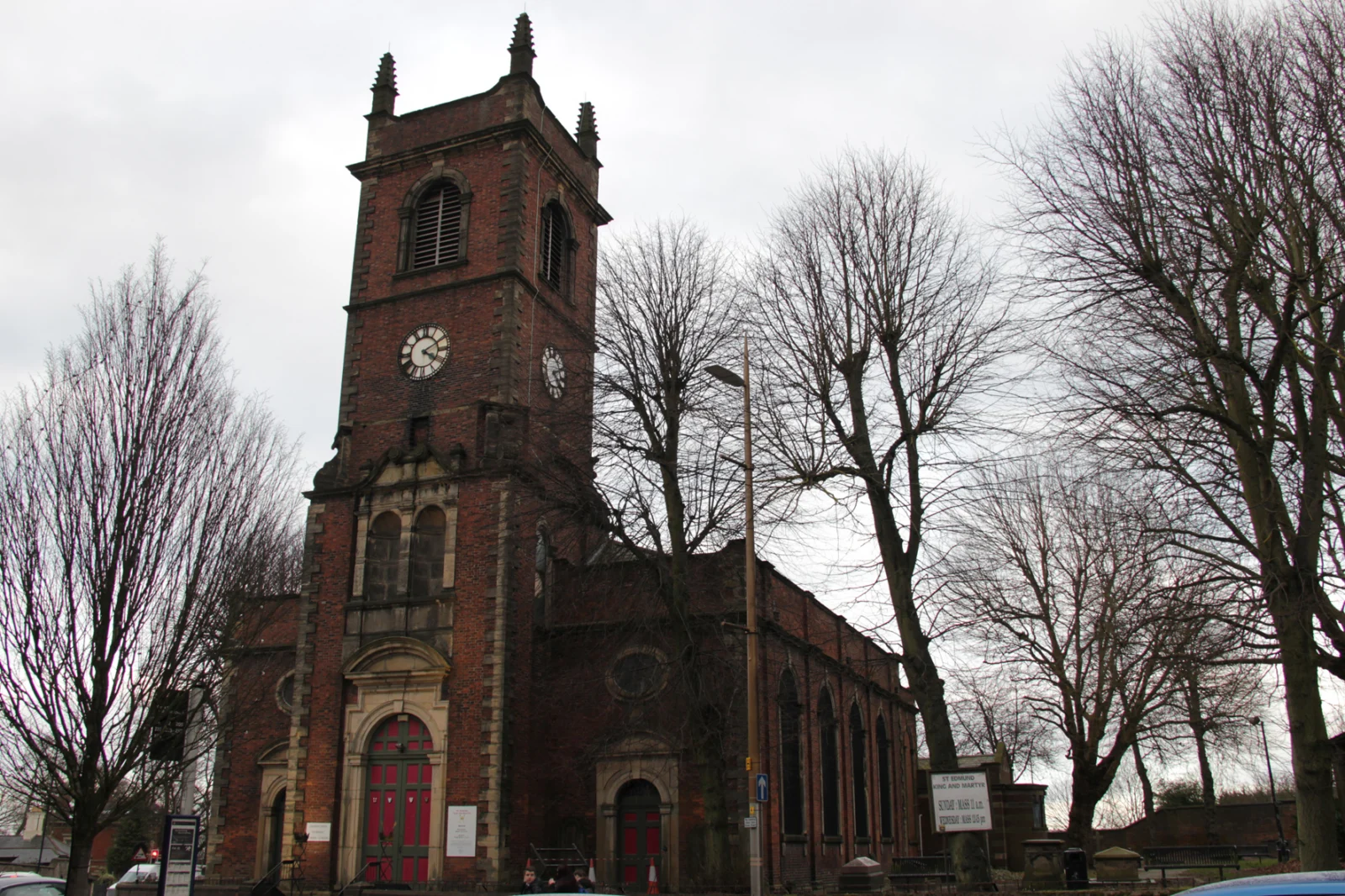
St Edmund’s Church in Dudley (also known as Bottom Church) has been awarded £587,320 in the first round of the…
Bishop Hugh has announced the appointment of the Revd Jason Clarke MBE as Priest in Charge (Team Rector designate) of…
Readings: 2 Timothy 4.5-17 Luke 10.1-9 Sermon: If you spend any time with Luke’s Gospel, you start to notice something:…
Following the positive impact of the previous funding made available under the Minor Repairs and Improvements Grant Fund and the Net…
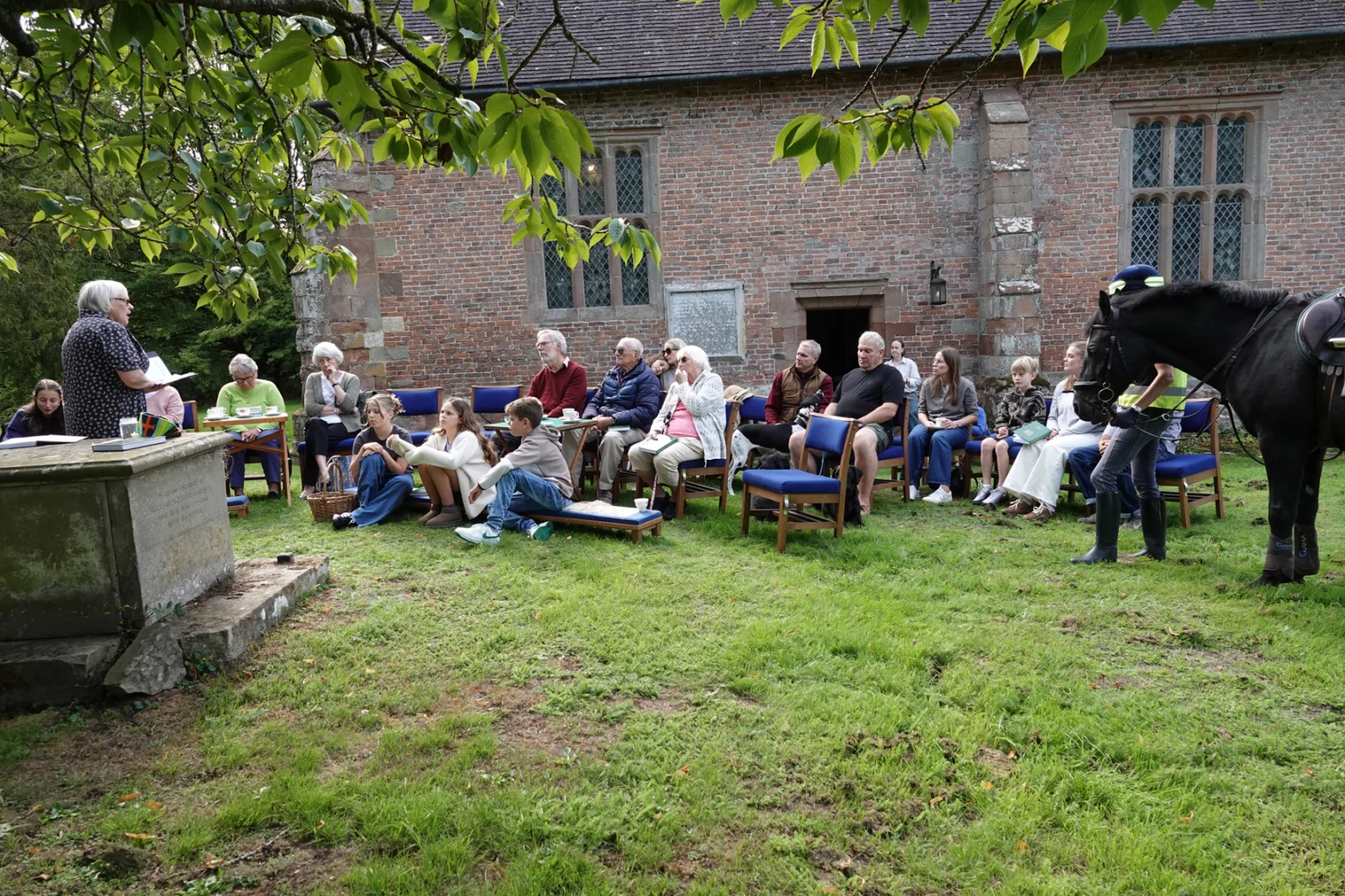
Stir Up Church is a New Worshipping Community which takes place at St Mary’s Church in Hanley Castle on the…
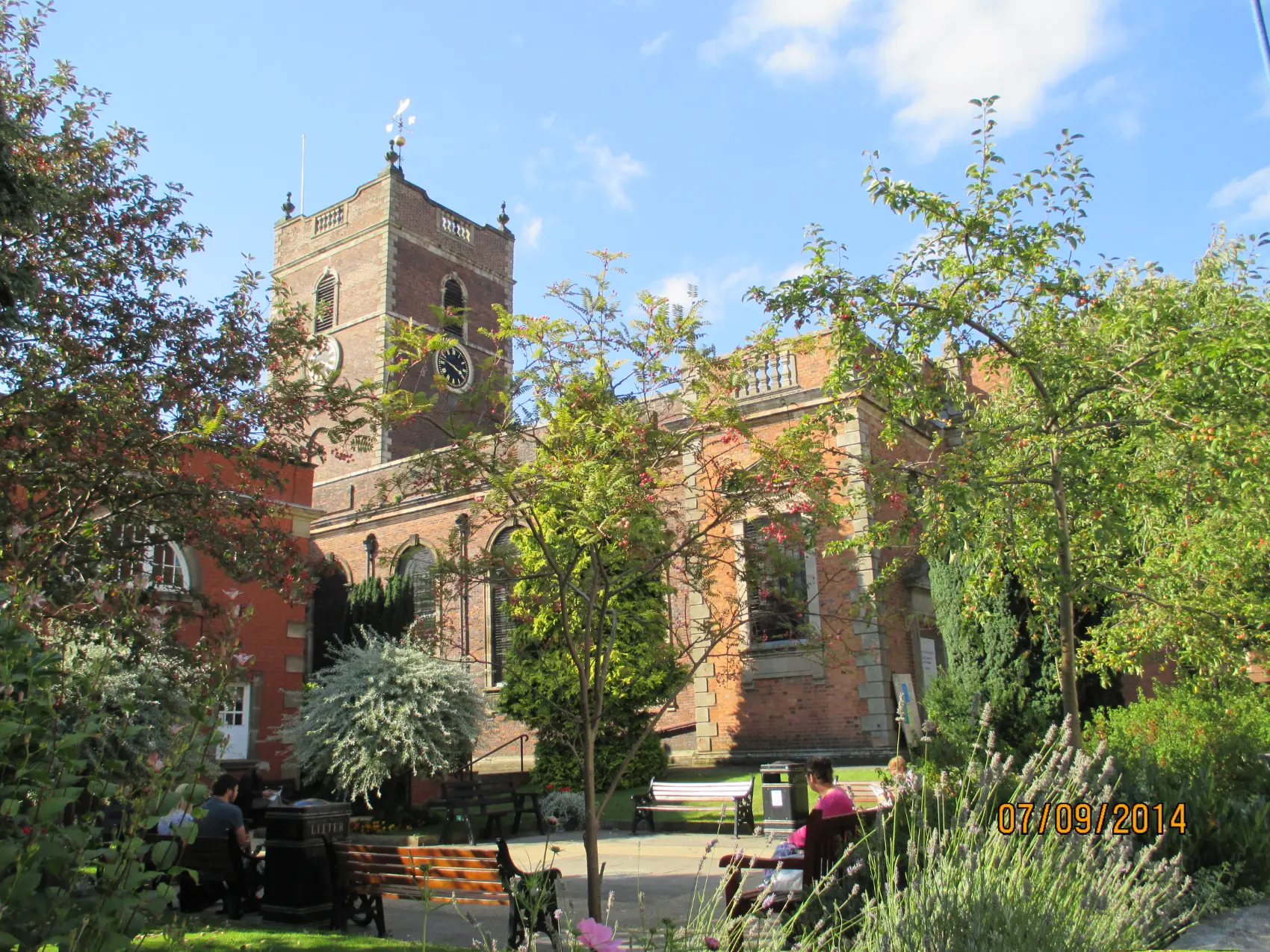
Bishop Martin will host a special service at St Thomas’ Church in Stourbridge on Sunday 18 October following the devastating…