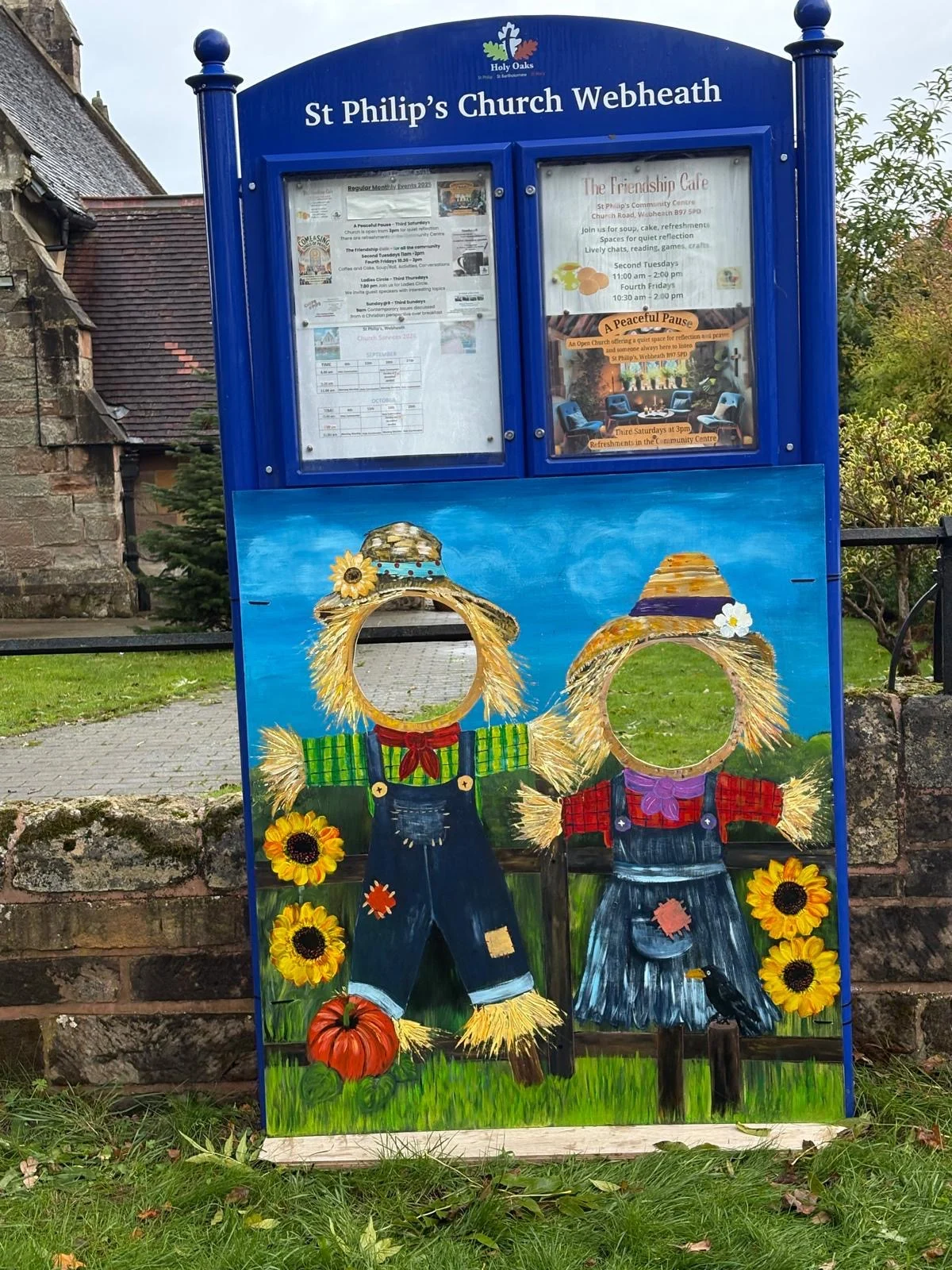
Selfie scarecrows at Webheath church
St Philip's Church in Webheath is taking part in a local Scarecrow Trail, which runs from Saturday 24 to Tuesday 27 October.
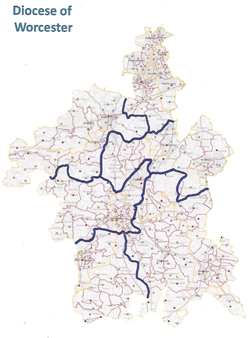
Last week we launched a consultation on a proposal to reduce the number of deaneries from 13 down to six. All are welcome to contribute to this consultation, which will…
Last week we launched a consultation on a proposal to reduce the number of deaneries from 13 down to six. All are welcome to contribute to this consultation, which will run until Friday 4 December.
Reducing the number of deaneries is an important step towards ensuring our diocese is fit for purpose going forward. Our current deaneries are very small and moving to larger groupings will offer more flexibility when considering where ministers are placed as well as provide a broader canvas for mission planning. It makes sense to carry out significant restructuring in one go rather than make a series of changes over time and also to align our structures more closely to civic ones – at the moment, the Metropolitan borough of Dudley is spread across three deaneries, and the City of Worcester is divided across two.
It is proposed to move to six deaneries, with each having a mix of urban and rural and a town (or towns) working in partnership with their rural outlying areas.
As a result of benefices being in different deaneries, the Bowbrook and Wychebrook group ministry will no longer exist. The Deaneries of Greater Dudley and Redditch & Bromsgrove would form the Archdeaconry of Dudley, the other four will be the Archdeaconry of Worcester.
The Church of England suggests that the size of a deanery synod should be between 50 and 150 members. Currently nine of our deaneries are too small, and the biggest deanery synod only has 59 members when full. By moving to six deaneries, synods would have between 70 and 135 members, helping to make them more effective. However, having larger deaneries doesn’t prevent smaller mission areas meeting together, including with ecumenical colleagues. Mission and ministry structures might look different in different deaneries. For the largest deaneries, it might be that clergy preferred to meet in smaller chapters, and that a Sub-Dean could be appointed. Rural Deans will become Area Deans, as some parts of the diocese are not rural. We will also need to consider their workload, and whether some administrative support is needed.
Moving to six deaneries in this way also largely unites existing deaneries to ease the change process, with only the current Droitwich deanery being pragmatically divided into different new deaneries. Going to a larger or smaller number would lead to more disruptive change. All parishes will continue to have representation on deanery synod and larger deaneries would not be disadvantaged at Diocesan Synod as the number of places available to a deanery is linked to the size of that deanery (number of clergy, total of electoral rolls).
The concept of simplification was raised at the Open Conversations, where it was broadly supported. This proposal has been shaped by discussion with the Rural Deans and Lay Chairs, and with the Diocesan Mission, Pastoral and Resources Committee.
To respond to this consultation, please email: john.preston@cofe-worcester.org.uk.
St Philip's Church in Webheath is taking part in a local Scarecrow Trail, which runs from Saturday 24 to Tuesday 27 October.

October is Black History month. This is being marked by two of our churches in completely different ways. Read about what Bewdley and Kidderminster East have been doing.
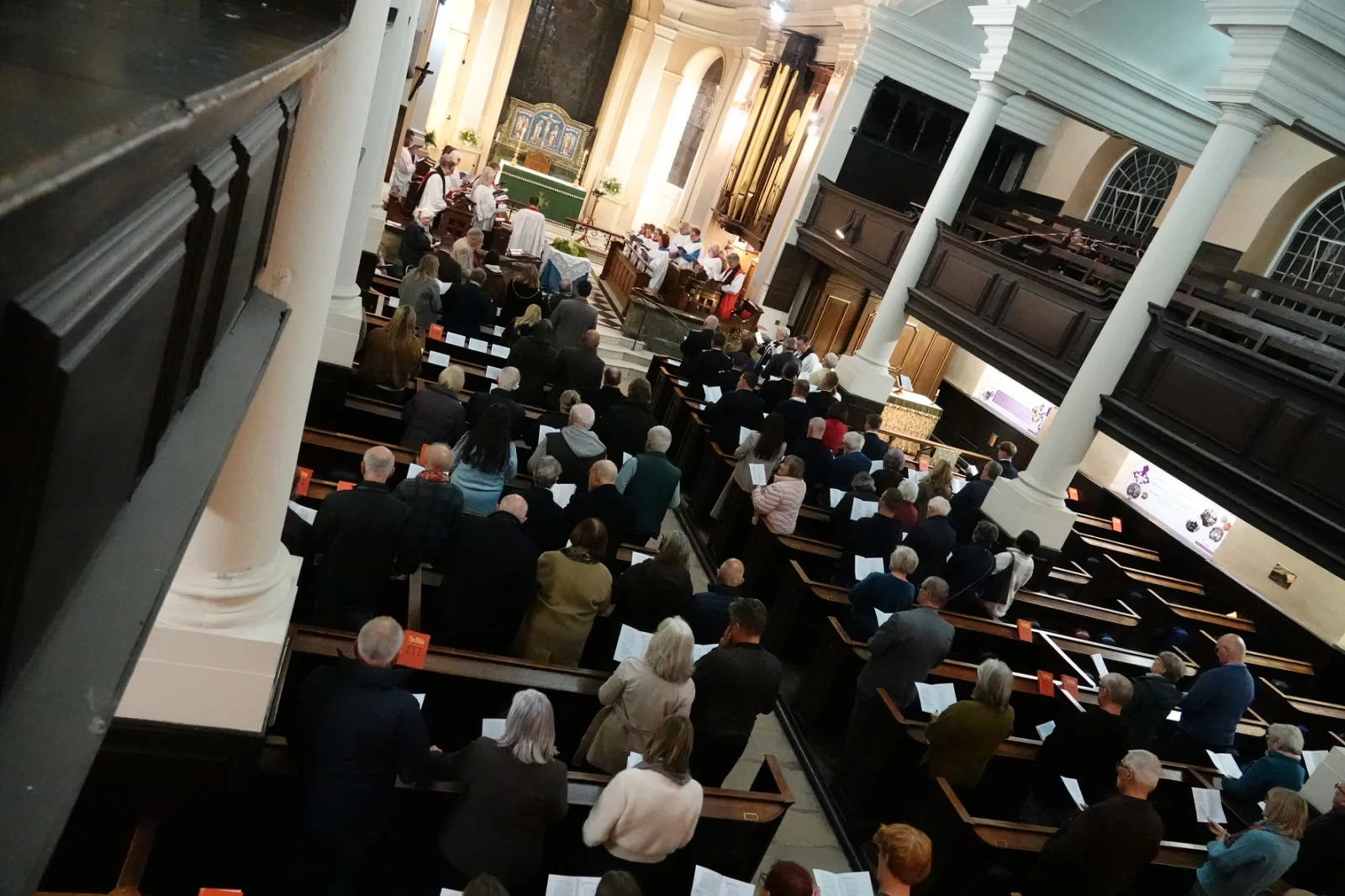
The community of Stourbridge gathered at St Thomas’ Church for a service of reflection and thanksgiving following the Stourbridge wildfires.…
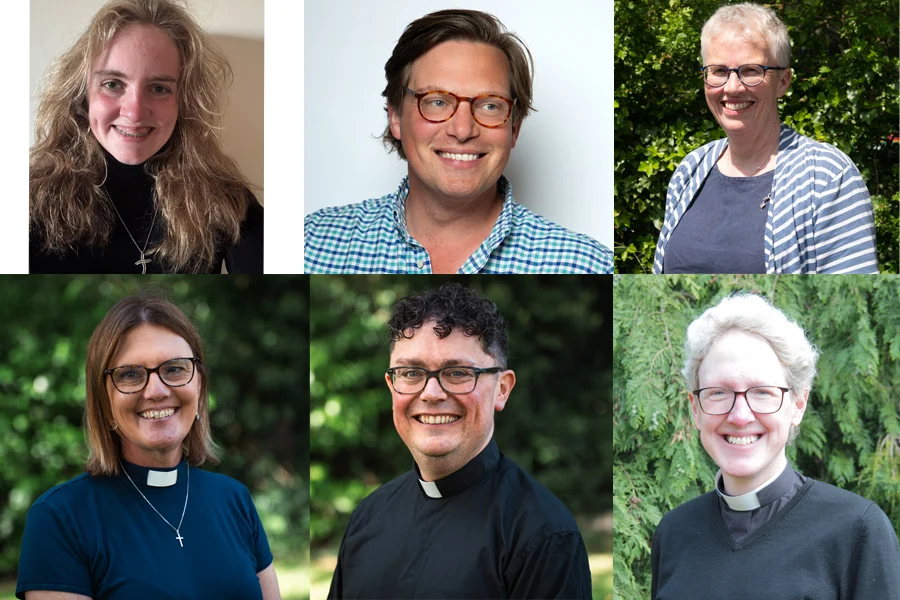
Following the electronic count on 14 October, six people have been elected to stand for General Synod from across the…
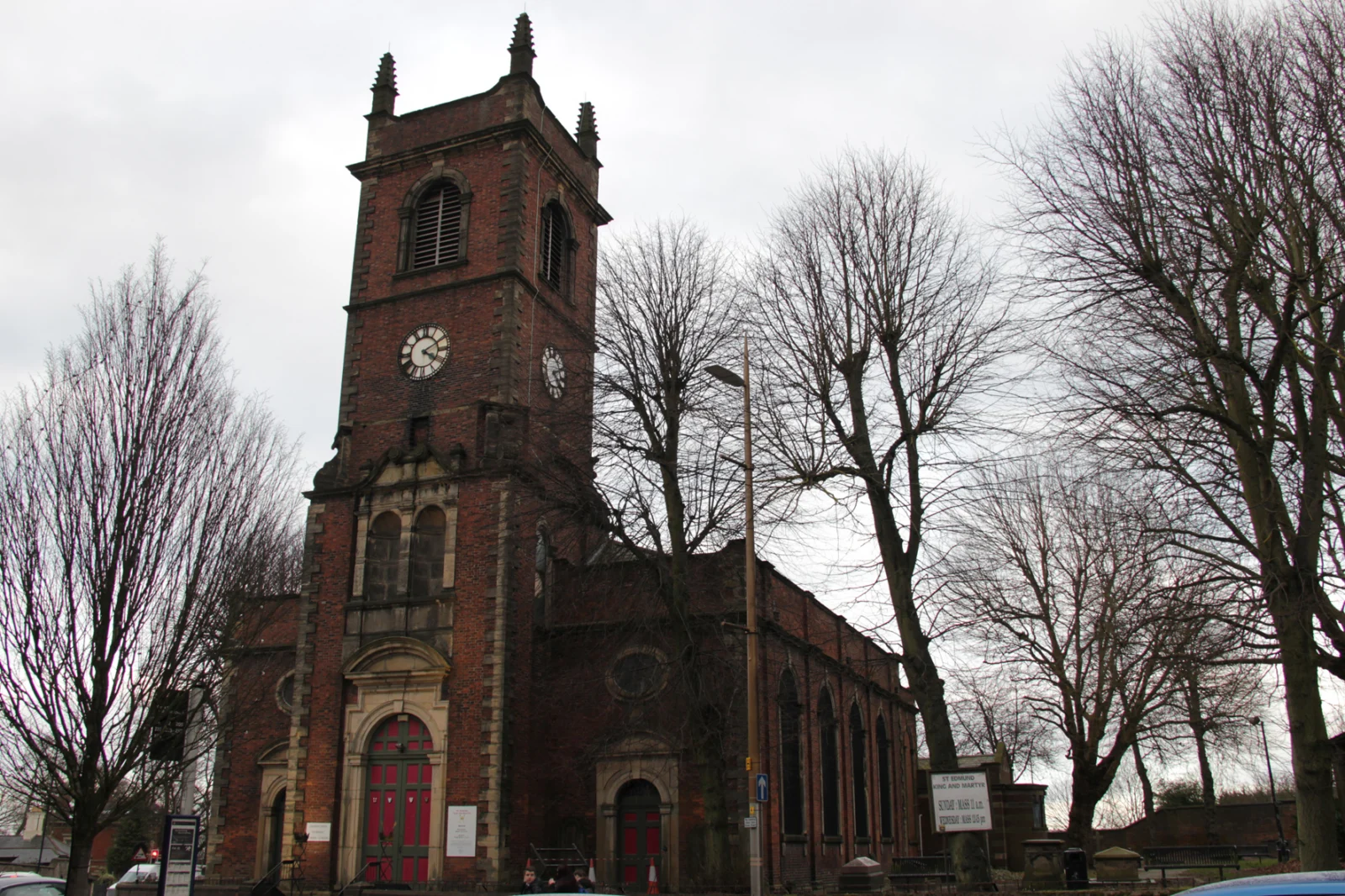
St Edmund’s Church in Dudley (also known as Bottom Church) has been awarded £587,320 in the first round of the…
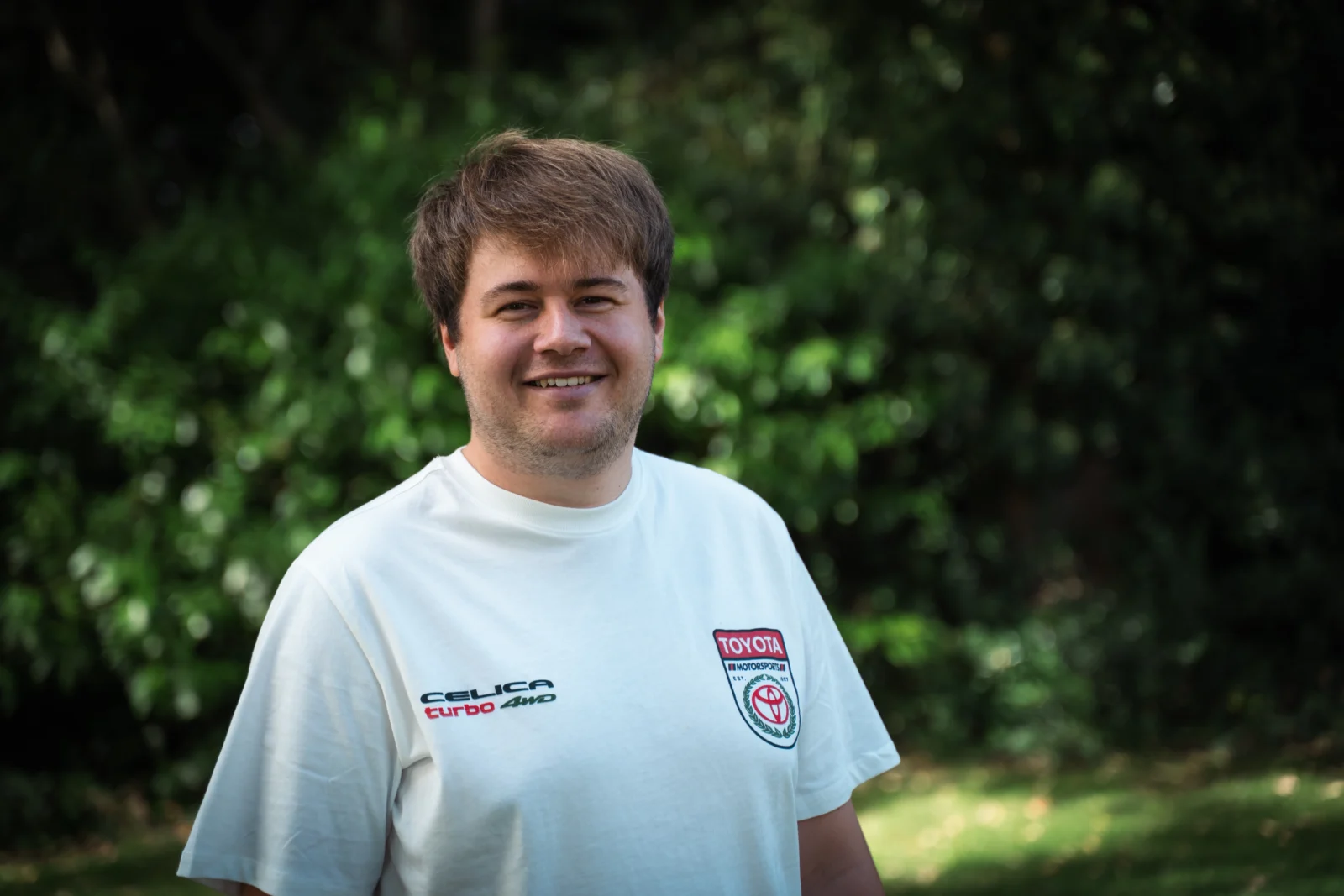
A group of three churches in Worcester who work closely together, Claines Church, St Stephen’s church in Worcester and St…
Bishop Hugh has announced the appointment of the Revd Jason Clarke MBE as Priest in Charge (Team Rector designate) of…
Readings: 2 Timothy 4.5-17 Luke 10.1-9 Sermon: If you spend any time with Luke’s Gospel, you start to notice something:…
Following the positive impact of the previous funding made available under the Minor Repairs and Improvements Grant Fund and the Net…
Stir Up Church is a New Worshipping Community which takes place at St Mary’s Church in Hanley Castle on the…