Service following the Stourbridge wildfires
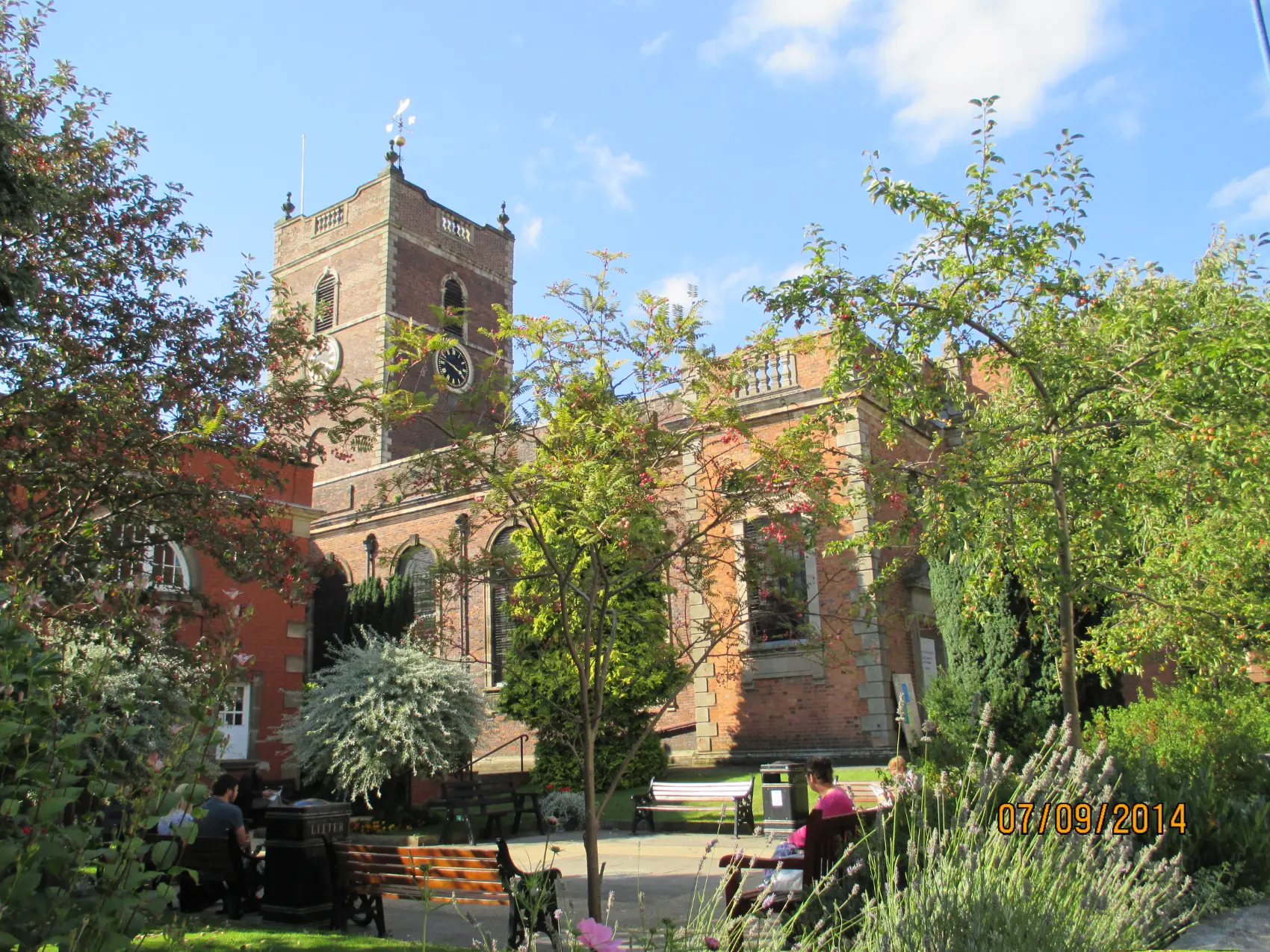
Bishop Martin will host a special service at St Thomas’ Church in Stourbridge on Sunday 18 October following the devastating…
Curious Hope: Journeying Together into God's Future is the theme of this year's clergy conference. Clergy were joined by our diocesan network of paid children, young people and family ministers…

Please pray for all those at the conference as well as the speakers and the organising team.
God of our pilgrimage, you promise your people that wherever we go we shall discover your presence with us: give us that holy curiosity that listens for your voice, discerns Christ’s presence, and responds to your Spirit, that we may journey with hope into the unknown future, knowing only that we shall find you there, gathering up the strands of our seeking, and drawing us ever more deeply into your love, who are one God, Father, Son and Holy Spirit. Amen.
On Day one of our conference, delegates were welcomed with afternoon tea. The first session opened with Bishop Hugh setting out what ‘curious hope’ means to him, saying: ‘I hope you leave here with your curiosity sharpened and your hope strengthened.’ Delegates also discussed what they were hoping for from the conference.
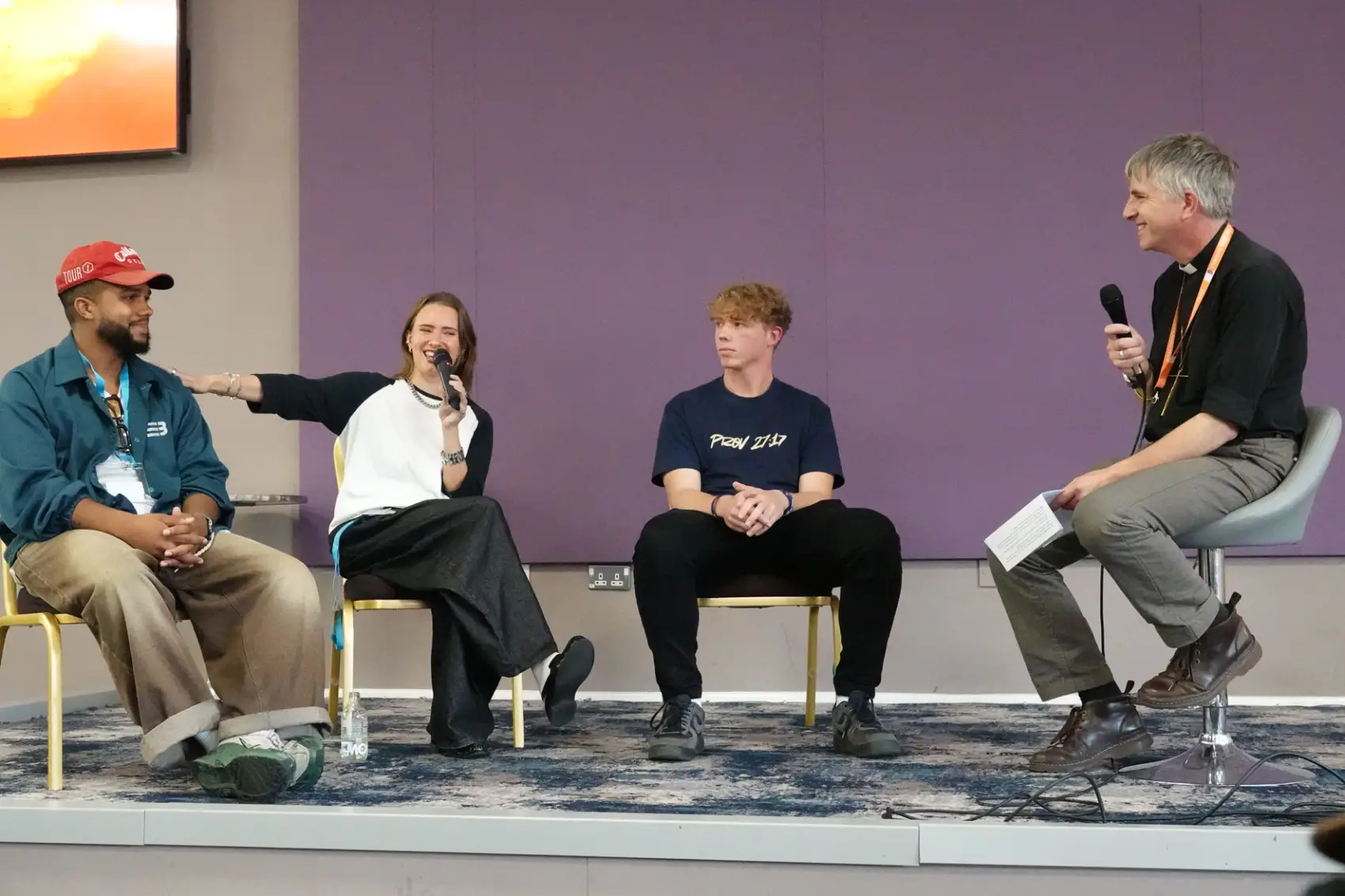
Emly Beaney (content creator), Jonathan Beecham (Director of Emmaus Gaming) and Solomon Unwin (founder of Godspace) joined Bishop Hugh for a panel discussion about what it means to be a young person of faith in today’s world.
They explored how they use social media to reach out to other young people and how young people are sometimes perceived.
There was an opportunity for delegates to ask questions, which included thoughts around busy-ness, hopeful stories of faith around social media and whether generation labels are helpful.
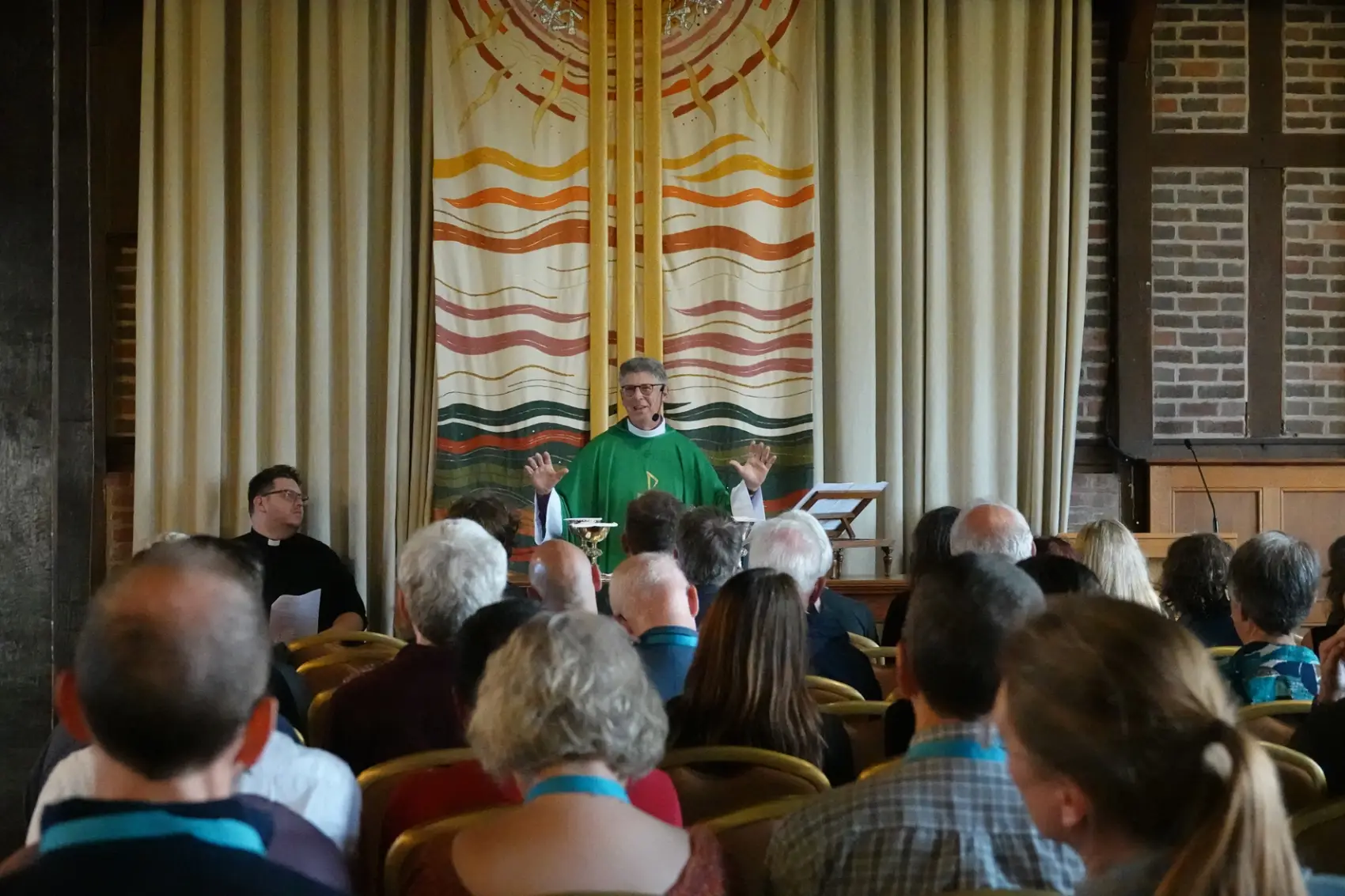
The conference then moved to the Chapel for an opening Eucharist, which was led by Bishop Martin and some of our curates. Isabelle Hamley, Principal of Ridley Hall offered the first of her talks on the book of Isaiah.
After dinner, there were welcome drinks for those who were attending the clergy conference for the first time followed by a quiz hosted by Doug Chaplin and Tim O’Leary.
Day two opened with morning worship led by a few more of our curates. Isabelle Hamley offered another bible study, continuing our journey through Isaiah.

The keynote speaker for Tuesday was the former Archbishop of Canterbury, Rowan Williams.
Rowan spoke about church and change, highlighting many of the things in our world today which mean that we feel things are changing faster than ever. He also spoke about the role of faithfulness in a changing world.
He said:
“The feeling that we no longer matter, both individually and corporately is at the real heart of the fear, anger and confusion of people around the world. This is a powerful element in worldwide conflicts and also locally, where we can see one group of vulnerable people attacking another group of vulnerable people.”
“The Church needs to respond to as well as reflect the changes in the world. The Church was brought into being to embody the faithful purpose of God. We are here because God has definitively shown that he is not going anywhere: ‘I am with you always’. We need to embody this in our service and our worship.
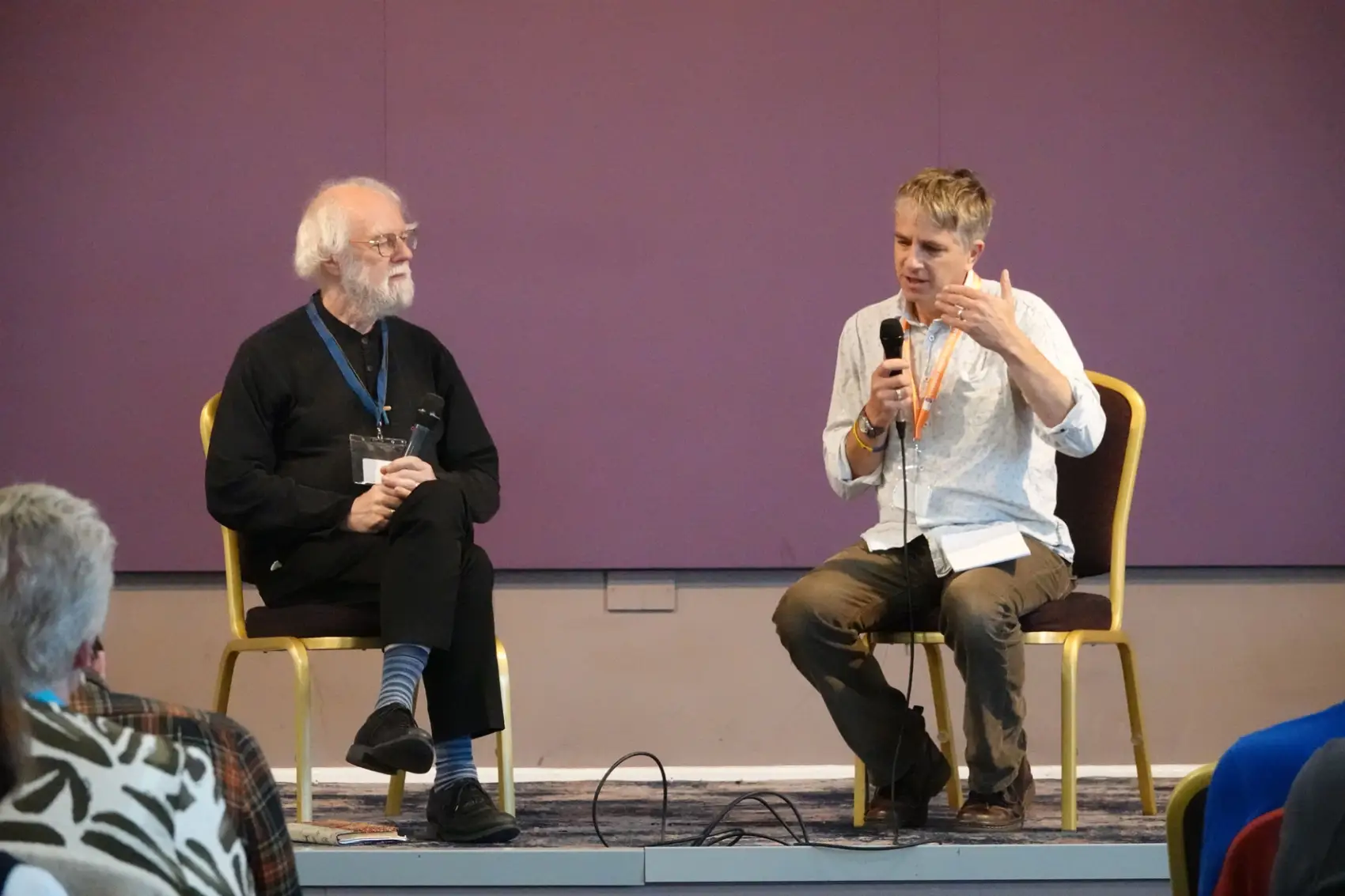
“Throughout history, God has given the Church the resources to go on being contemporary and to be there. We’re a changing church in a changing world, constantly trying to find new ways back to that heartland of faithfulness. We need to rediscover how to be faithful witnesses and honour the God who has kept promises. The God who will lift us up and carry us through all crises which might be coming. How do we learn to be faithfully where Christ is?”
Following Rowan’s talk, he was interviewed by Bishop Hugh and there was an opportunity for questions from the floor.
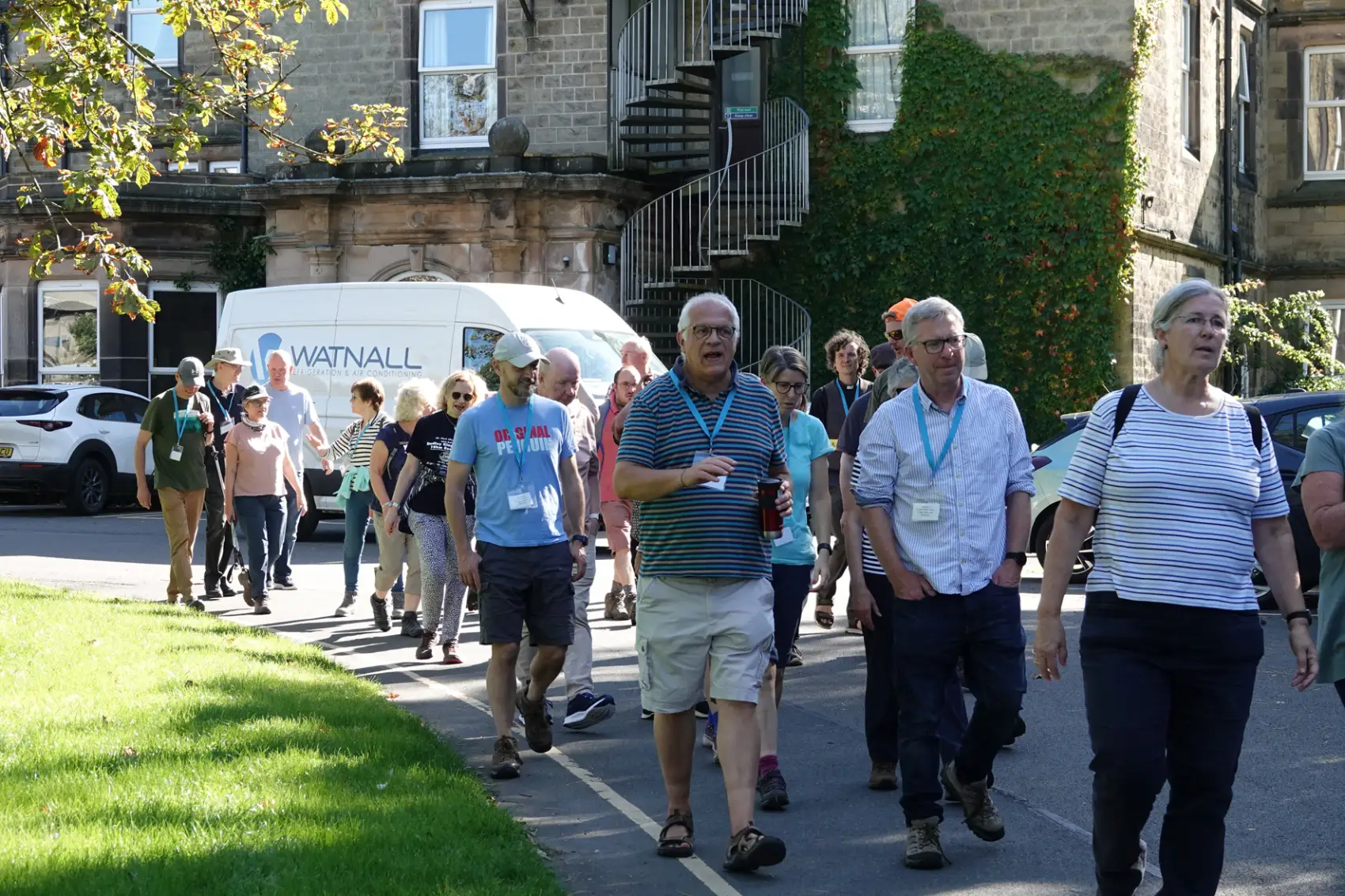
After lunch, delegates were able to take part in different seminars, contribute to an art project or enjoy the beautiful weather by going for a walk. A parish support marketplace included a range of different stalls from both diocesan teams and external organisations.
The day was rounded off with a service of contemplation in the Chapel and after dinner there were board games to play together as well as a late evening unplugged prayer and praise session with the worship group.
Day three opened with morning prayer led by curates and the third of Isabelle Hamley’s bible study on Isaiah.

The morning’s keynote speaker was writer and journalist Lamorna Ash who talked to us on new generations and what church might be able to offer younger people.
Lamorna set out some of the challenges facing young people today and some of the causes of those, including Covid and increasing technology. Mental health among young people continues to decline. Lamorna is researching and writing a new book on romantic love among young people and talked about a couple of those she had interviewed for the book.
She asked conference to consider why we want young people in our churches? Can churches support and love them on their terms?
When Lamorna spoke to young Christians for her book ‘Don’t forget we’re here forever’, she found that their optimism and hope for the future was restored by their burgeoning faith. She said:
“If you think that churches can reilluminate and re-spark the world for young people, you need to reach out to them rather than waiting for them to come to you. It’s a long time since any branch of Christianity has offered something for young people that the secular world doesn’t. But that’s what young people have been telling me. Churches can help provide some of the support for young people that have been cut through austerity.”

Lamorna was interviewed by Joseph Diwarkar, our Director of Mission and Ministry, exploring where young people might find awe in our churches and asking more about her book and whether there is a ‘quiet revival’.
“Churches are great at dealing with death and grief and loneliness in times of need. It’s also great that churches are open so people can just pop in at lunchtimes to pray. I’m delighted that there’s so many denominations of Christianity because there are so many different types of people! You can go and look at these different places and work out what you need and enjoy.”
The keynote speaker after lunch was Bishop Graham Tomlin, who directs the Centre for Cultural Witness. He spoke to us about world and witness, asking how God is perceived in our culture.

The Church does three things – worship, grow in wisdom (teach the Christian faith), and witness – Jesus’s last word to his disciples on the eve of the Ascension in Acts 1:8 were “you will receive power when the Holy Spirit has come upon you; and you will be my witnesses in Jerusalem, in all Judea and Samaria, and to the ends of the earth.”
He said:
“We live in a culture which no longer has the same Christian framework which it once had. We bear witness to Jesus Christ and the result of that witness is completely in the hands of God.”
Graham spoke about four different types of witness based on 2 Corinthians 4.
1. Captivated Witness – We always witness to what has captivated our hearts. The best witness is when the light of Christ shines in our hear and therefore witness starts with the renewal of our own faith.
2. Confessional Witness – Our witness points away from the self to Jesus Christ. We often feel like we have to present a really attractive, shiny image of ourselves to be a good witness, we think that we need to be ‘adverts’ for God. But Corinthians says that we need to be ‘letters’ from God – meek and ordinary people who sometimes get things wrong, and who witness out of our messy lives. Our witness is about how Christ helps us navigate our lives.
3. Critical witness – There’s something about the spirit of the age which stops people see the glory of God. Jesus taught by contrast and we can learn from that – how does the Christian Faith say something different to the culture. To be a good witness we need to look for the signs of God’s presence and absence – this requires us to step back and gain some distance.
4. Costly witness – Some of the greatest witnesses have been the Christian Martyrs, whose faith cost them everything. Martyr and witness are the same word in Greek. Witness which costs little will probably not achieve much. We might not be called to be martyrs, but we are called to be bold witnesses.
There was a chance to discuss some of these ideas as well as ask Graham questions, before delegates attended a number of different seminars. We came back together for our evening worship and after dinner, everyone donned their best ‘flower power’ outfits for a mini Diocese of Worcester festival, with singing, dancing and marshmallow-roasting as well as inflatable axe throwing and sumo wrestling!
See all the photos from the conference on our Flikr page

Bishop Martin will host a special service at St Thomas’ Church in Stourbridge on Sunday 18 October following the devastating…
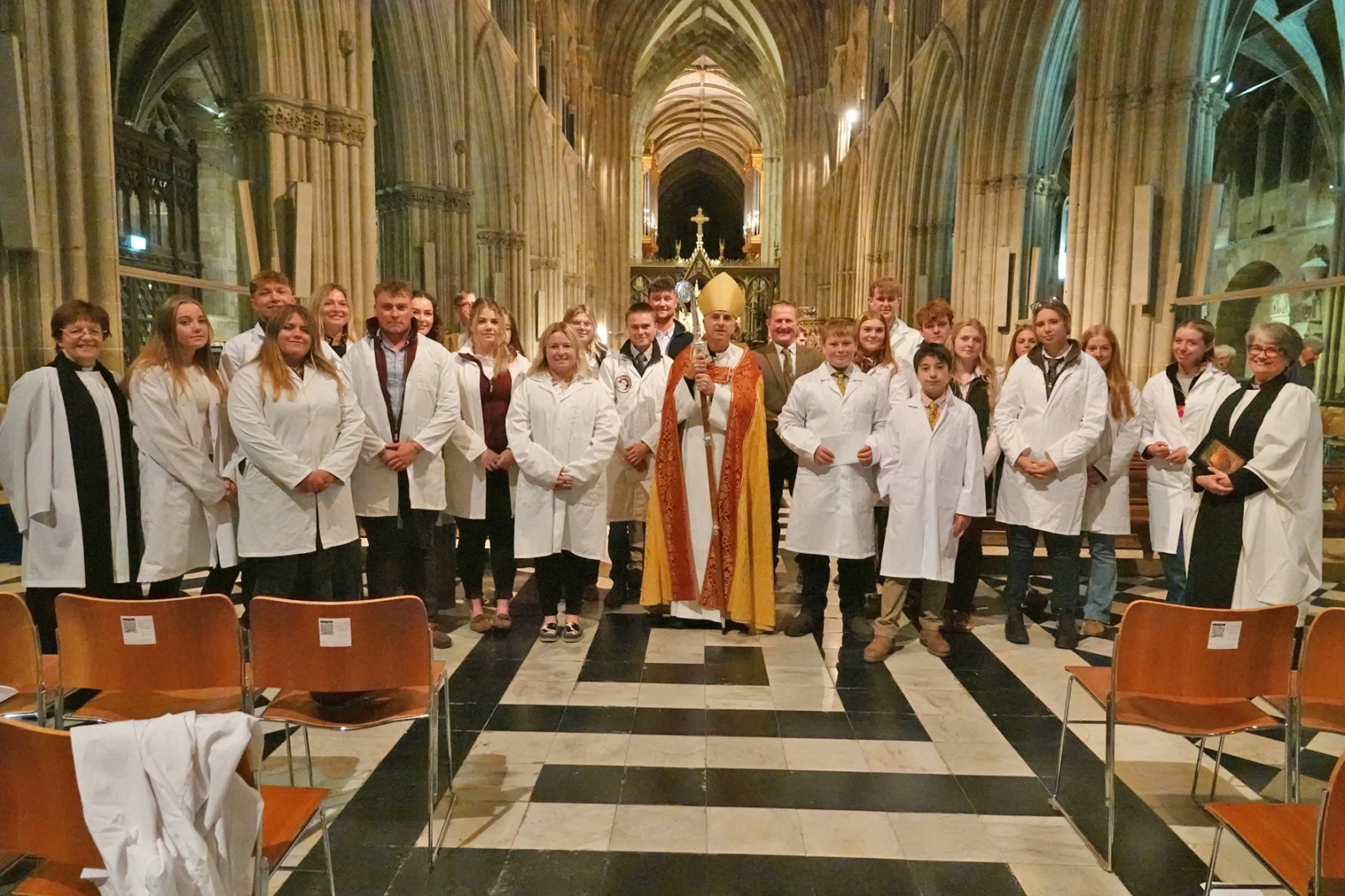
The Worcestershire Farmers’ Harvest thanksgiving was held in the Cathedral on 4 October, with farmers from across the county coming…
Bishop Hugh has appointed the Revd Fiona Green to be his new Chaplain. Fiona is currently Vice Principal, Dean of…
Penny Gordon was ordained Deacon on Sunday 27 September by the Bishop of Dudley, Martin Gorick in a special service…
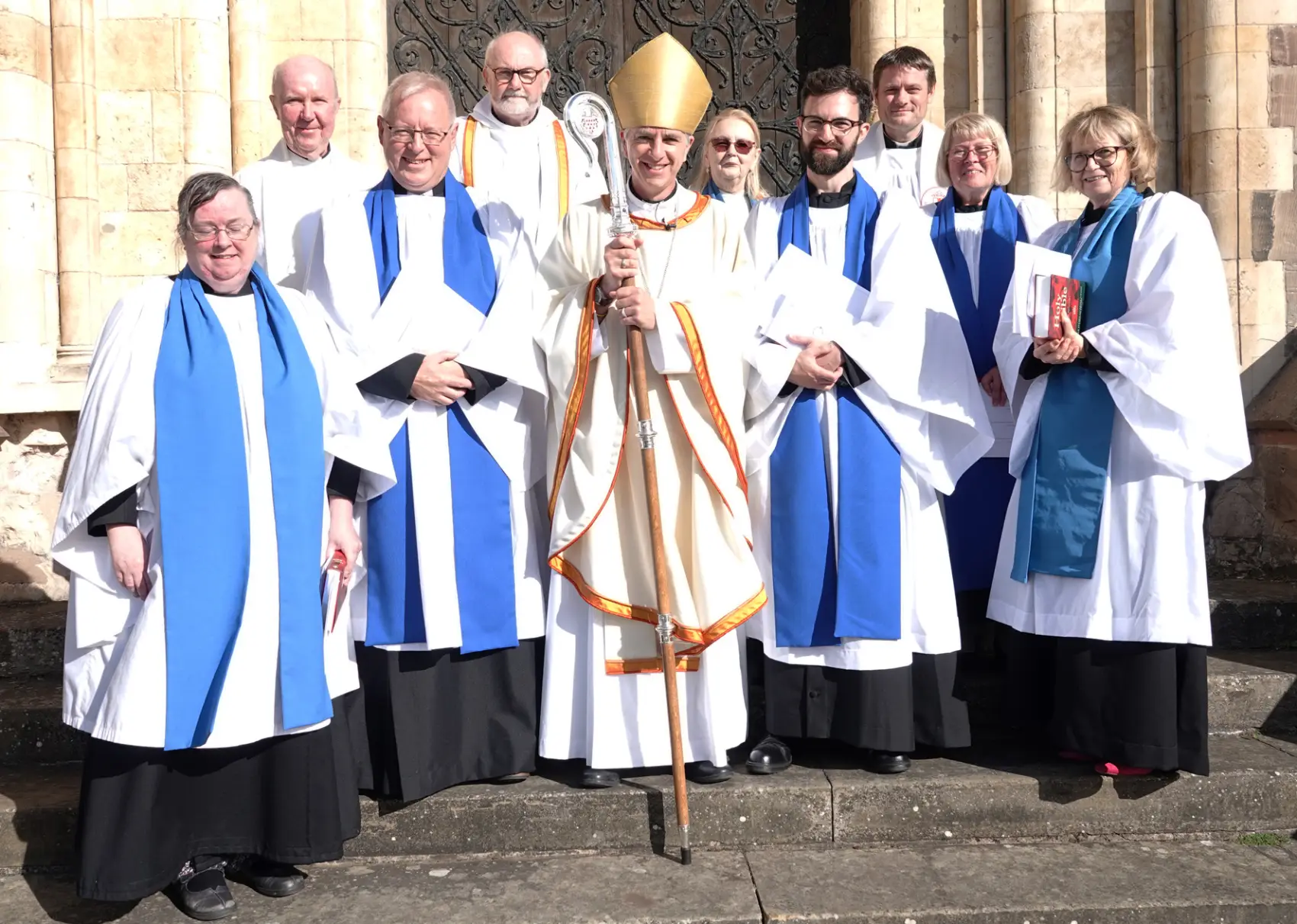
Five people from parishes across the Diocese were admitted to the office of Reader on Saturday in Worcester Cathedral. The…
Come along to one of a series of gatherings taking place this Autumn for an opportunity to meet with Bishop…
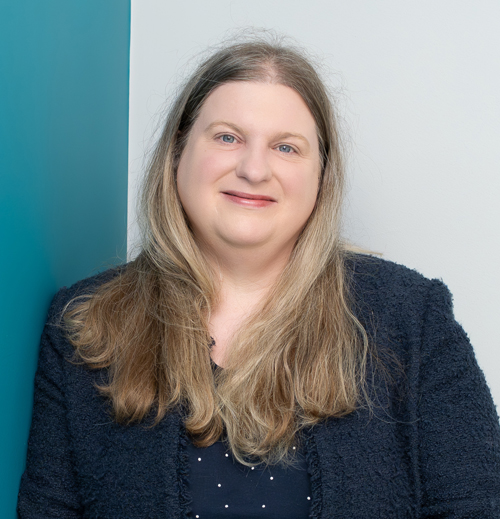
Sarah Tomlinson has been appointed as the new Diocesan Registrar, taking over from Kirsty Duxbury. Sarah has worked as a…
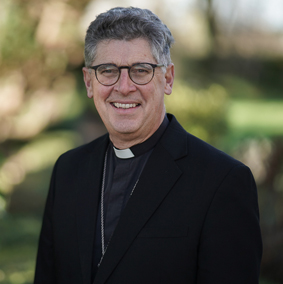
An article from Bishop Martin for October's parish magazines. As I was writing this article in August, the fields and…
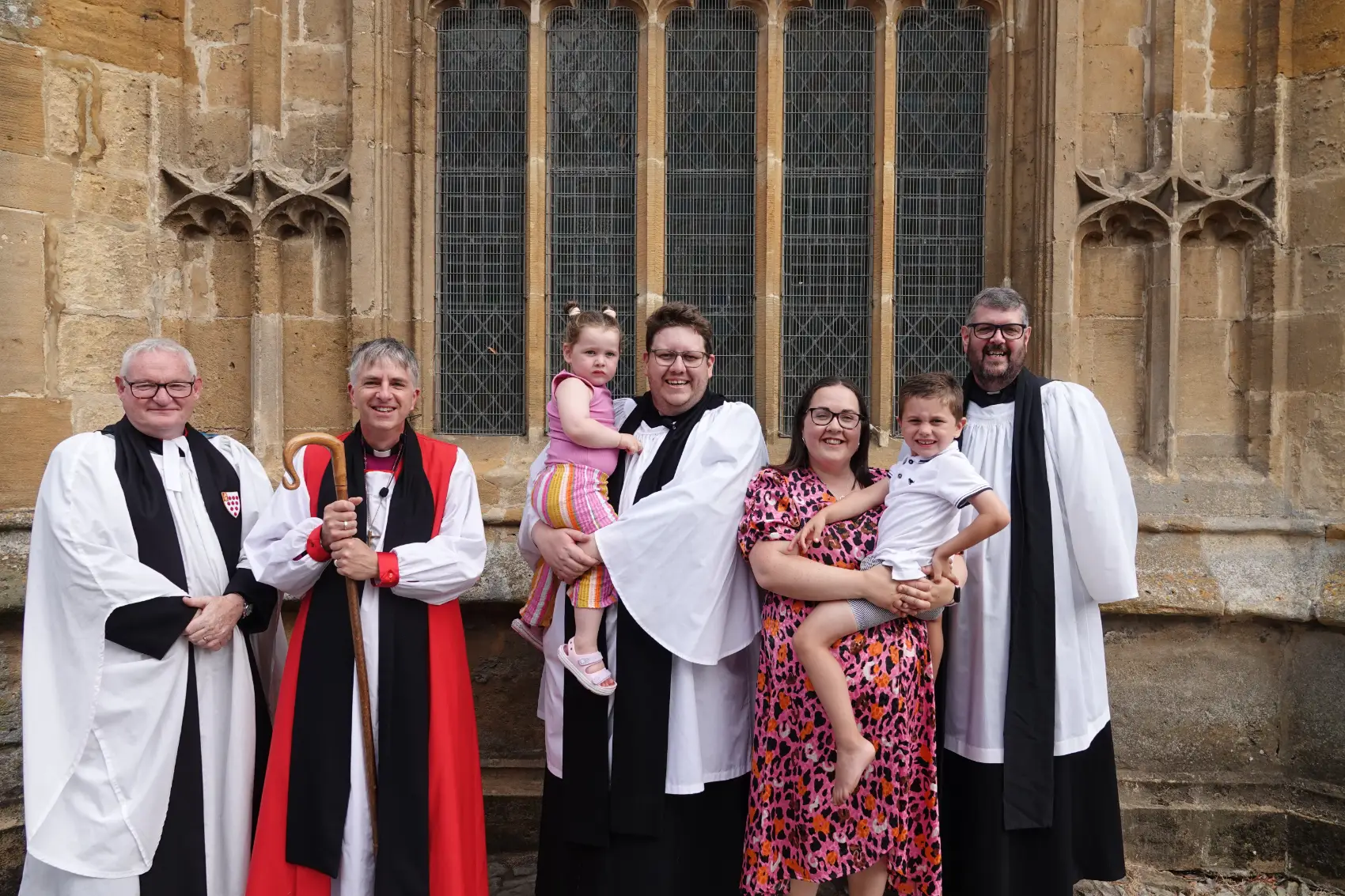
On Saturday 15 August, Mike Edwards was licensed as Curate in Charge (to be Priest in Charge) of All Saints…
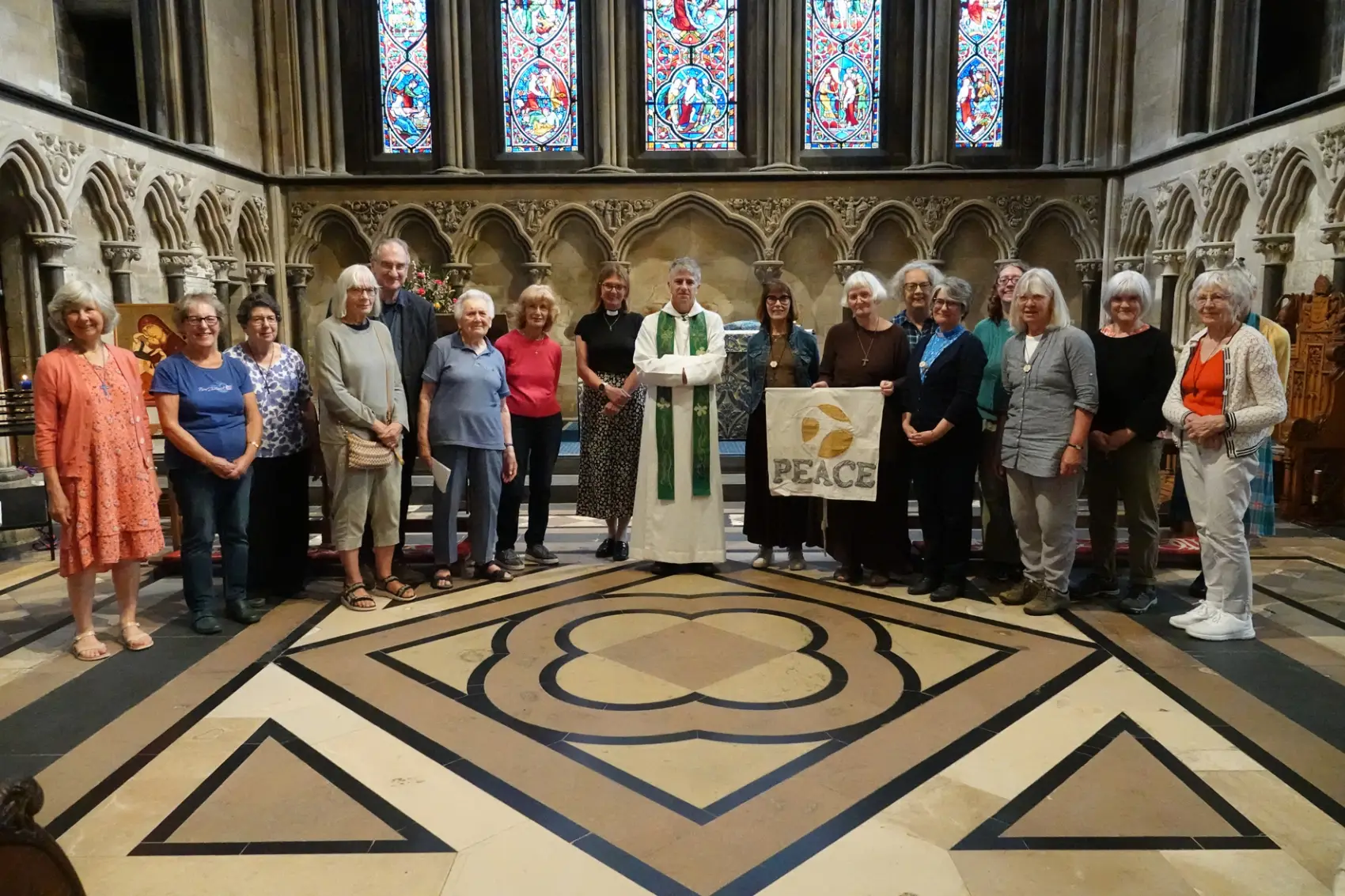
Franciscan pilgrims have been journeying from Almouth to London on a peace pilgrimage to mark the 800th anniversary of the…