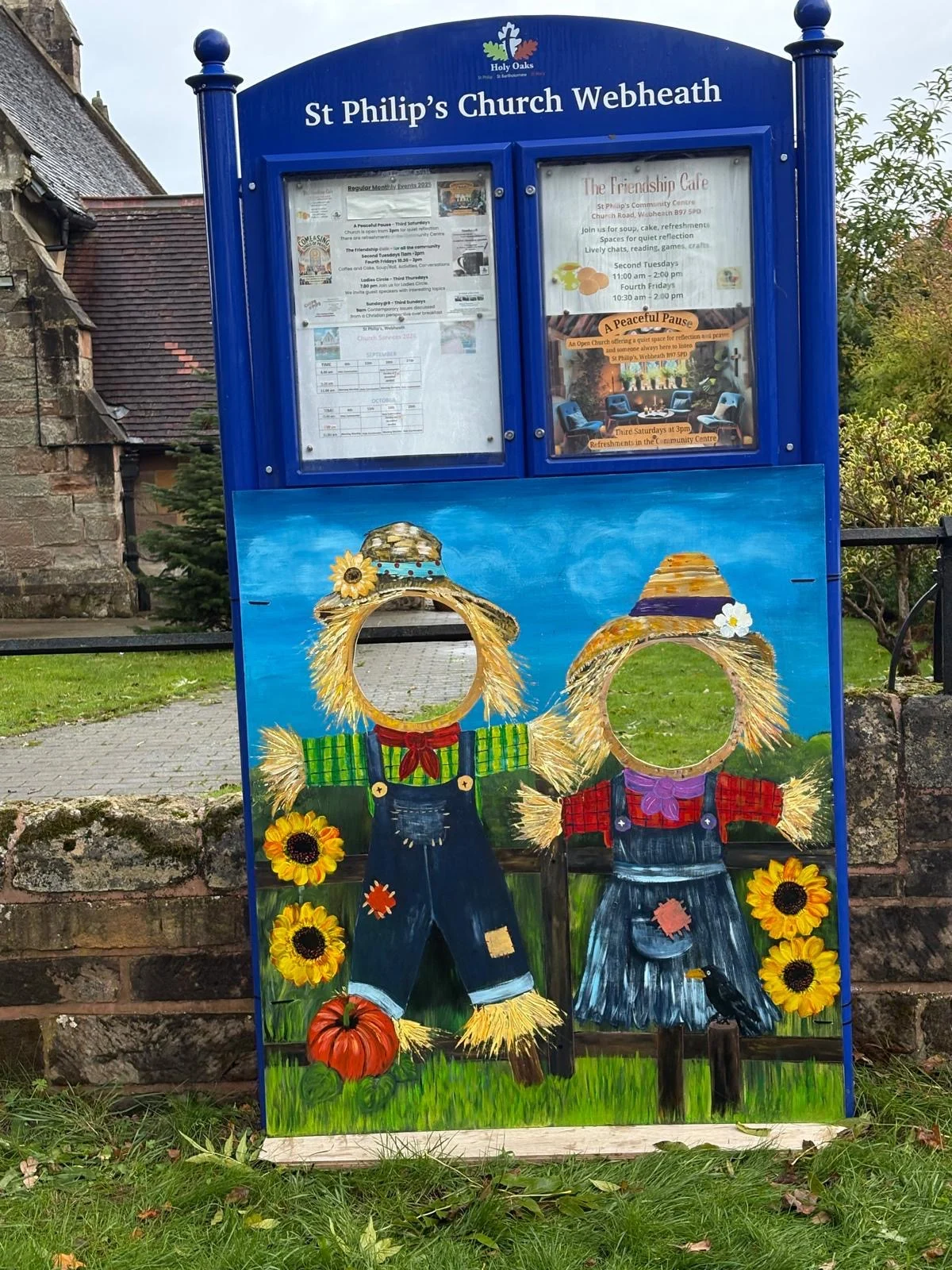
Selfie scarecrows at Webheath church
St Philip's Church in Webheath is taking part in a local Scarecrow Trail, which runs from Saturday 24 to Tuesday 27 October.
We live in tumultuouspolitical times, so much so that many people are literally switching off fromTV and radio news. It does indeed seem that megaphone diplomacy, which, ofcourse, is no…
We live in tumultuouspolitical times, so much so that many people are literally switching off fromTV and radio news. It does indeed seem that megaphone diplomacy, which, ofcourse, is no diplomacy at all, is playing a bigger part in our publicdiscourse. We must not have a false sense that history automatically getsbetter as we learn to live better, when it is clear that human sinfulness canmess things up just as effectively today as it ever did.
So as Christians wemust not be nave about progress, but nor must we despair or give up hopeeither. We have a Gospel to proclaim and it is Good News. Our calling as Churchin every generation is to be a community of hope, and if you look at the worldin which Jesus lived, it was clearly as chaotic and seemingly hopeless as ourstoday. We must be realistic and yet bearers of hope.
What concerns me abouttodays politics is the poverty of our political discourse and conversation.Whatever else populism might or might not be, the language it uses isdesigned for newspaper headlines or media news feeds. It tries to give simpleanswers to complex questions. It feeds peoples sense of unfairness. Itrequires an enemy and puts people down. It does not have any nuances, allow forcompromise or considered thought. Twentieth-century history shows us where itcan lead.
This is simply notgood enough as a way of doing politics, or building a stable world order andcountry, nor indeed of running a church. Whenever we are tempted to caricaturesomeone elses belief and way of living out the faith, we need to checkourselves and remember wise words from the letter of James in the NewTestament: you must understand this, my beloved: let everyone be quick tolisten, slow to speak, slow to anger; for your anger does not produce Godsrighteousness.
Being quick to listen what might that look like in our public life?
Archdeacon Robert Jones
St Philip's Church in Webheath is taking part in a local Scarecrow Trail, which runs from Saturday 24 to Tuesday 27 October.

October is Black History month. This is being marked by two of our churches in completely different ways. Read about what Bewdley and Kidderminster East have been doing.
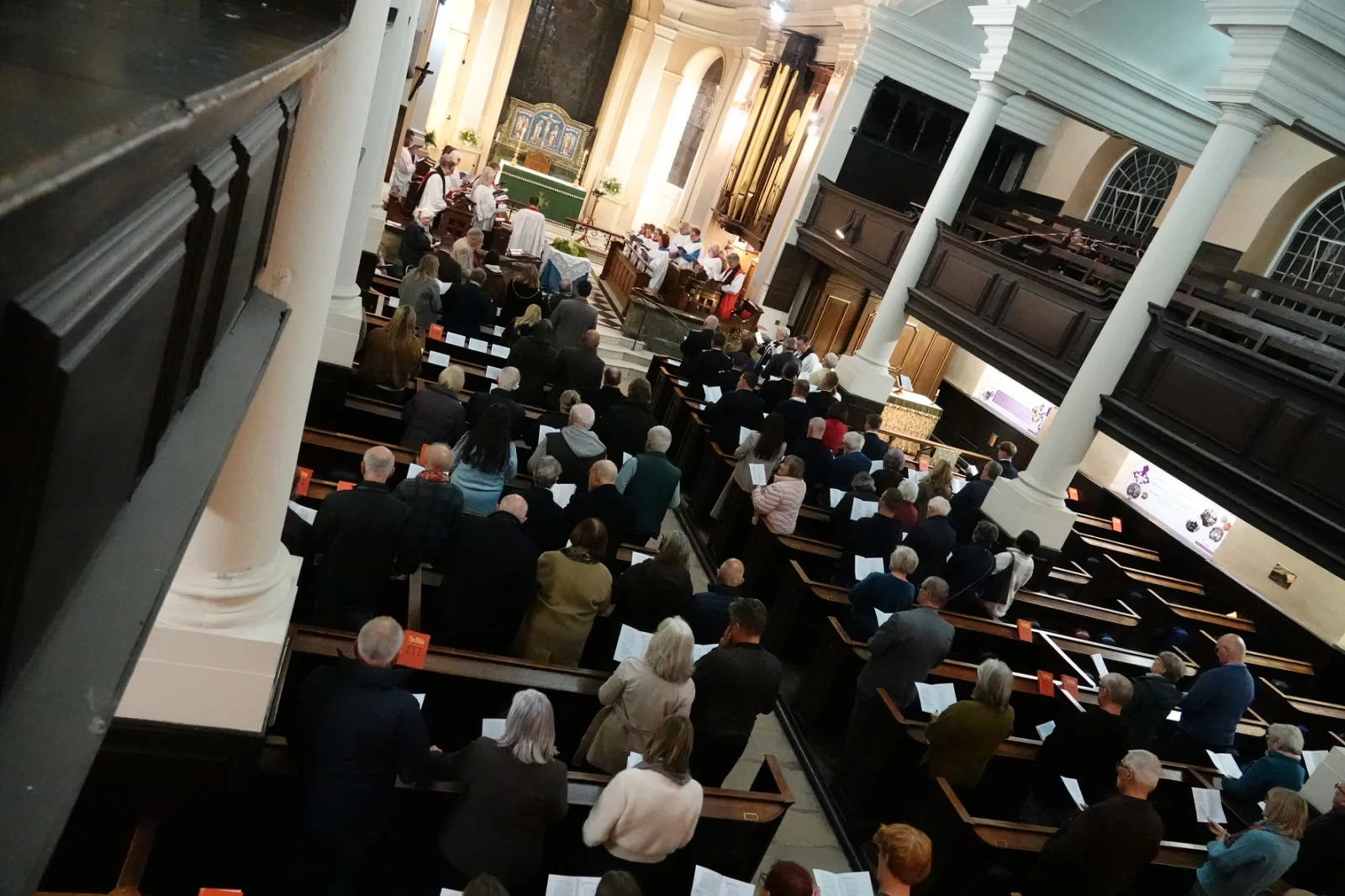
The community of Stourbridge gathered at St Thomas’ Church for a service of reflection and thanksgiving following the Stourbridge wildfires.…
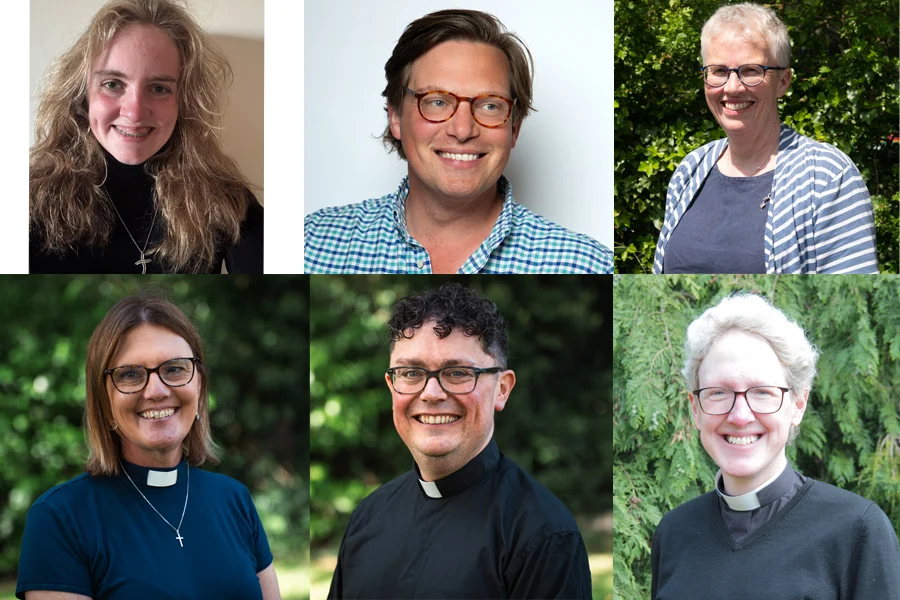
Following the electronic count on 14 October, six people have been elected to stand for General Synod from across the…
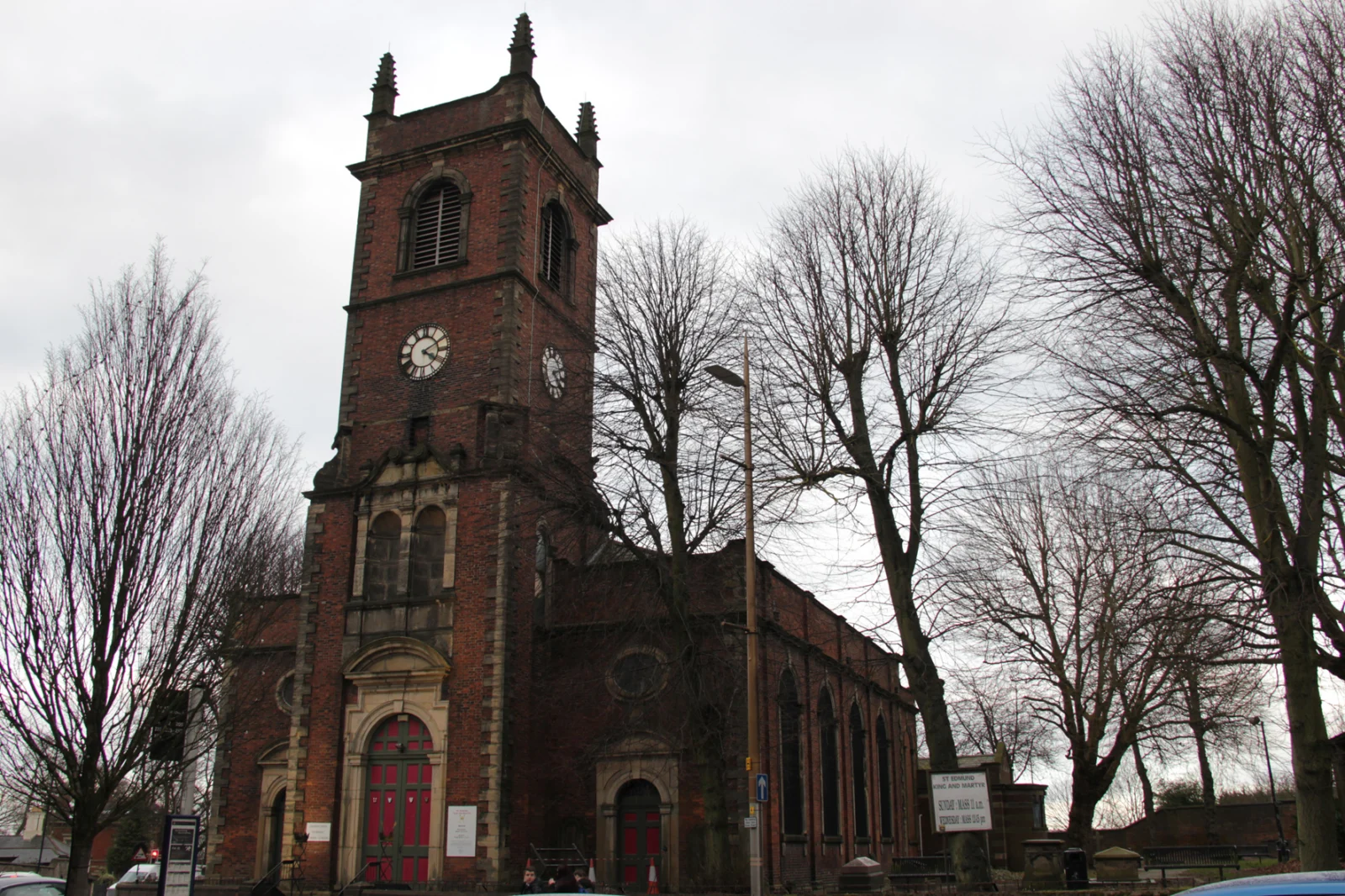
St Edmund’s Church in Dudley (also known as Bottom Church) has been awarded £587,320 in the first round of the…
Bishop Hugh has announced the appointment of the Revd Jason Clarke MBE as Priest in Charge (Team Rector designate) of…
Readings: 2 Timothy 4.5-17 Luke 10.1-9 Sermon: If you spend any time with Luke’s Gospel, you start to notice something:…
Following the positive impact of the previous funding made available under the Minor Repairs and Improvements Grant Fund and the Net…
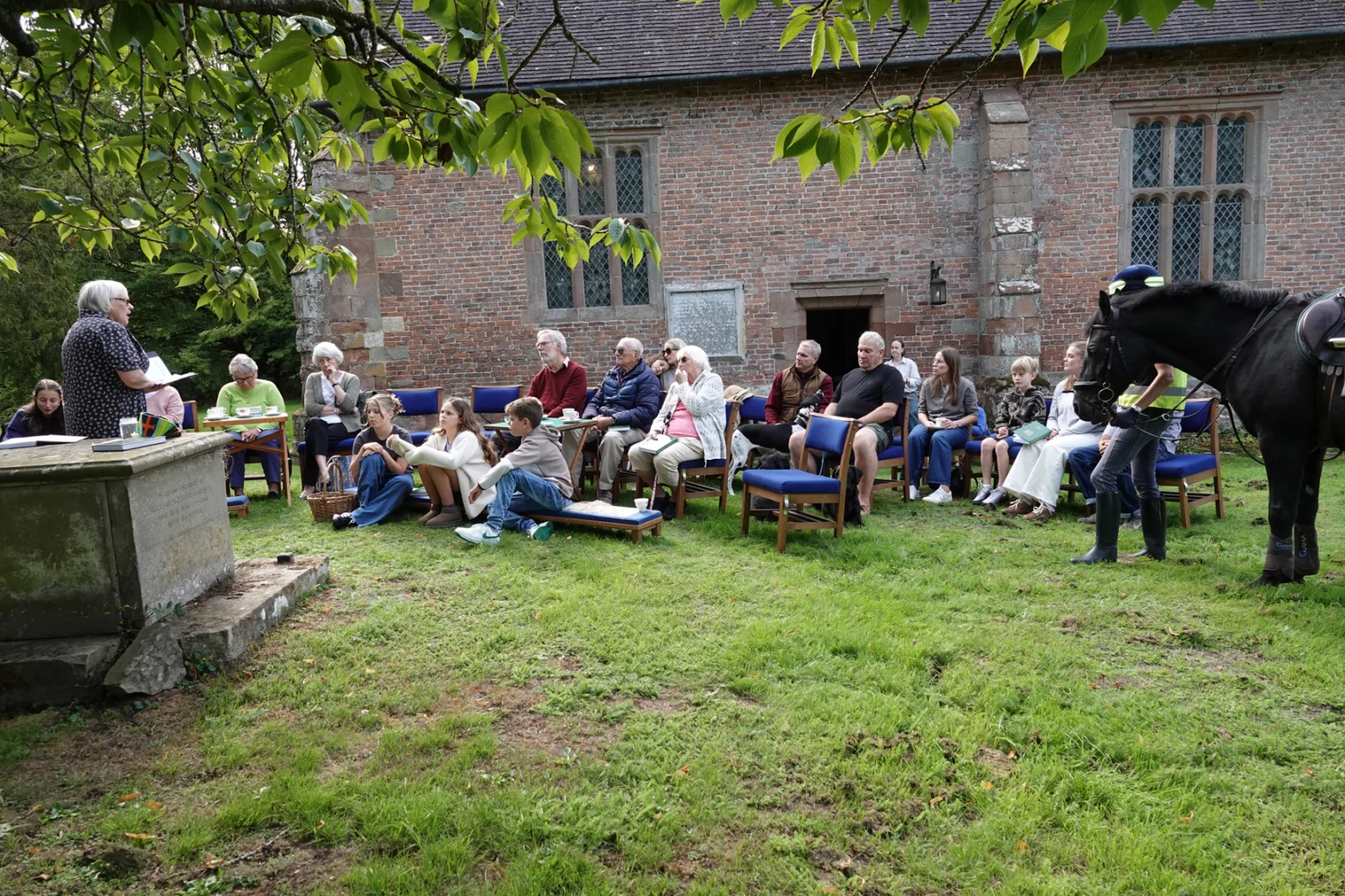
Stir Up Church is a New Worshipping Community which takes place at St Mary’s Church in Hanley Castle on the…
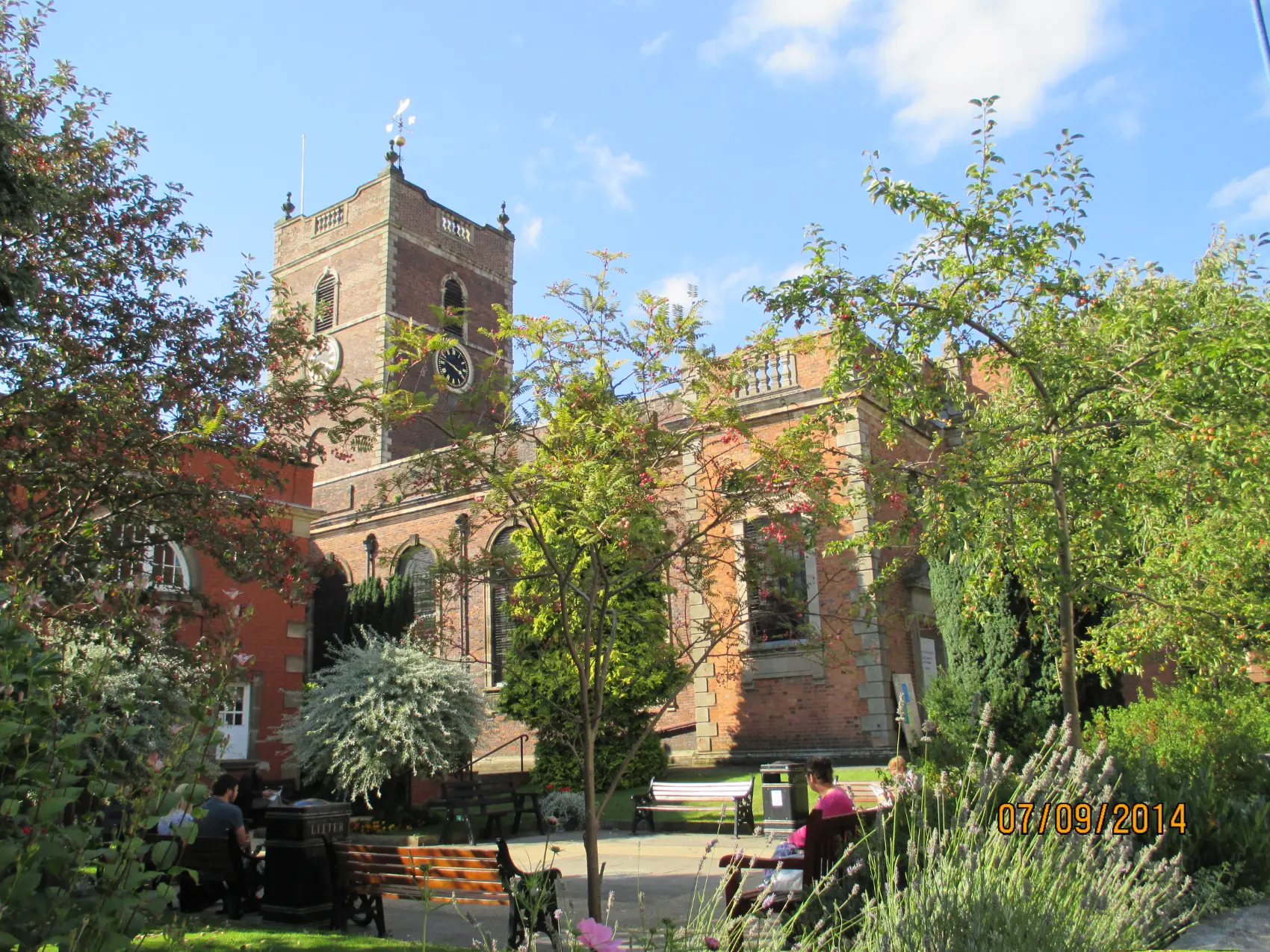
Bishop Martin will host a special service at St Thomas’ Church in Stourbridge on Sunday 18 October following the devastating…