New clergy and lay members are being elected to General Synod this year – and you are invited to stand as a candidate. General Synod is the national assembly of…
New clergy and lay members are being elected to General Synod this year – and you are invited to stand as a candidate.
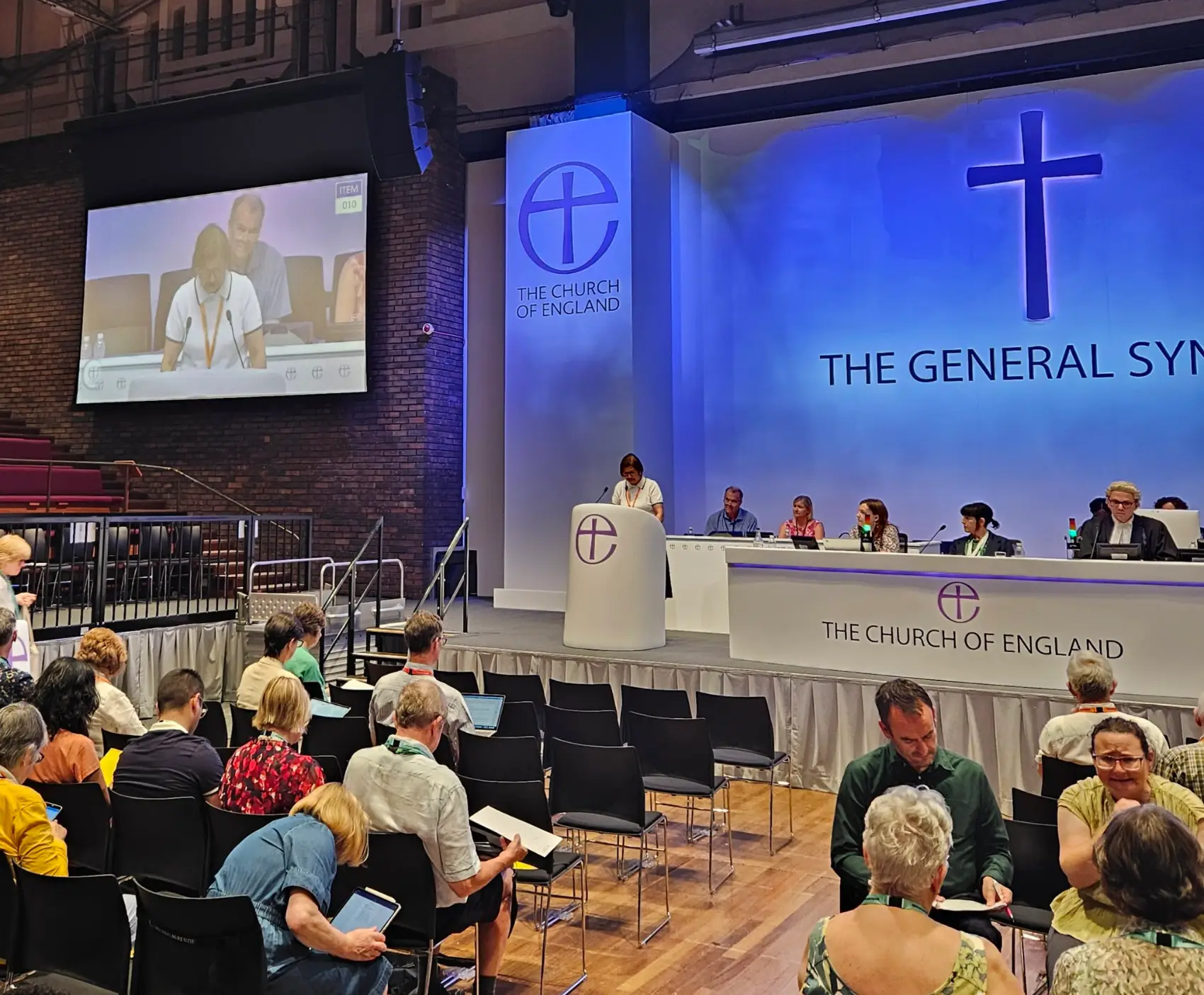
General Synod is the national assembly of the Church of England. It shapes and approves laws that affect the whole of the Church of England. It agrees new forms of worship, debates matters of national and international importance, and approves the annual budget for the work of the Church at national level.
This Autumn, elections are happening for new General Synod members. Those elected will serve for five years. Members are a mixture of bishops, clergy and lay people.
Almost anyone who attends church regularly is likely to be eligible to stand as a lay member. You don’t need to be a member of a PCC, Deanery Synod or Diocesan Synod.
We are looking for candidates who represent the whole range of people and churches in the Church of England. We particularly welcome candidates whose background may currently be underrepresented.
There is a supportive induction programme to help new members in their roles.
Why stand?
An opportunity to represent the concerns of your community and your diocese at a national level.
Have a say in national legislation that affects all parts of the Church of England.
Raise issues and contribute to debates on social and policy matters.
It can be enormously rewarding.
Meet other Anglicans from across the country and the world.
What does a General Synod member do?
Members speak in debates, propose and vote on motions, serve on committees and review legislation.
Do I need special skills?
You will need to be able to show you are someone who listens with an open mind, who is able to reflect prayerfully on issues, and who is able to confidently contribute to discussions.
We are looking for candidates who represent the whole range of people and churches in the Church of England.
You don’t need any previous experience in making speeches. You don’t need to be a member of a PCC, Deanery Synod or Diocesan Synod.
It doesn’t matter if you don’t know everything about how the Church operates or how General Synod works – people will help you with this if you do get elected. There is a supportive induction programme.
What is the commitment?
If elected, you would be expected to attend each meeting of Synod for the next five years. It is possible to attend all General Synod meetings either in person or online.
Each meeting lasts five days and there are usually two meetings per year, one in London and one in York. In your first year, you would also attend an additional three-day meeting in London.
Do I get paid for this?
The role is voluntary and unpaid. Members’ travel and accommodation expenses are covered.
I’m interested, what’s the next steps?
If you would like to stand as a lay member, use the eligibility checker at cofe.io/StandForSynod as a guide, and then contact Judith Nex in the diocesan office for more information and to confirm your eligibility. You can also contact our Diocesan Secretary, Andy Todd who has previously served on General Synod and is happy to chat about what it might involve.
If you don’t wish to stand but know someone who you think should consider standing, please pass this information on to them.
Nominations: If you are standing as a lay member, you will then need two people who are members of a Deanery Synod to nominate you. If you are clergy, you will need two other clergy to nominate you. Your diocese will have a nominations form that you need to fill out and that will need to be signed by the people who are nominating you. Nominations open on 14 August and close on 7 September.
Statements and hustings: You will need to write an election statement and may be asked to record a video or give a short talk at a ‘hustings’ event. Statements and hustings are an opportunity to talk about why you want to be elected and what you could bring to the role.
Voting: The lay Deanery Synod members in your diocese vote for lay candidates, and the clergy in your diocese vote for clergy candidates. The voting period is 21 September to 13 October.
Results: If elected, you would come to General Synod for the first time at its meeting in London this November.
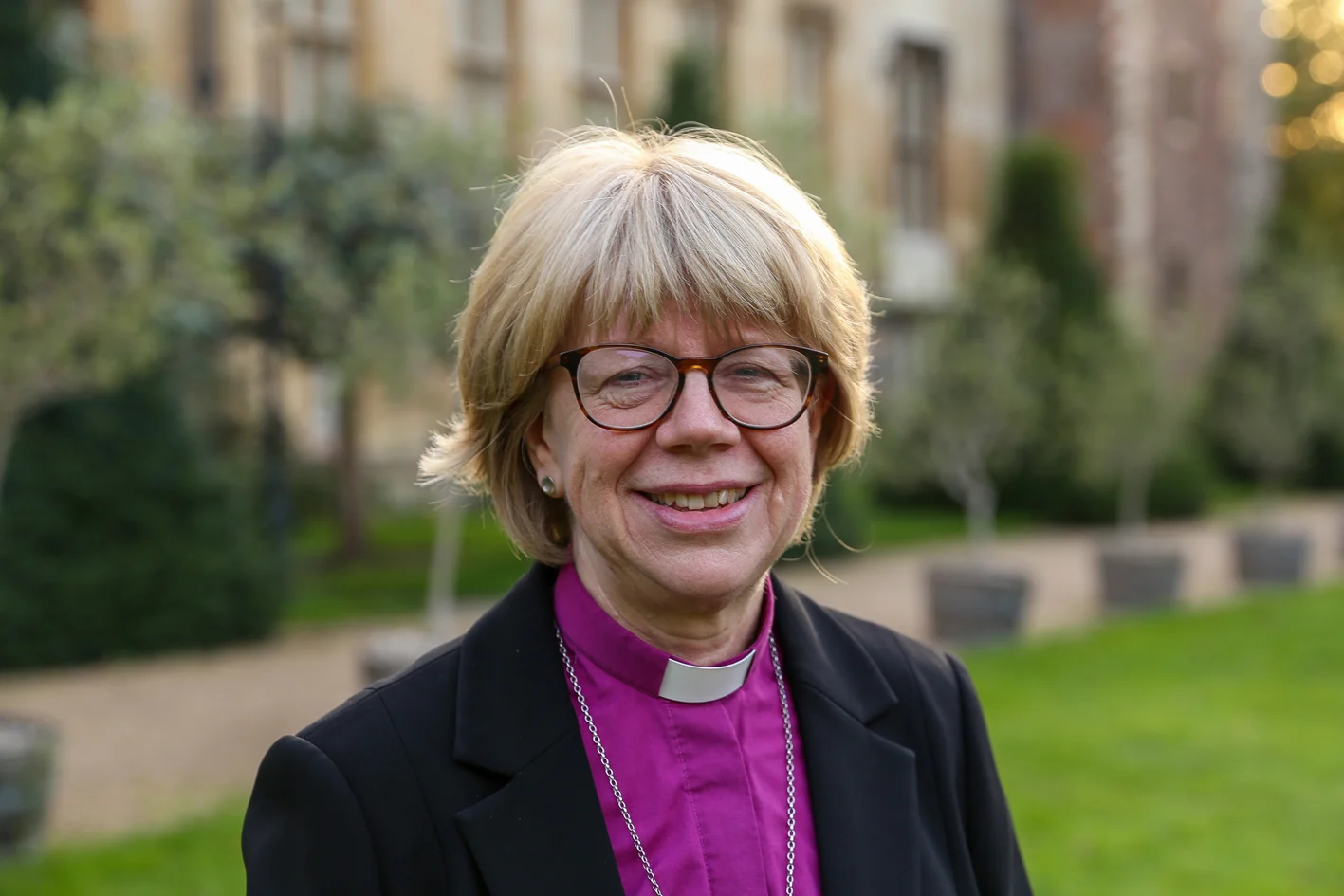
The Archbishop of Canterbury, Sarah Mullally will visit the Diocese over the weekend of 6 and 7 February. She will spend two days in the Diocese visiting churches and meeting with a range of people; hearing some of our stories and offering encouragement.
At the recent Clergy Conference, the diocesan stewardship team launched a Boomerang offering, to help activate generosity across the Diocese. Each person was given a £5 note to take home, pray with and see what act of generosity God was calling them towards. We also asked them to share their stories of how the money was used.
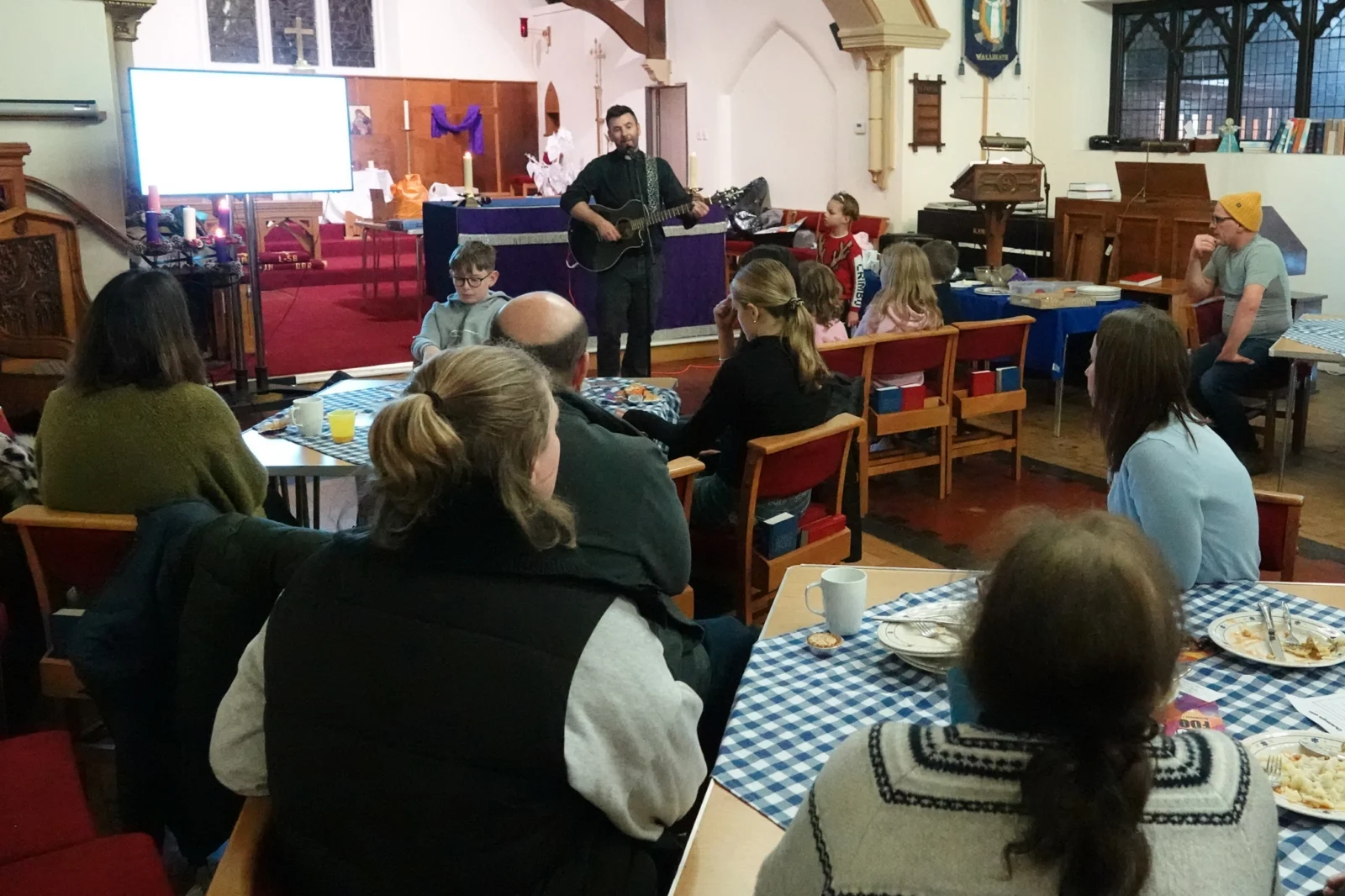
Many of our churches hosted ‘light parties’ at the end of October as a popular alternative to Halloween. Some of our renewal churches hosted the biggest celebrations.
Our diocese has been awarded £3.6 million to continue to support churches as part of phase two of our programme to ensure our churches are healthy and sustainable for the future.
Kelly Gordon is a member of Wordsley Parish in Greater Dudley Deanery. She has recently been selected as one of only three people in the UK to be part of the Leaders Europe programme within the Obama Foundation.
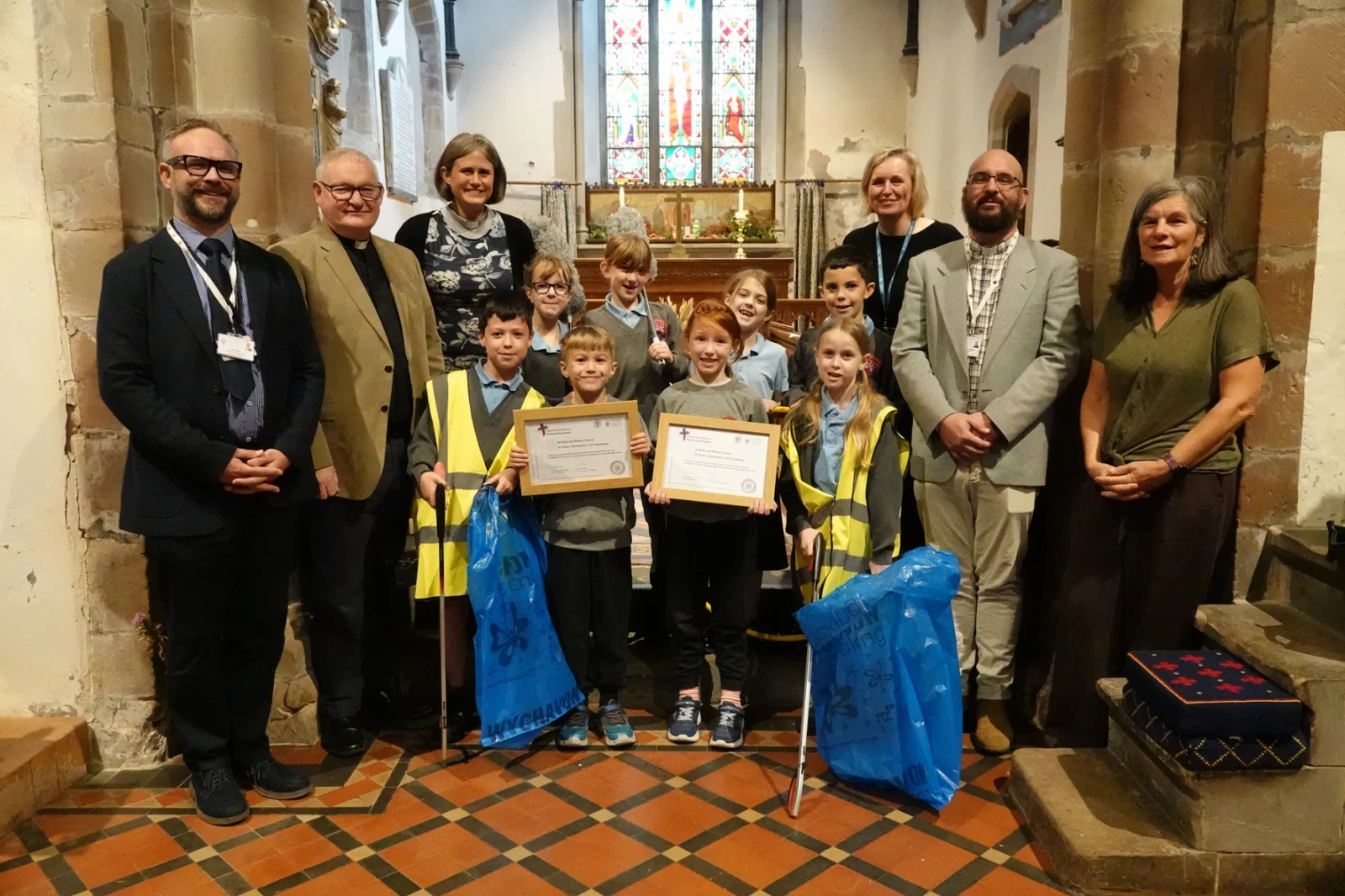
St Peter’s CE Academy and St Peter’s Church in the Saltway Team have been awarded a silver Church and School Partnership Award recognising the close relationship between the church, school and local community.
This year’s Church of England Advent and Christmas theme focuses on the first and greatest Christmas gift of all: the gift of God being born as one of us in Jesus Christ.
A new singing group for children will launch at St Peter’s Centre at Pedmore Church on 15 November, 10 years after Singing Angels originally began at St Andrew’s Church on the Straits.
Manage Consent
To provide the best experiences, we use technologies like cookies to store and/or access device information. Consenting to these technologies will allow us to process data such as browsing behavior or unique IDs on this site. Not consenting or withdrawing consent, may adversely affect certain features and functions.
Functional
Always active
The technical storage or access is strictly necessary for the legitimate purpose of enabling the use of a specific service explicitly requested by the subscriber or user, or for the sole purpose of carrying out the transmission of a communication over an electronic communications network.
Preferences
The technical storage or access is necessary for the legitimate purpose of storing preferences that are not requested by the subscriber or user.
Statistics
The technical storage or access that is used exclusively for statistical purposes.The technical storage or access that is used exclusively for anonymous statistical purposes. Without a subpoena, voluntary compliance on the part of your Internet Service Provider, or additional records from a third party, information stored or retrieved for this purpose alone cannot usually be used to identify you.
Marketing
The technical storage or access is required to create user profiles to send advertising, or to track the user on a website or across several websites for similar marketing purposes.