Celebrating 150 years of the Mothers’ Union
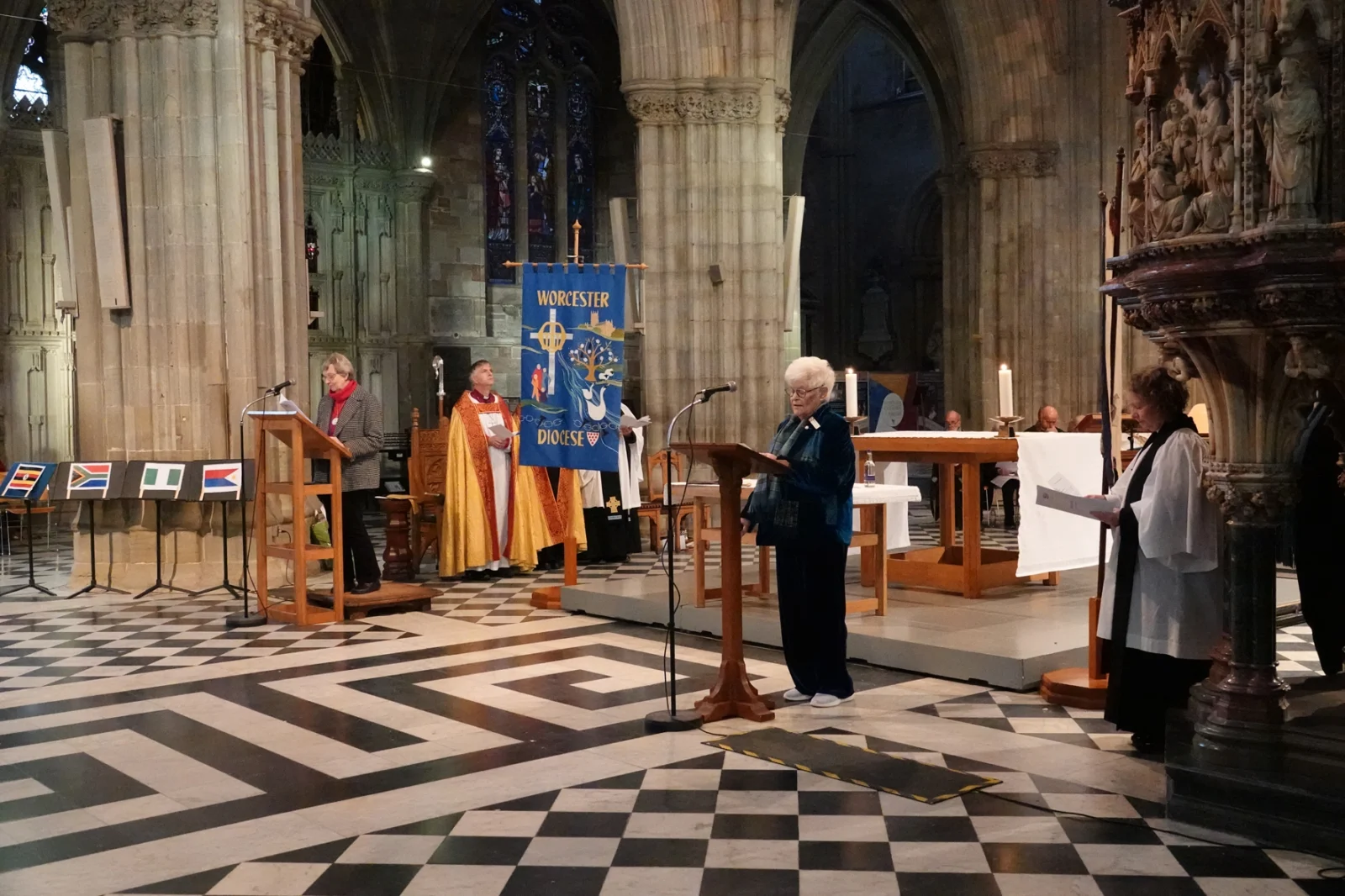
Members of the Mothers' Union from across the Diocese gathered at the Cathedral on Tuesday to celebrate 150 years of…
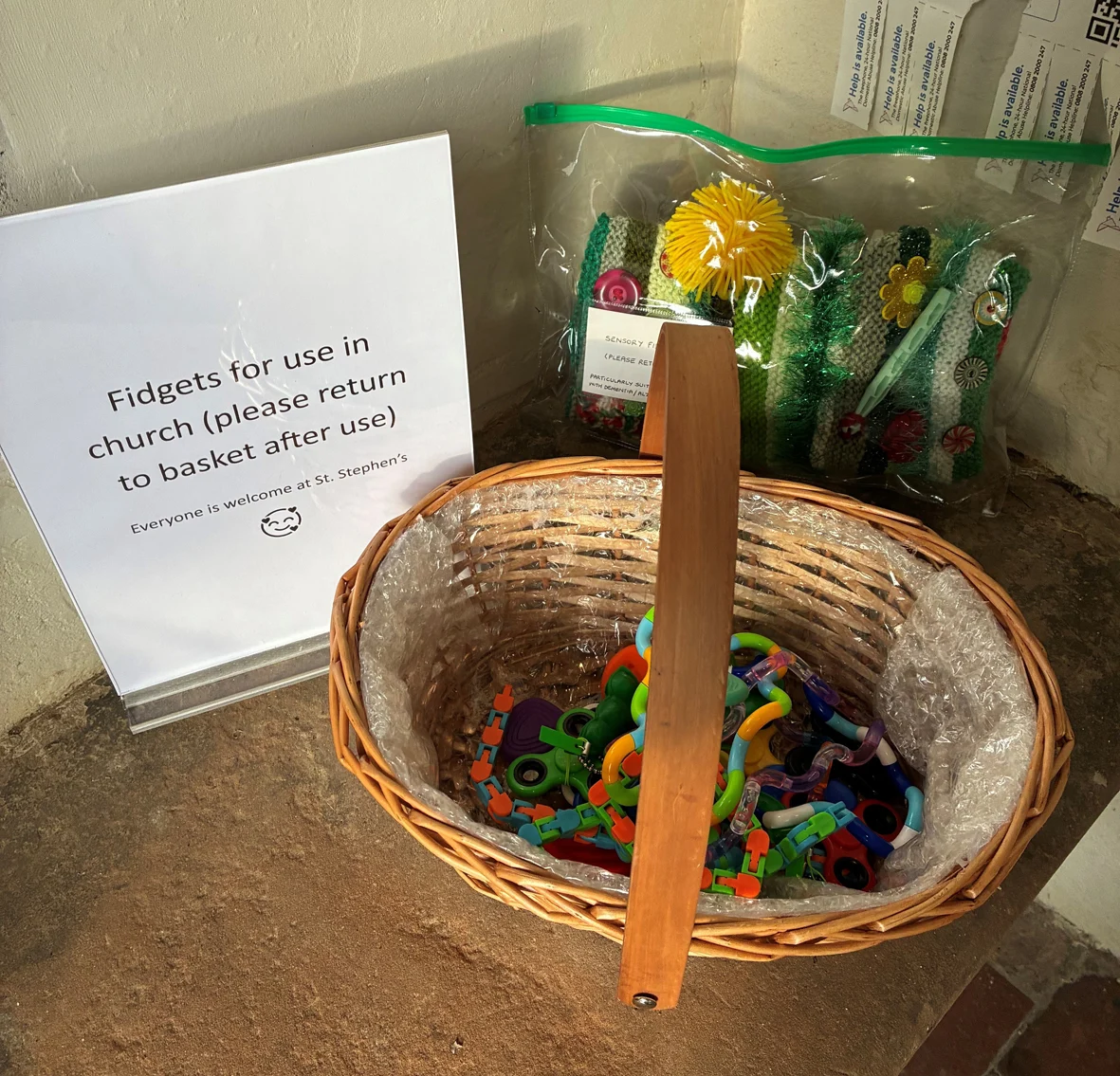
St Stephen’s Church in Worcester recently purchased fidget aids to lend out to anyone that needs them while in church. At their accessible monthly ‘Connect’ service, Catherine Redford who worships at St Stephen’s and is autistic, gave a talk to explain the purpose of the fidget aids and how they can help those that need them.
Catherine said:
“As someone who first came to the church as an adult – without a Christian background – I’m very interested in how we can make our churches more open, inviting, and accessible to everyone. It can be quite intimidating to come into a church for the first time anyway, but if you’re also autistic, have ADHD or anxiety, it can feel even harder to take that first step. I read an article online about some churches that had introduced fidget aids as a way to be more inclusive, and I thought that it sounded like a simple idea that could make a big difference.”
Catherine has attended the main Sunday morning service at St Stephen’s for just over two years with her little boy, Isaac. They made the transition to this service from ‘Little Stars’, St Stephen’s stay-n-play for families with pre-school children which is also held in the church.
The parish has been able to purchase the fidget aids out of their standard budget as they usually only cost £3-£8 each, less if bought in bulk. Catherine advised them on what to buy, based on her own experiences, and has since donated a few more.
She said:
“I quite often use sensory fidget aids myself – I like to have a worry stone in my pocket, for example – so I’m aware of how useful they can be to help with issues such as anxiety.”
“Being autistic myself I found it very intimidating when I started coming to church; I used to get anxious because I didn’t know what was going to happen in the service (there’s a lot of standing up and sitting down, and repeating of lines, that the other members of the congregation seemed to find very instinctive!).”
“I was worried that I didn’t fit in, but I strongly believe that church has a lot to offer to people who have always felt on the margins or that they don’t belong.”
Catherine passionately feels that neurodivergent people who often face great challenges in society and may feel that they are ‘too different’ are actually among those who will find most comfort in God’s message of peace, shelter and Hope.
“Encountering Christianity and discovering a God who loves me exactly as I am, has been lifechanging for me, and I find it so sad that people might be staying away from church either because they’re embarrassed by who they are or because of the challenges that they face with accessing, and participating in, services. These are some of the people who need God the most, and I passionately believe we should do everything we can to welcome them and to make life easier for them in church.”
Catherine has put together a selection of different types of fidget aid, so that there’s something for everyone, and she explained how these help people with different Neurodivergent diagnoses: “We have some lovely soothing sensory aids, like small textured stones (often known as ‘worry stones’) and little plastic pea pods that you can ease peas out of in a methodical way. These might be useful for those with autism or general anxiety, providing regulation and calming sensory input to help with overwhelm. We also have motion fidgets that can keep your hands moving, such as tangle fidgets, snap and click fidgets, and fidget spinners; these can aid focus for those with ADHD, for example.”
Catherine had positive feedback from the congregation after sharing this information during her talk in church. Quite a few people have told her they think they’re a good idea, and others said they appreciated the opportunity to learn more about neurodiversity.
Following this positive response, Catherine has been inspired to look into how to make church even more accessible, purchasing ‘fiddle muffs’, which are great for people with Alzheimer’s and dementia, and ordering coloured overlays that can be used by those with dyslexia to make it easier to read the hymn books and orders of service.
They have also decided to leave the fidget aids permanently in a basket in the porch, so they are available to all entering church.
Catherine added:
“I hope it sends the message that we’re an inclusive church and it doesn’t matter if you need to do something with your hands in order to concentrate, wear ear-defenders during the hymns, or move out of the service to take a breather -there’s a place for you in God’s family. You do belong here.”
Members of the Mothers' Union from across the Diocese gathered at the Cathedral on Tuesday to celebrate 150 years of…
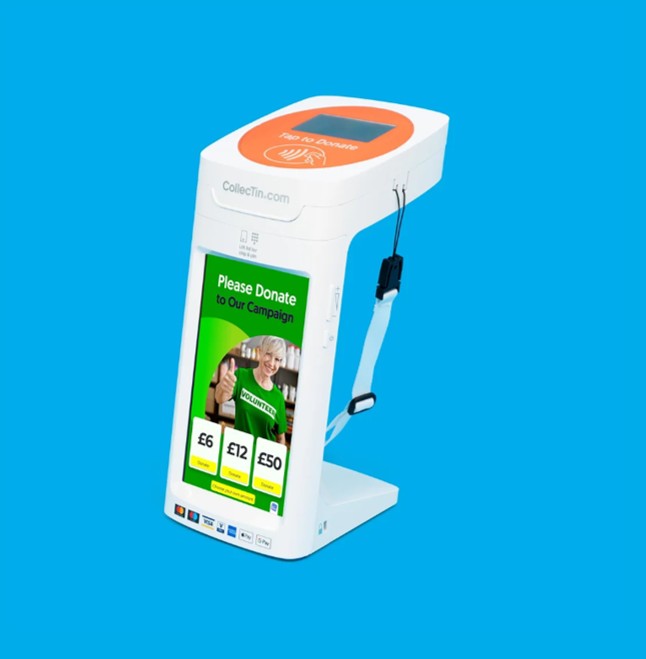
50 of our rural churches will have the opportunity to apply for a CollecTin contactless giving device for just £40 thanks to a grant from the Healthier Churches Fund.
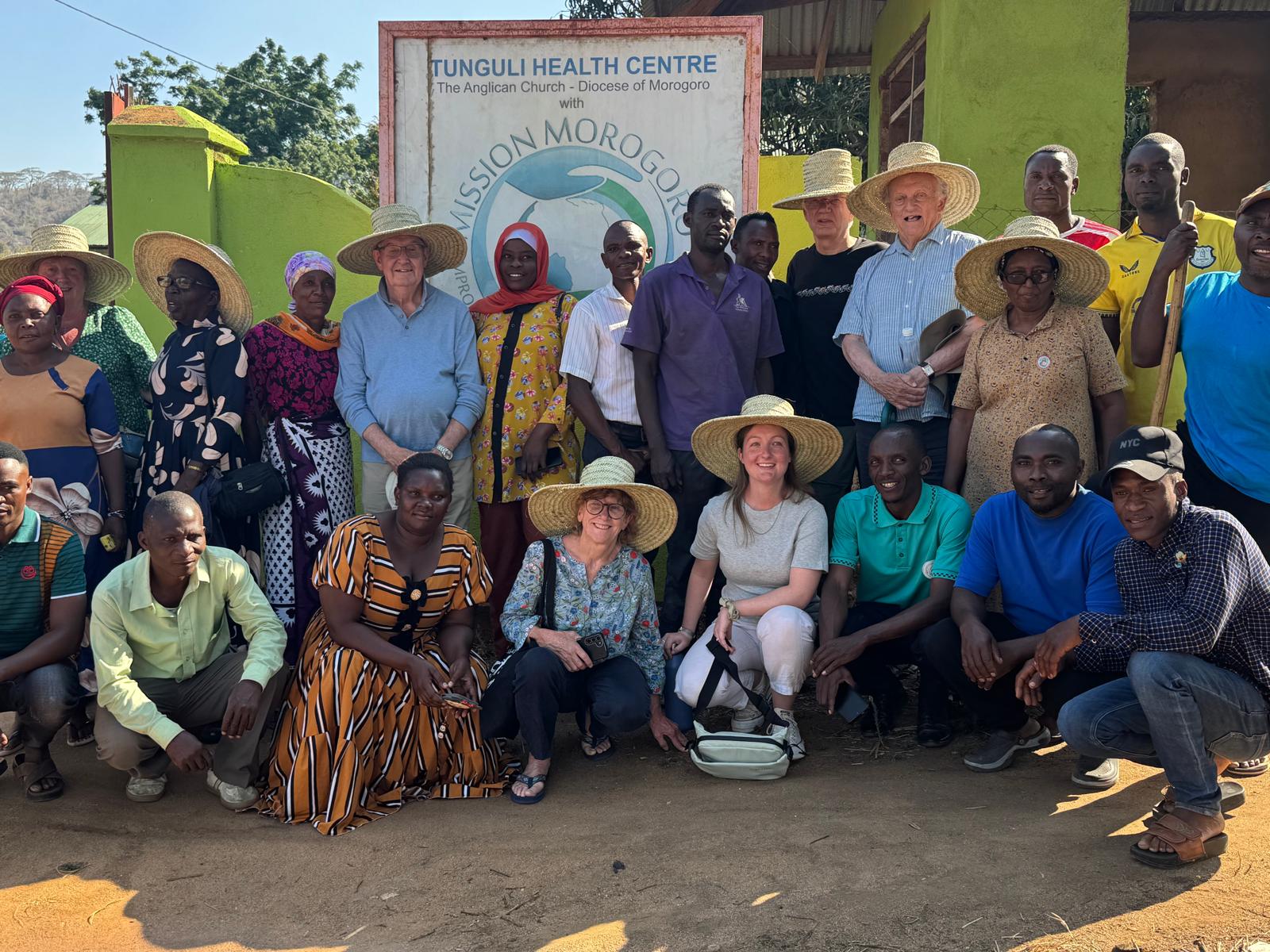
A report on Mission Morogoro's recent visit to the Tunguli area of the Morogoro Diocese. The charity, Mission Morogoro, came out of the friendship agreement signed between the Diocese of Worcester and the Diocese of Morogoro in Tanzania in 2011 and was born out of our first visit there in 2012.

Earlier this year, St Margaret’s Church in Hasbury became only the second church in our diocese to achieve a Gold Eco Church Award. They have managed to get to gold in just three years from starting out on their eco journey.
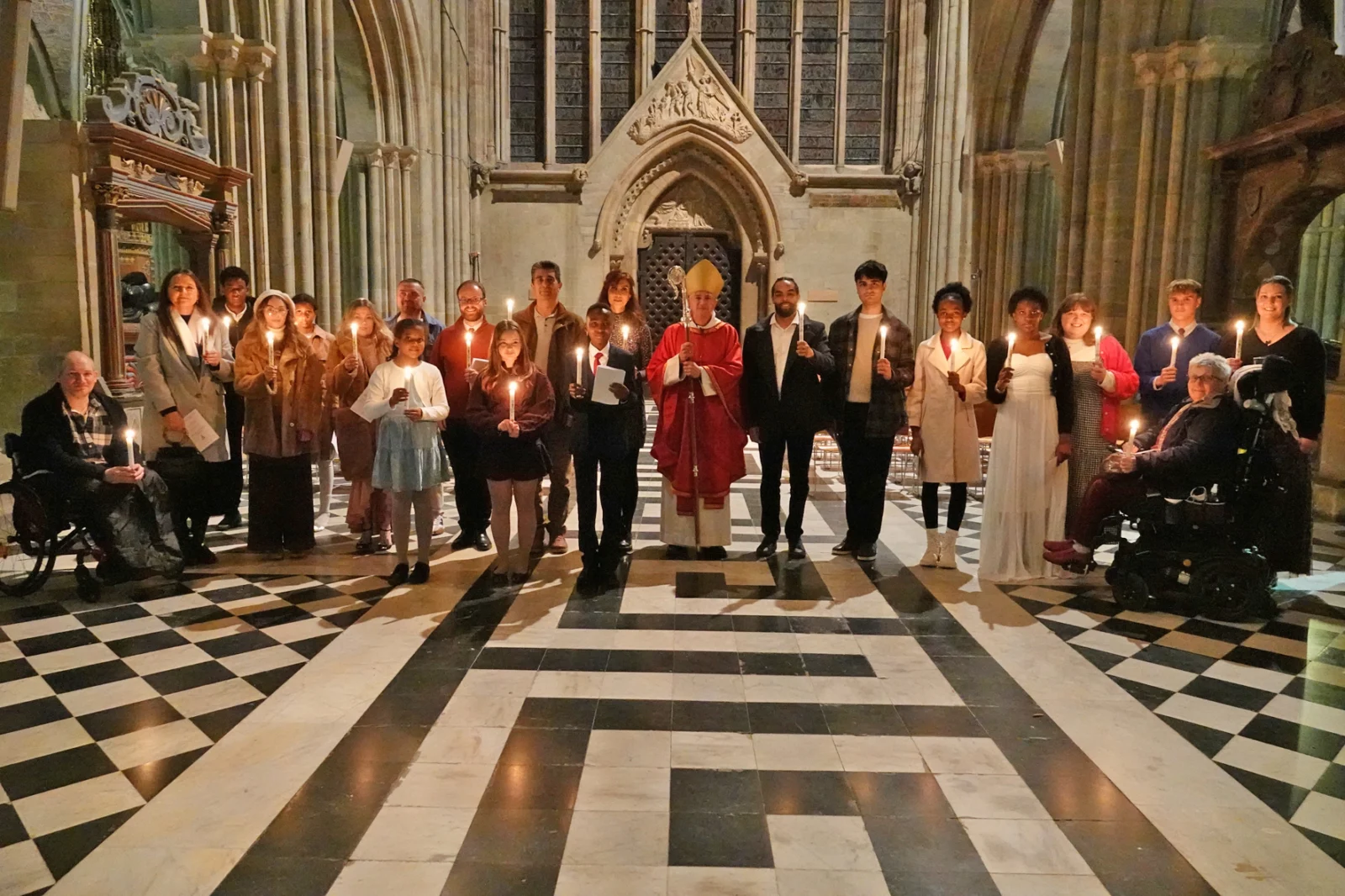
19 people were confirmed by Bishop Hugh in a special service at the Cathedral on the Feast of Christ the King. Three of those were also baptised with one person being baptised but not confirmed.
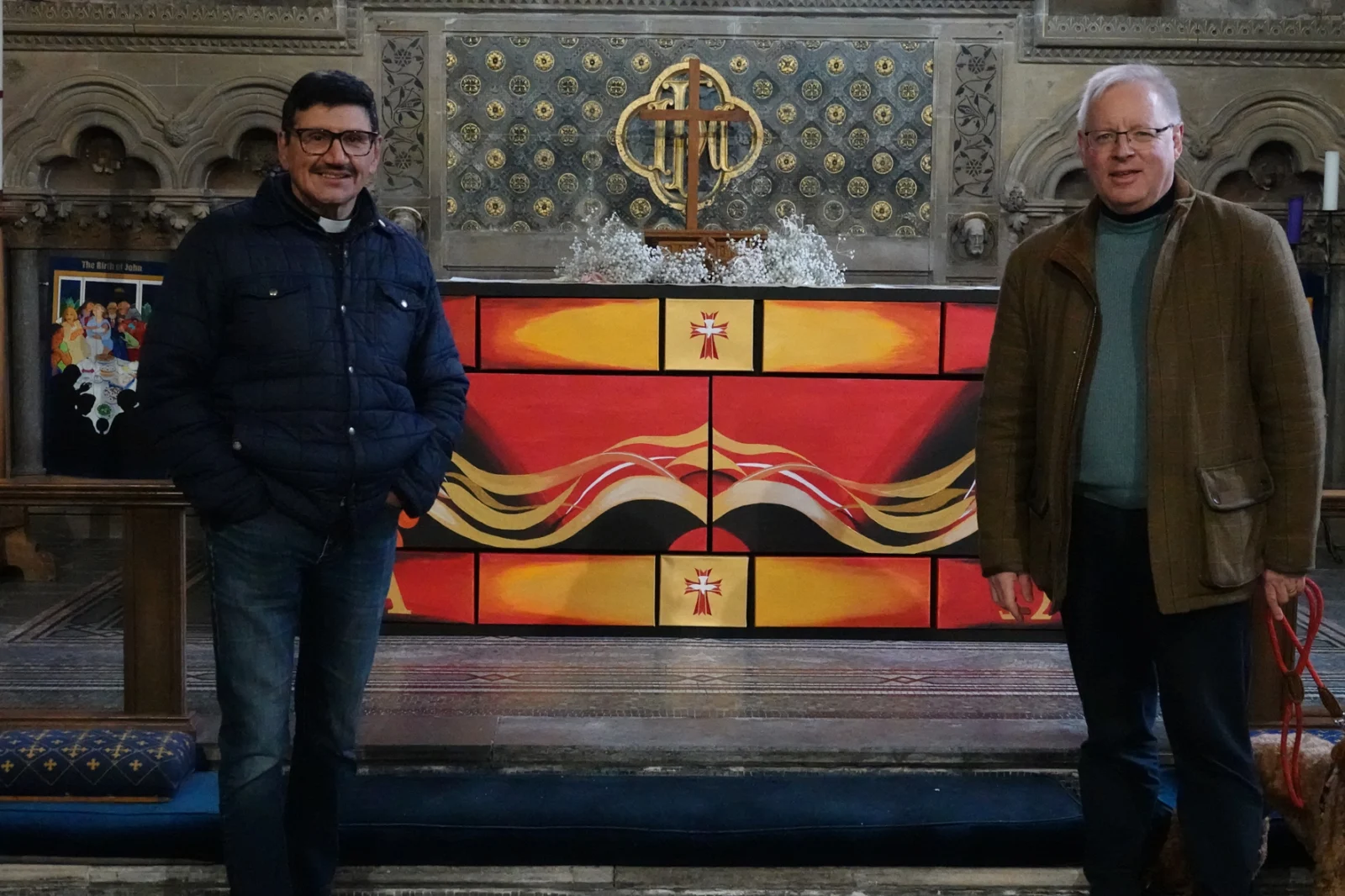
St John’s Church in Bromsgrove has worked with local schools and their own congregation to design a set of striking new altar frontals for their high altar.
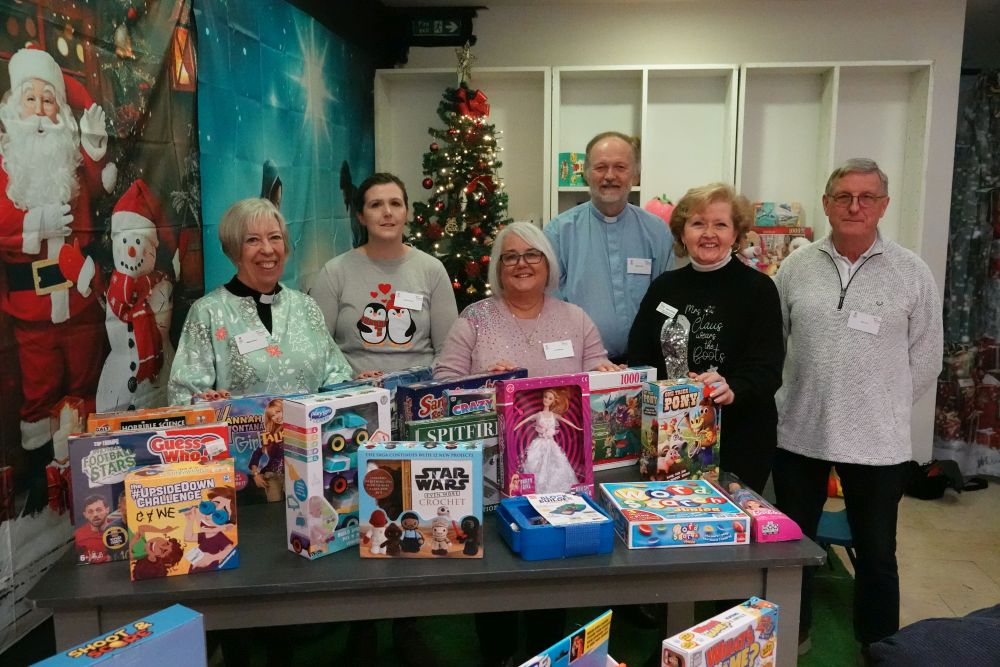
Congratulations to the Redditch Mission Area, whose Make Christmas Special Toy Appeal has been awarded the King’s Award for Voluntary Service in recognition of their community engagement.

If you haven't yet organised a Lent course for 2027, why not consider the Living Gently on the Earth resources which have been developed by members of both the Cathedral and the diocesan Climate Crisis group.
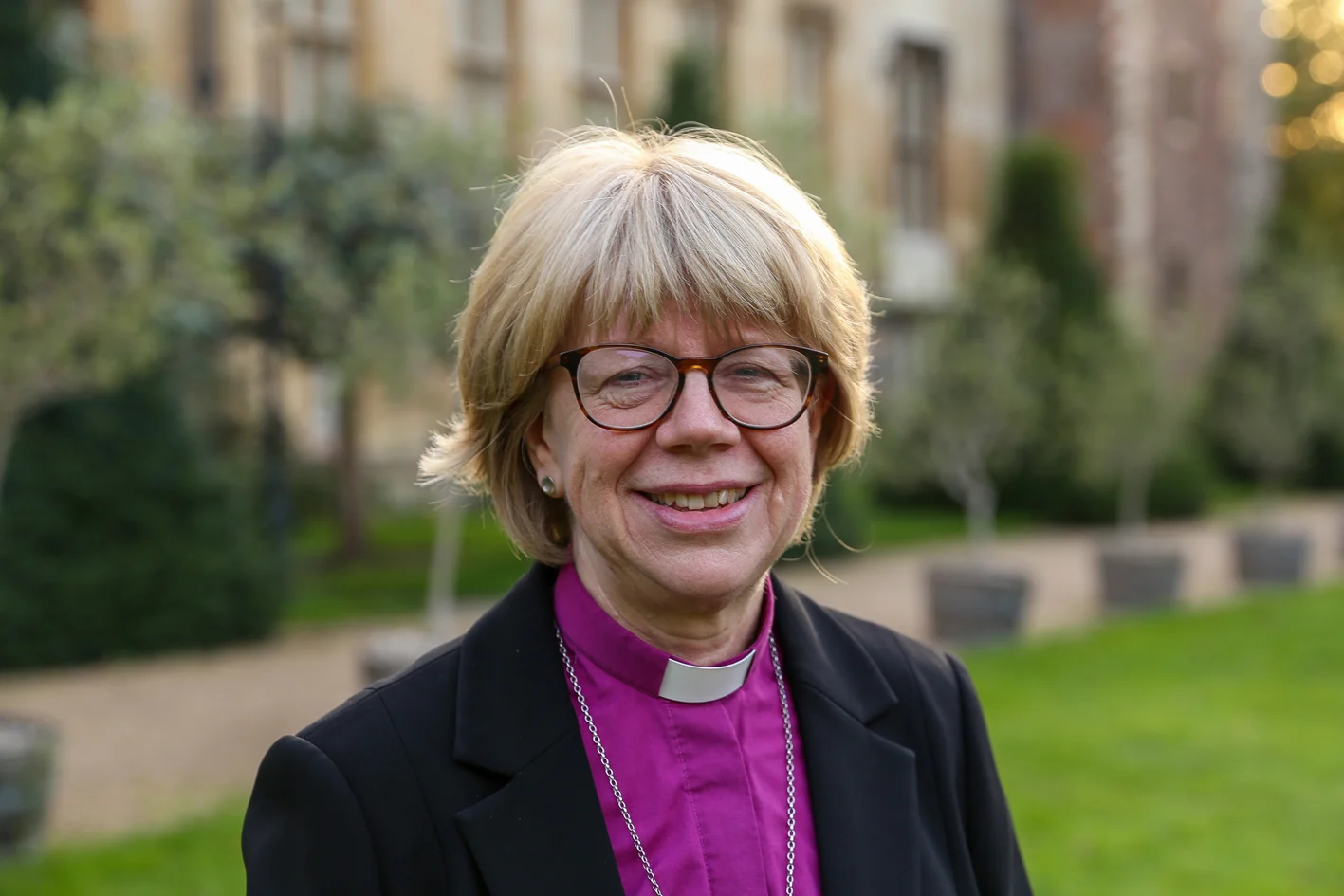
The Archbishop of Canterbury, Sarah Mullally will visit the Diocese over the weekend of 6 and 7 February. She will spend two days in the Diocese visiting churches and meeting with a range of people; hearing some of our stories and offering encouragement.
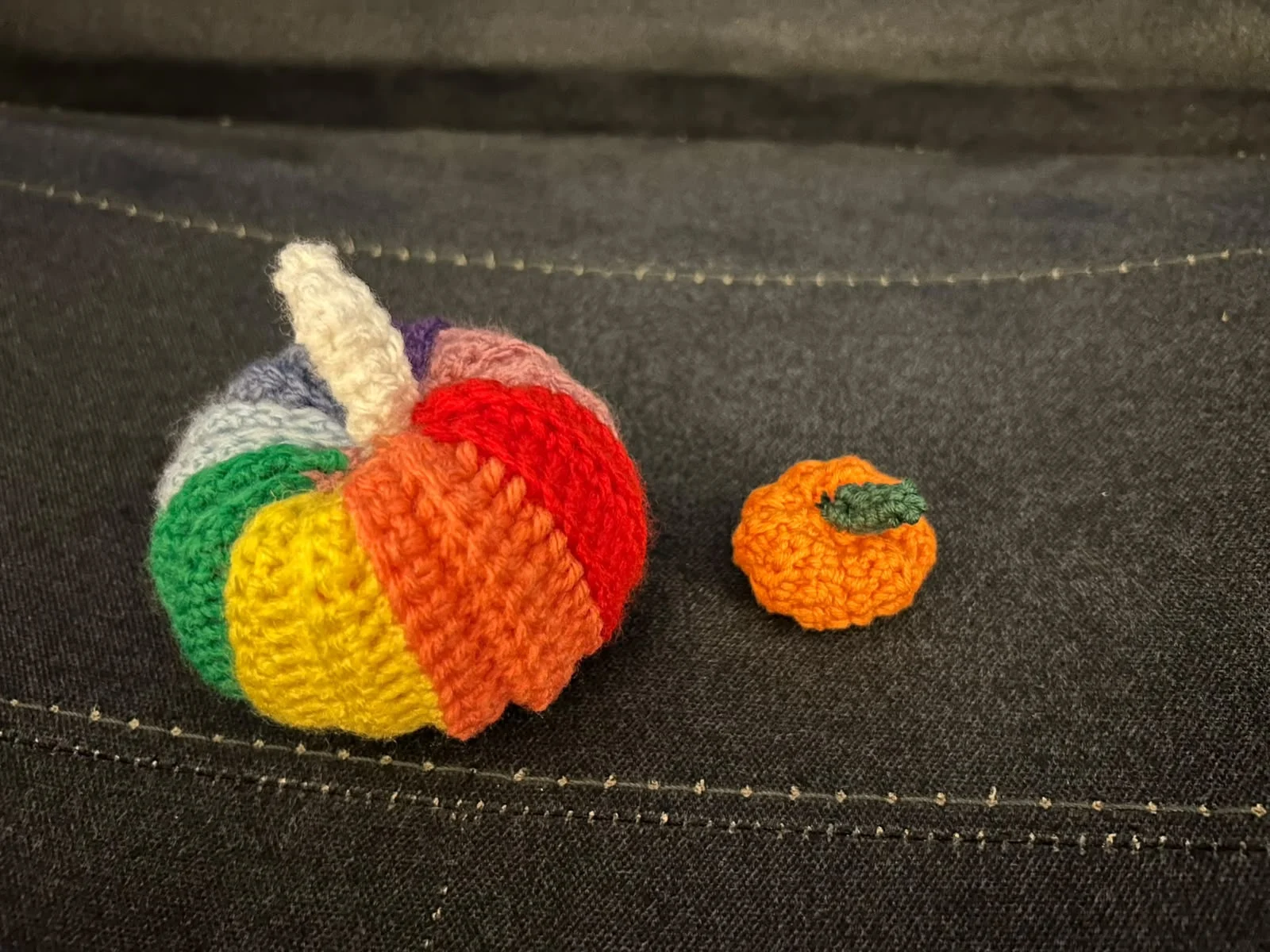
At the recent Clergy Conference, the diocesan stewardship team launched a Boomerang offering, to help activate generosity across the Diocese. Each person was given a £5 note to take home, pray with and see what act of generosity God was calling them towards. We also asked them to share their stories of how the money was used.