

Living Gently on the Earth resources
If you haven't yet organised a Lent course for 2027, why not consider the Living Gently on the Earth resources which have been developed by members of both the Cathedral and the diocesan Climate Crisis group.

In the latest in our Called to Action series, the Diocesan Climate Crisis group offers some top tips to save energy and reduce your bills! 1. Check your bills Regularly…
Regularly check meter readings, see if you can get a Smart Meter, and watch the standing charge on electric bills. You should not be paying more than 5% VAT or the Climate Change Levy (CCL) and can ask for back pay if you have been paying before.
Completing the Church of England Energy Footprint Tool helps you see your usage compared to other, similar churches.
Check the frost setting on your boiler thermostat is properly set, ideally 3-5 degrees, otherwise it’s coming on and off.
Use pew cushions or runners and use breathable matting on the floor. Encourage or provide hot water bottles. Have a store of blankets available. Try heated cushions!

Relocate meetings from the church to a warmer location, such as a local pub. Try changing the times of services to give the building a chance to warm up with sun. Use smaller, enclosed areas such as side chapels. Create warm hubs with the use of a gazebo within the church with electric infra red heaters.
Reduce or cease the church’s outdoor flood lighting.
Try reducing the temperature of hot water
Clean your radiators and pipes, dust can act as an insulator and make them inefficient. Have your boiler and radiators serviced, bleed radiators if they’re cold at the top and flushed out if cold at the bottom. Check all the appliances in the kitchen are running efficiently and run them in eco mode if they have one.

Use LED light bulbs, these can use up to 90% less energy.
Congregations sitting closer together and singing more can create natural warmth.
This webinar tells you where to start. Practical steps like setting boiler / heating controls, DIY draught proofing, timers, water saving, procurement of energy and energy bills. Simple steps that don’t cost the earth. Find it here
Find more practical suggestions on the Church of England’s website.
If you haven't yet organised a Lent course for 2027, why not consider the Living Gently on the Earth resources which have been developed by members of both the Cathedral and the diocesan Climate Crisis group.
Holy Trinity Church in Malvern has been awarded Gold in the Campaign to Protect Rural England (CPRE) Worcestershire’s Best Eco…

Sue Adeney and Andrew Sillis recently attended a Creation Festival as guests of our partner diocese of the Evangelische Kirche…

This Season of Creation, churches across the country are making the Great Switch to a green tariff - and we’d love your…
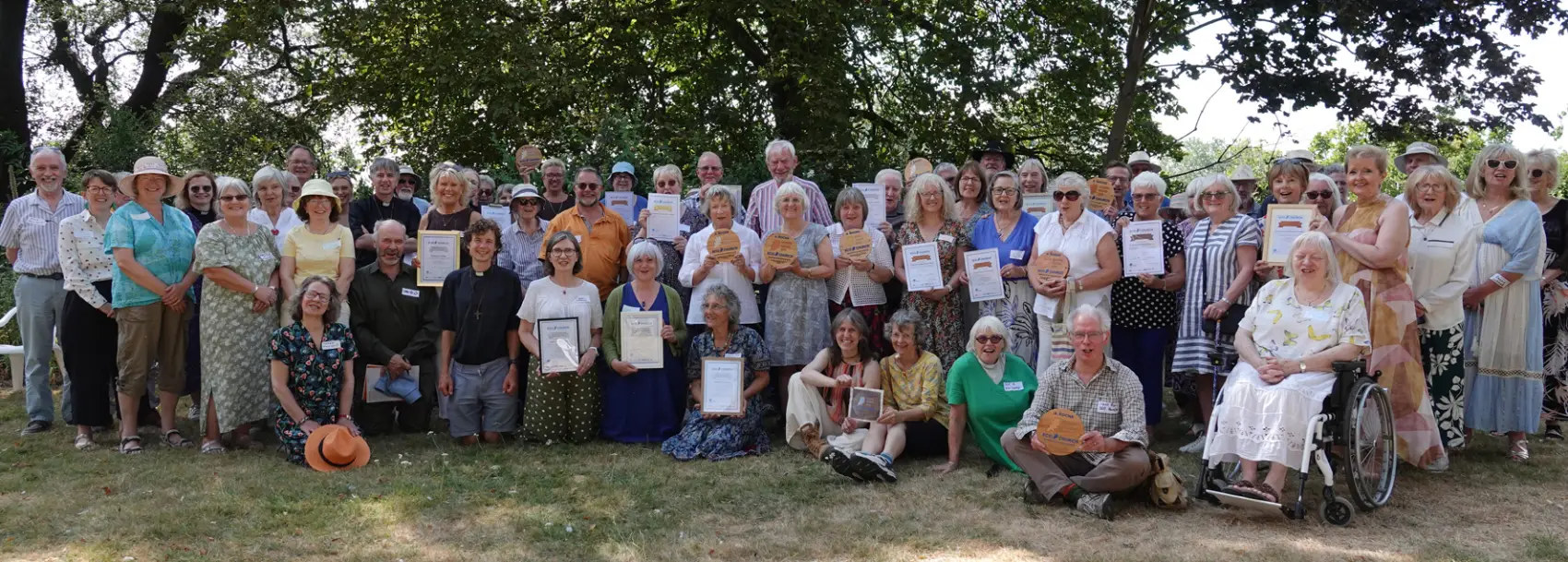
Around 80 people from across the Diocese gathered in the garden of the Old Palace in Worcester on Saturday to…

At the end of June the Church remembers the martyrdoms of St Peter and St Paul and this year, for…
In June, 24 members of Kingswinford Parish got together to host their first ‘Sustainable Evening’ with friends. They watched ‘The…

All churches registered with Eco Church are invited to a special celebration event in the Old Palace gardens, Worcester on…
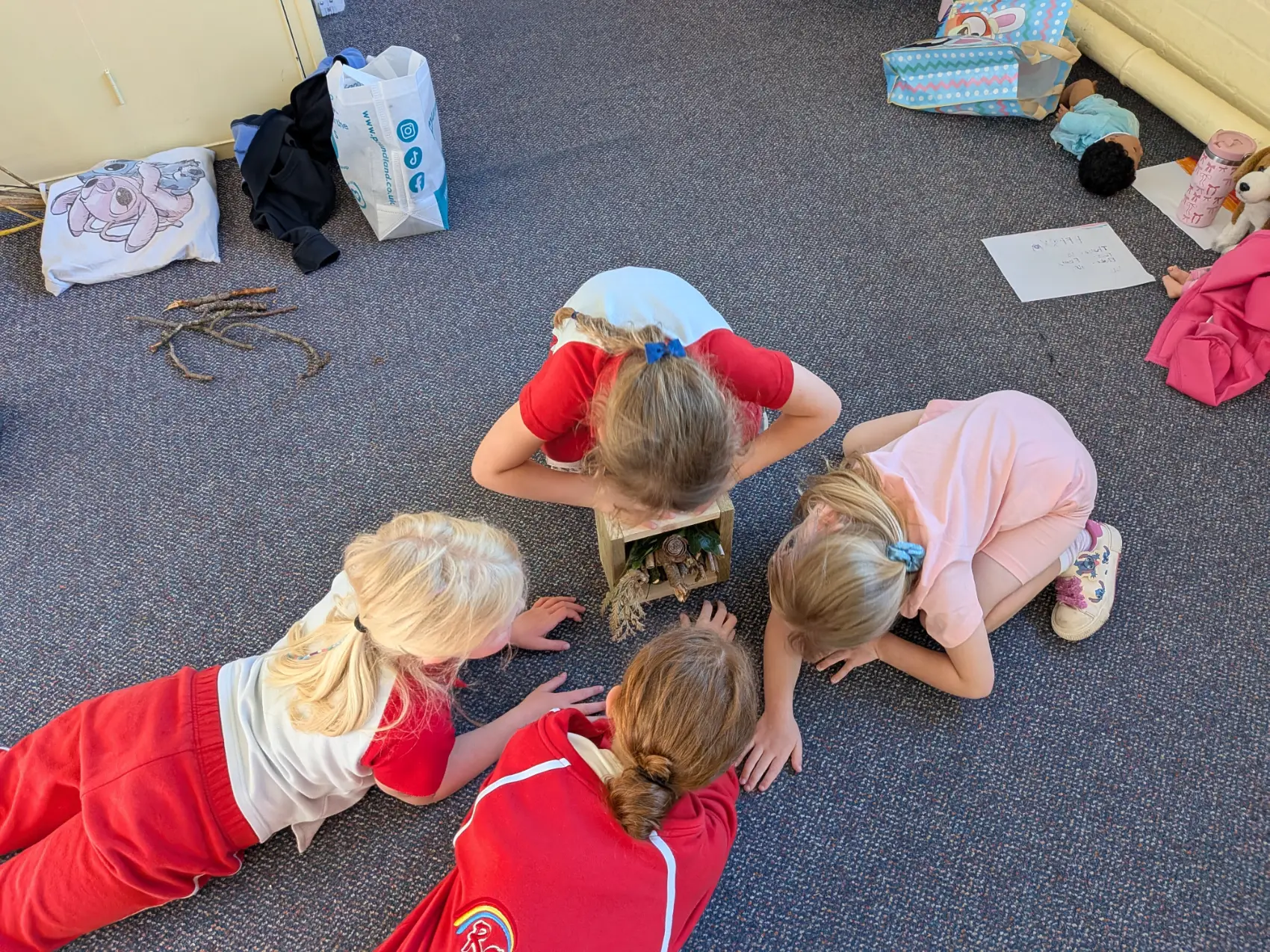
The Malvern Link Rainbows recently filled Bug Hotels to put in the churchyard at Holy Trinity Church, Malvern. The Bug…
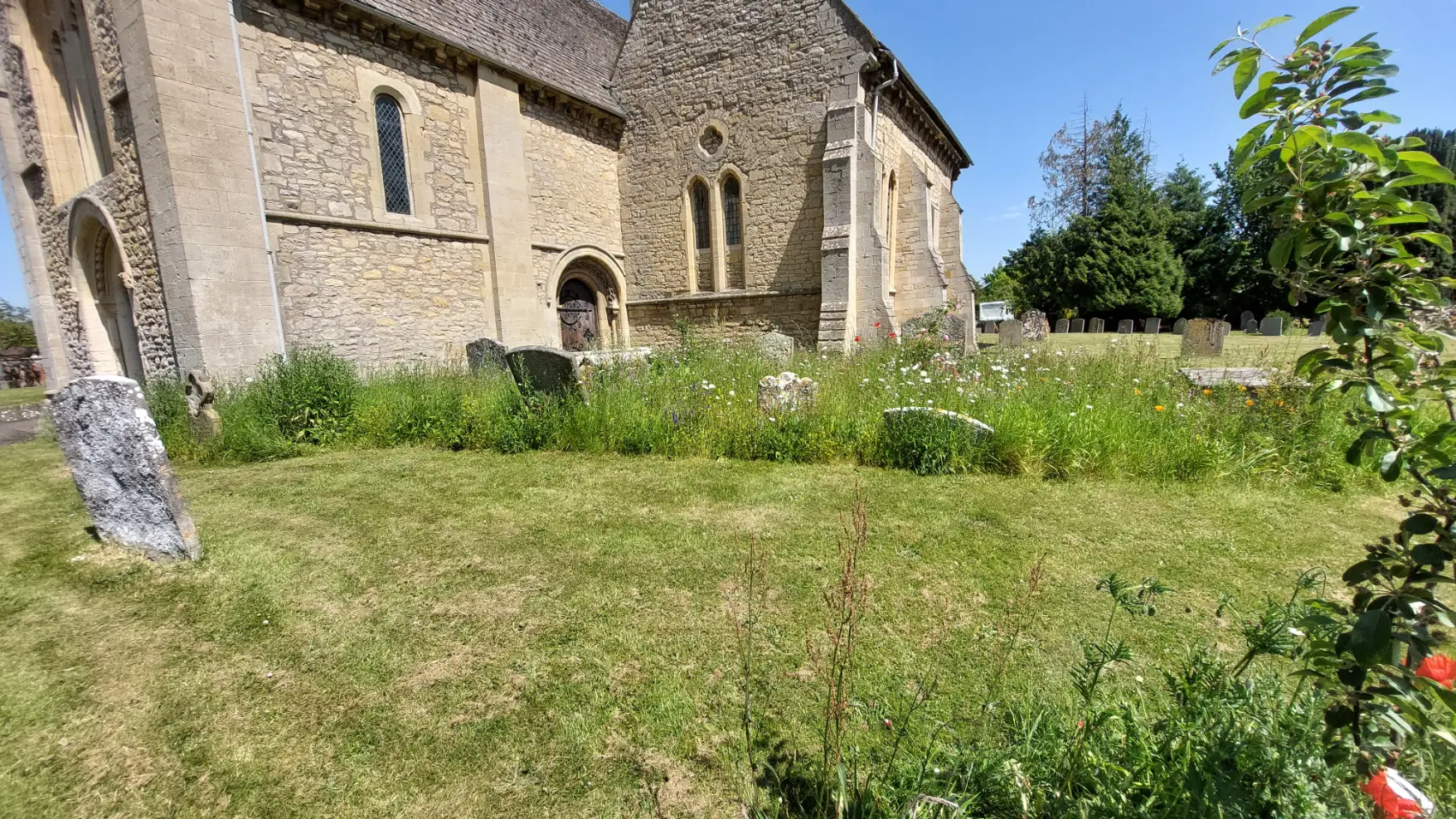
This year the Campaign for the Protection of Rural England (CPRE) is celebrating its Centenary Anniversary and to mark the…