
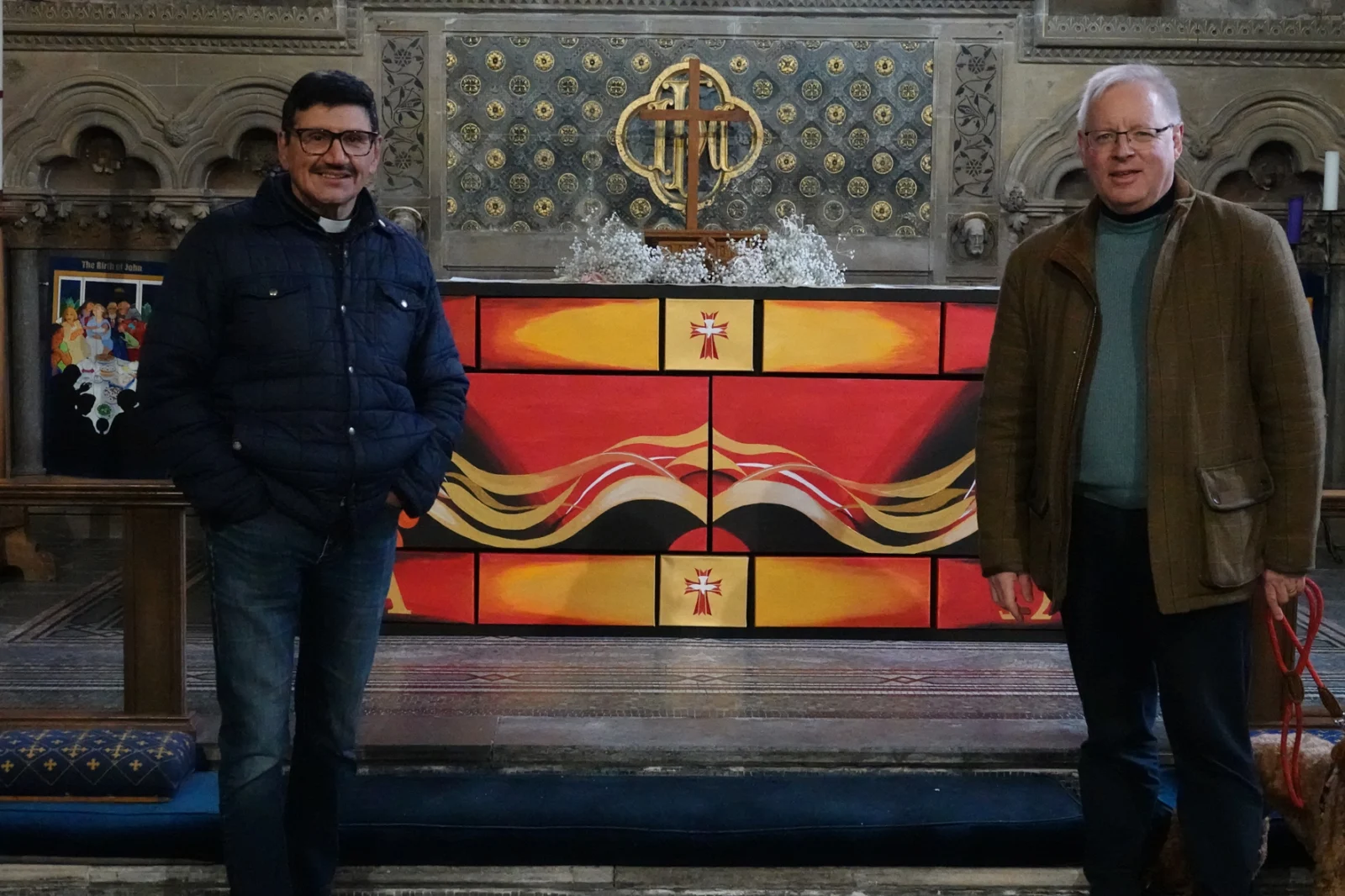
Community designed altar frontals
St John’s Church in Bromsgrove has worked with local schools and their own congregation to design a set of striking new altar frontals for their high altar.
Rebecca Roseff is a promoter of walking pilgrimage and during August she walked over 50 miles over five days visiting churches throughout the Diocese. "In the 1520s Martin Luther said…
“In the 1520s Martin Luther said pilgrimage was just ‘self-indulgence by those fit and wealthy enough to enjoy an adventure, largely at the expense of others’. Having returned from a five days pilgrimage walking from north to south of the Diocese of Worcester from Cradley Heath to Tewkesbury, I can say I agree with Martin Luther, it is an indulgence, but it doesn’t have to be, it can be more.
“On the indulgence side, the pilgrim gains spiritually. Letting go of safety, trusting to God and humanity is the key, the more you let go and be open to what comes, the more you gain. and I remain reasonably confident that promoting walking as a way to developing spiritual truth is a good thing.
“The great problem though with pilgrimage in Britain is where to stay. In the past people stayed in monasteries and hostels, but these are long gone. If you stay in B&Bs, the pilgrimage could become a holiday. This is where churches come in. Set every couple of miles or so, visible for all to see, they are the perfect place for the pilgrim to unroll her/his bed mat. They would aid the spiritual journey, the pilgrim is resting in a holy place, the place where the early preachers first set their preaching cross, at the centre of the community, around which the rest of the landscape was organised. The whole landscape then becomes holy.
Planning my walk around churches this year was more difficult due to the Covid-19 closure but after sketching out my route on OS maps, I found the vicars I phoned on my route (located from ‘A Church Near You’ website) all positive and supportive. Three churches, Blakedown, Tardebigge and Inkberrow were able to accommodate me and on the fourth night I slept out under the stars in a church yard, watching swifts dart and weave overhead and waking to a summer peace, it was fine – honestly it was.
The first stopover was Blakedown, a small medieval church, but inside with some remarkable 1930s wood carvings. I unrolled the bed mat on a side aisle and slept well in a friendly, secure place and in the morning had an excellent breakfast at the village shop. Canon Sue Oliver and Churchwarden Andrew welcomed me and I had supper with Sue and her husband. She showed me the book The Way Under our Feet by Bishop Graham Usher and told me that her parishes were developing local pilgrimage routes themselves from 2 to 15 miles. This seemed a great idea, one I had not thought of, again churches would be at the centre of these day walks, as meditation places, toilet and water breaks.

The second night I stayed at Tardebigge. I was so pleased to walk to this church as for years, when I lived in Birmingham, it was a landmark for me with its tall steeple, set high on a hill, but I had never found my way to it. I was welcomed here by Steve and Angie Rigby, and unrolled the bed mat in the church hall facing the church. Next morning churchwarden Jane Hall showed me round the period 18th century church built on an ancient site by the local large landowner, for prestige and beauty and showing God’s presence for the villages around for centuries to come. Jane was very supportive of the idea of pilgrimage and suggested I visited St Mary’s in Lower Bentley, also in her wardenship. I did the next day. St Mary’s is small, secluded and set in beautiful countryside and an ideal place for pilgrims.
The third night I stayed in Inkberrow, a wonderful medieval church on a hill with magical views. I put the bed roll in a side aisle and at night heard the bell mechanism whirrs (and bells) and many creaks and woke with the dawn through the east windows, as for sure had many night vigilers had before me. I had supper with the Revd Bruce Rienstra and his wife and churchwardens Guy and Pippa Ledger in The Old Bull next door (famous as the Archers ‘Bull’), buzzing with people chatting and laughing. Bruce also cares for Dormston Church which I had visited the day before and is on the Via Beata way.
Nearly all of the churches I visited had drinking water, benches and shady places to sit, so already provide rest for travellers. Some had toilets, some had church halls, some were near pubs or village shops.

In retrospect, the walk had had few low points, of course not, pilgrimage is about accepting everything without judgement. Four days later when I re-traced my journey on the train to Birmingham, looking at the country passing swiftly by, I had the feeling that it was a known, and loved place, the whole of it was a home. The highlights I will remember over this warm acceptance were the awesome Clent Hills, Bredon Hill in the misty early morning and meeting Richard, the only other person on a steaming Ashchurch station. He told me he was on his way back to Cardiff after two years in Tewkesbury sleeping out in shop doors and parks.”
Churches Visited: Cradley, Homer Hill, Lye High Street, Woolescote, Pedmore, Clent, Broome, Churchill, Blakedown, Dodford, Bromsgrove, Tardebigge, Lower Bentley, Cruise Hill, Feckenham, Dormston, Inkberrow, Rous Lench, Abberton, Bishampton, Fladbury, Crophthorn, Elmley Castle, Overbury, Out of Diocese: Tewkesbury Abbey
To participate in walking pilgrimage in England and for more information please contact www.ChurchWalkingPilgrimages.org
St John’s Church in Bromsgrove has worked with local schools and their own congregation to design a set of striking new altar frontals for their high altar.
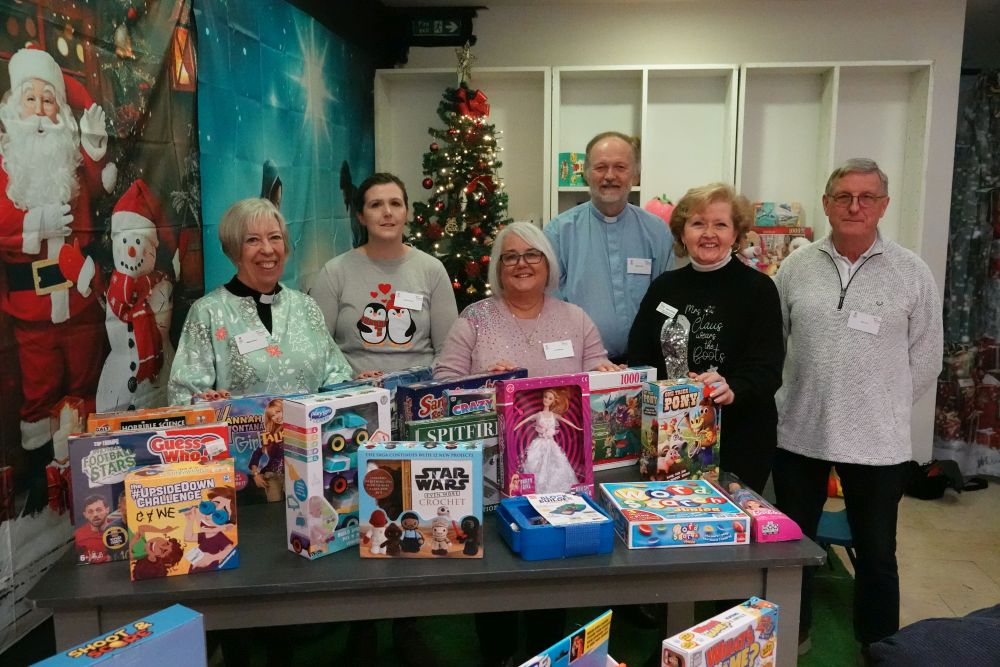
Congratulations to the Redditch Mission Area, whose Make Christmas Special Toy Appeal has been awarded the King’s Award for Voluntary Service in recognition of their community engagement.

If you haven't yet organised a Lent course for 2027, why not consider the Living Gently on the Earth resources which have been developed by members of both the Cathedral and the diocesan Climate Crisis group.

At the recent Clergy Conference, the diocesan stewardship team launched a Boomerang offering, to help activate generosity across the Diocese. Each person was given a £5 note to take home, pray with and see what act of generosity God was calling them towards. We also asked them to share their stories of how the money was used.
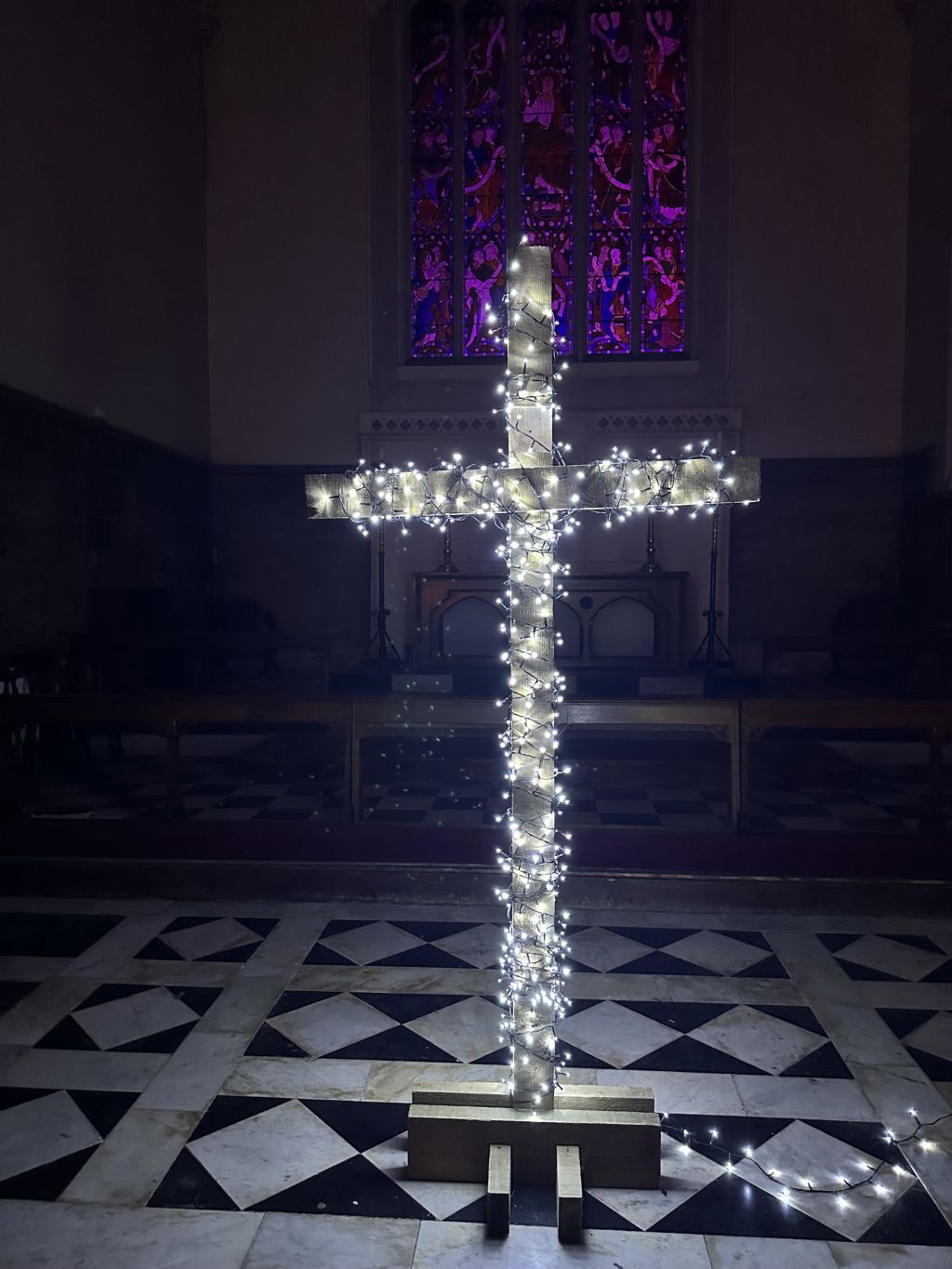
Many of our churches hosted ‘light parties’ at the end of October as a popular alternative to Halloween. Some of our renewal churches hosted the biggest celebrations.
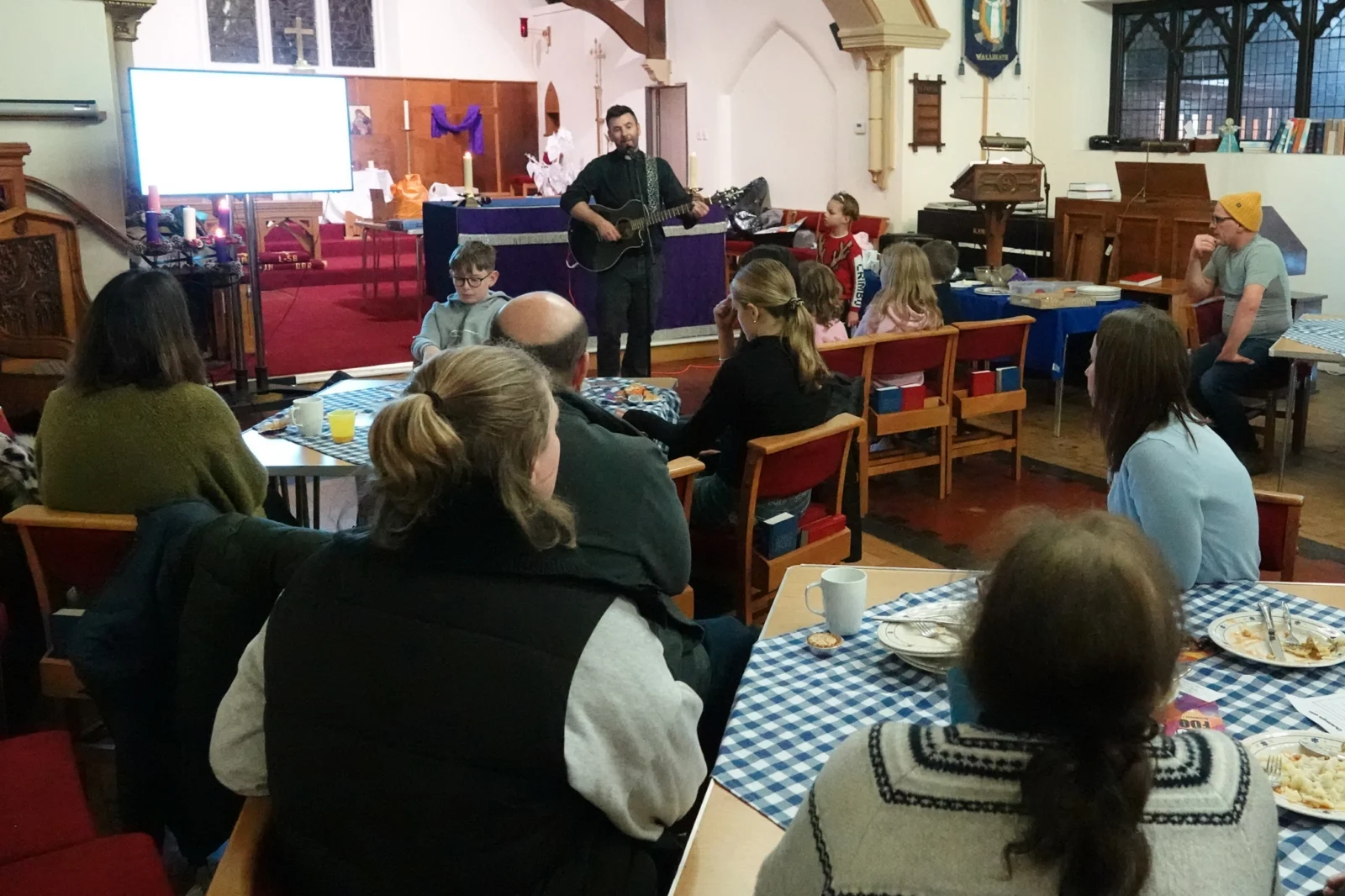
Our diocese has been awarded £3.6 million to continue to support churches as part of phase two of our programme to ensure our churches are healthy and sustainable for the future.

Kelly Gordon is a member of Wordsley Parish in Greater Dudley Deanery. She has recently been selected as one of only three people in the UK to be part of the Leaders Europe programme within the Obama Foundation.
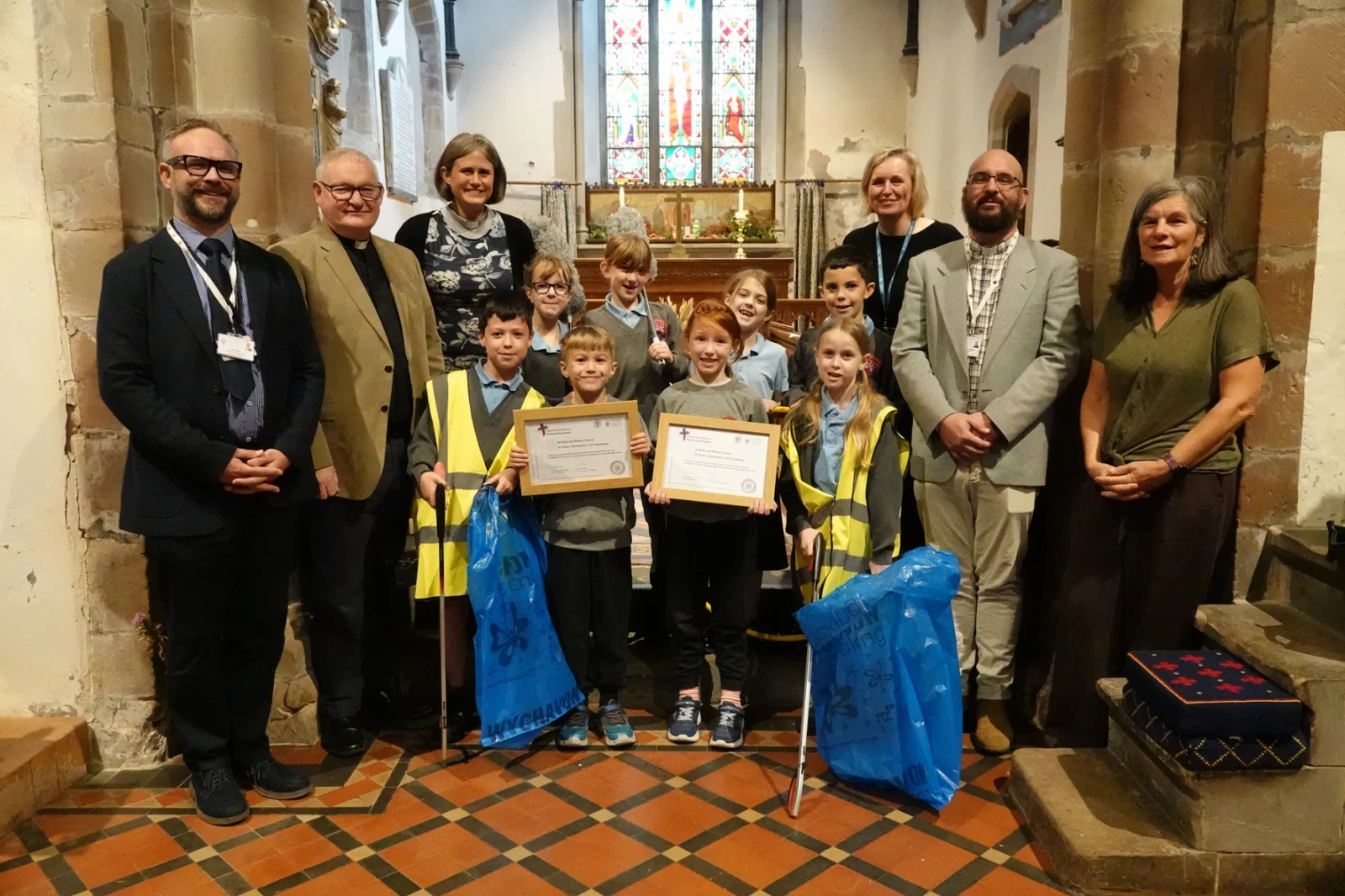
St Peter’s CE Academy and St Peter’s Church in the Saltway Team have been awarded a silver Church and School Partnership Award recognising the close relationship between the church, school and local community.

This year’s Church of England Advent and Christmas theme focuses on the first and greatest Christmas gift of all: the gift of God being born as one of us in Jesus Christ.
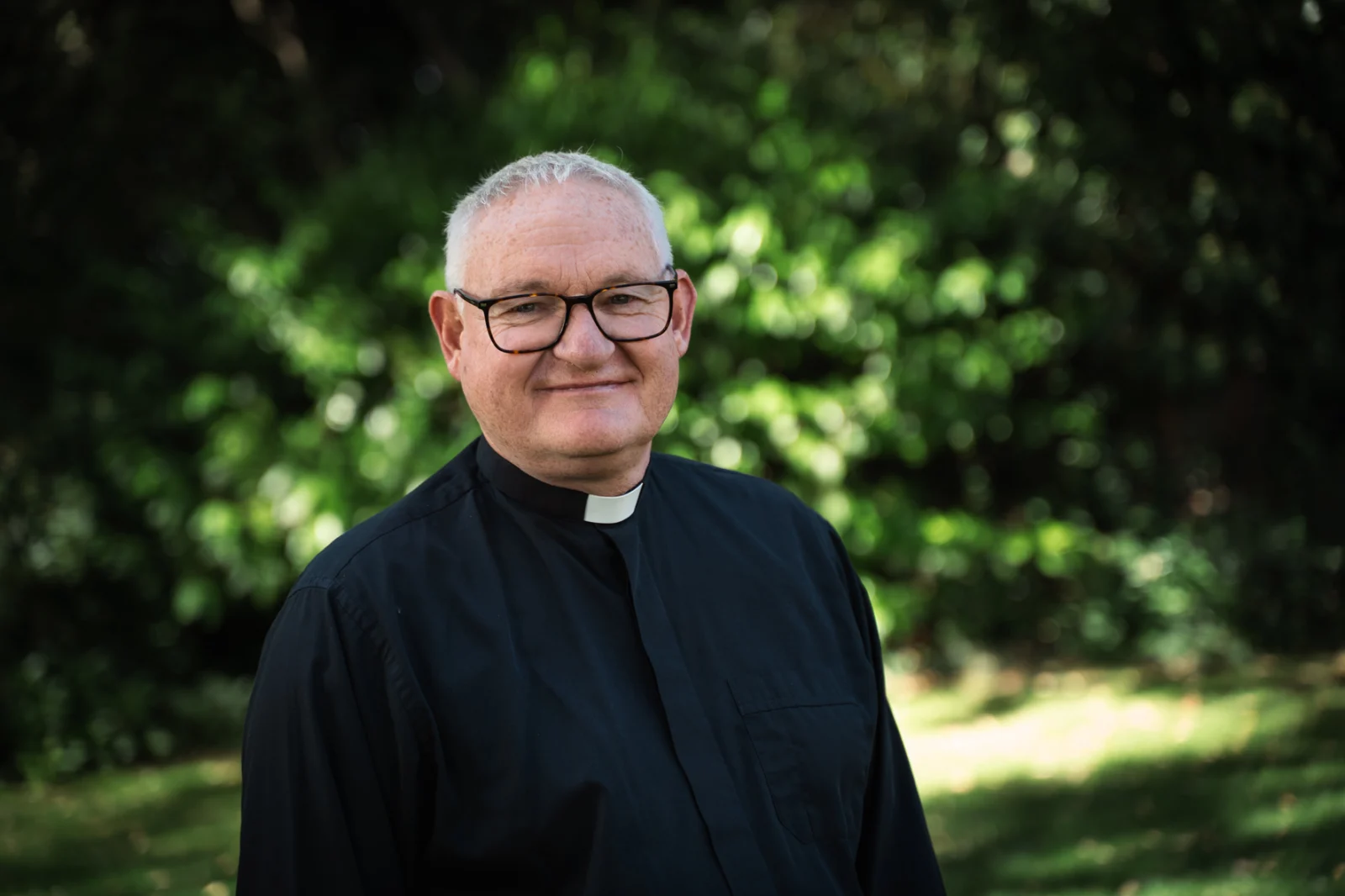
An article from Archdeacon Mark for December editions of parish magazines.