Community designed altar frontals
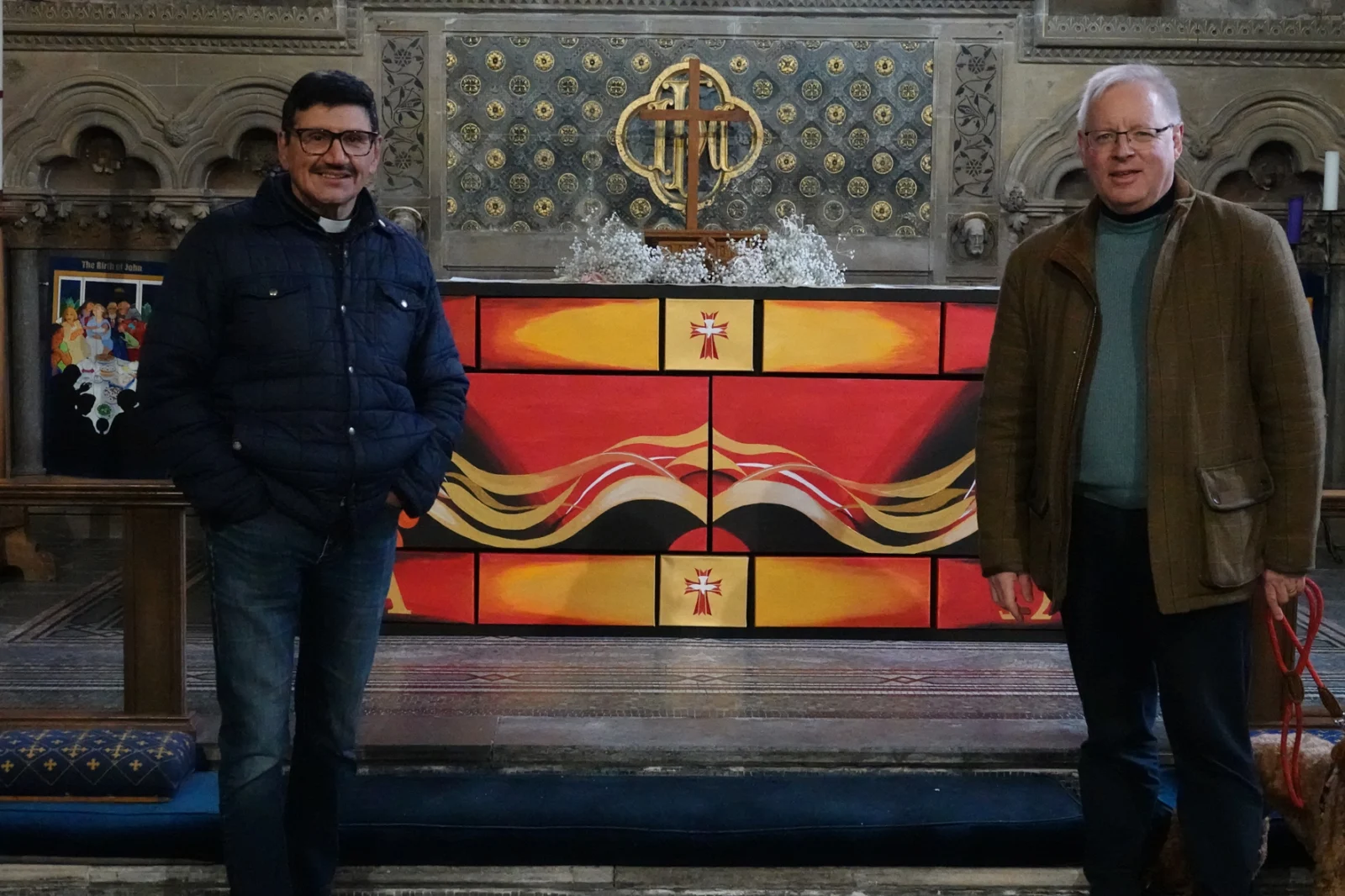
St John’s Church in Bromsgrove has worked with local schools and their own congregation to design a set of striking new altar frontals for their high altar.
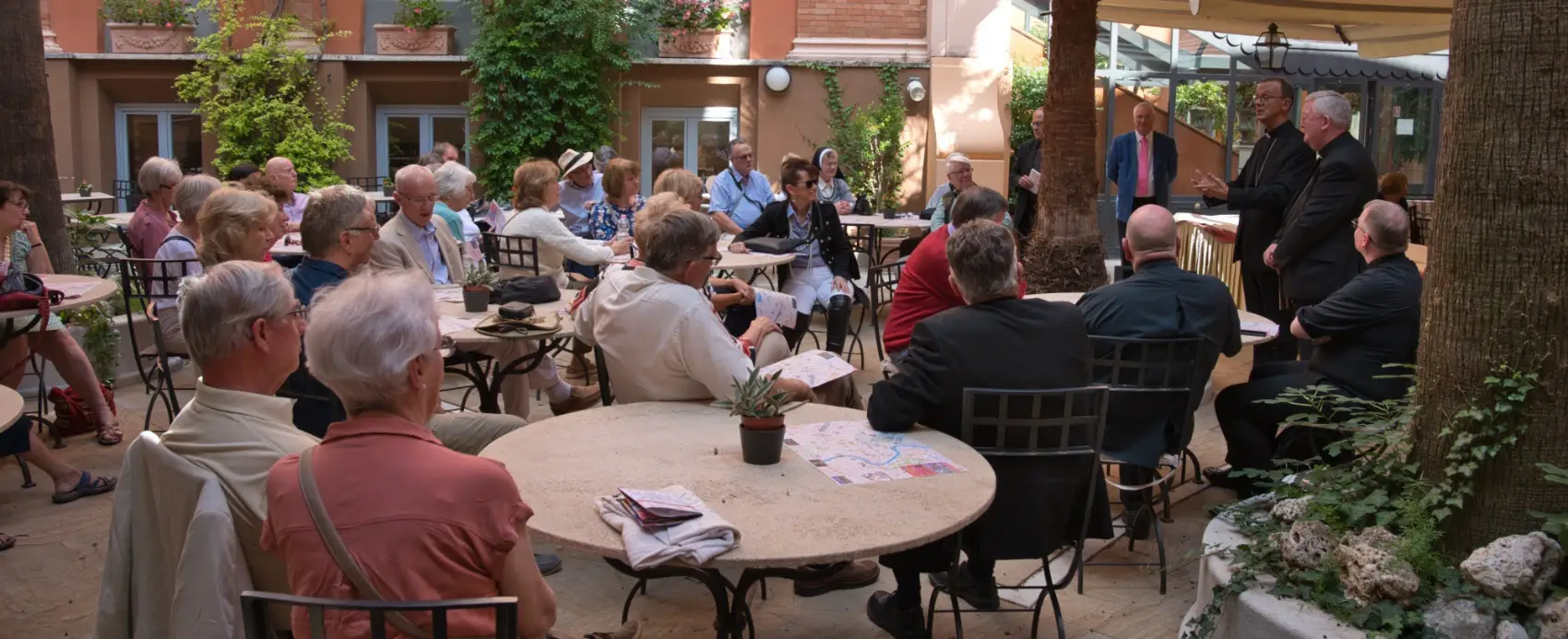
42 pilgrims from across our diocese and the RC Archdiocese of Birmingham are currently visiting Rome on a week long trip led by Bishop John and Archbishop Bernard Longley. Discipleship…
42 pilgrims from across our diocese and the RC Archdiocese of Birmingham are currently visiting Rome on a week long trip led by Bishop John and Archbishop Bernard Longley.
Discipleship and Lay Training Officer, Doug Chaplin, shares some of his thoughts and photos as they travel.

42 pilgrims and 2 guides have safely arrived at Hotel Ponte Sisto in Rome. Heres Archbishop Bernards housekeeper, Sister Luke, in the hotel lobby. (Entrance through the big door on the left of the street.

We start with a visit to the Venerabile – the Venerable English College, originally a mediaeval pilgrims hostel – so an appropriate place to start our pilgrimage.

At our first mass of the pilgrimage Archbishop Bernard is principal celebrant in the chapel of the Venerable English College, reminding us that St Jerome (whose feast it is today) taught that to grow in our understanding of scripture was to grow in our relationship with Christ.
See more photos from day 1 of the pilgrimage.
Tuesday 1 October

The second day of the ecumenical pilgrimage to Rome began with a visit to St Peter’s Square, with a look around the square, before the group headed off to a meeting with

Cardinal Kurt Koch, head of the Pontifical Council for Promoting Christian Unity.

Then pilgrims went to St Peter’s, through airport style security, and into a heaving mass of humanity that made viewing the building overwhelming in its size an exercise in trying to avoid claustrophobia.
Our bishops also pointed out the memorial to the son and grandchildren of James II, deposed in a parliamentary coup d’etat in 1688.

Then it was on to lunch, before going to All Saints Anglican Church. Bishop John presided at a celebration of the Eucharist there to round off the day’s programme. The remainder of the day was rest and recovery time.

The pilgrims gathered together in St Peter’s Square.
Wednesday 2 October
Day 3 of the Ecumenical pilgrimage to Rome shared with the Archdiocese of Birmingham, and it’s the morning for attending a general audience with Pope Francis. Here are a few pics that tell the story of the morning, including Archbishop Bernard being presented to the Pope, and the Dean telling His Holiness of the new birth of his granddaughter Hattie, and getting a cross blessed for her.


At the end of the audience Bishop John distributed rosaries blessed by the Pope to the pilgrims.
After a lunchtime break, the pilgrims regrouped for a visit to two locations, before ending the day with supper in the Jewish quarter.

The first was a visit to San Clemente this is associated with a leader of the church at Rome, officially the third pope after St Peter. He was martyred at the end of the first century, and his first letter nearly made it into the pages of the New Testament. The present day church has several levels, going down to the excavated 4th century church, and even older spaces under that.

After that we went on to the church of St Giorgio (George) in Velabro, to celebrate a Roman Catholic Mass. This church is unusual among churches dedicated to St George, as it is a seventh century building, and George only became popular when the Crusaders brought back stories of him. Since he is our English patron Saint, and we have members from both the Anglican and Catholic churches of St George, there was reason enough to visit this earliest church dedicated to him.

But it was also the titular church assigned to Blessed John Henry Newman when he was made a cardinal, and so we looked forward to his canonisation next week.
Thursday 3 October

The fourth morning of the ecumenical pilgrimage, we primarily focused on the history of Roman Jews. Jewish people have lived continuously in Rome since before the time of Jesus, and as our guide was keen to stress, Italian Judaism is unique because of that history which predates the divisions of the Diaspora into Sephardi (western and north African) and Ashkenazi (largely east European).

We visited the Great Synagogue of Rome and also a Sephardi synagogue joined to the Jewish Museum. The Sephardi Jewish community of Rome descends from the Spanish Jews who moved there after Isabella and Ferdinand aimed to make Spain an exclusively Catholic country in 1492, conquered the Muslims and expelled Jews, or sought their forcible conversion.
The morning finished with a related but different theme at the church of St Bartholomew, now a site of commemoration of contemporary Christian martyrs, including St Oscar Romero. The commemorations also make mention of the Anglican martyrs of the Melanesian Brotherhood in 2003 on the Solomon Islands. The morning was a time to pray in penitence, and for peace

The afternoon and evening of the fourth day of the ecumenical pilgrimage included two key visits. First the group visited, and were entertained by, the British Ambassador to the Holy See. This took place on the top floor of the embassy, situated next to the Quirinale (presidential palace) with a beautiful view over Rome.

After this the group moved to the Anglican Centre. There we were greeted by the newly arrived Abp Ian Ernst, the Archbishop of Canterbury’s personal representative to the Holy See. Meeting the Worcester – Birmingham pilgrimage group was his first engagement since being appointed.
Friday 4 October

The ecumenical pilgrimage moved outside Rome, to the town and monastery of Subiaco. This is the place where Benedict, who had been sent from his home in Nursia to be a student at Rome, abandoned his studies and retreated to a cave at Subiaco for a life of simplicity.

Over the years his life attracted others to join him, and he ended up founding a number of monasteries, and creating a new religious order founded on what has since become the single most influential document of Western monasticism: the Rule of St Benedict.
Today there are still two monasteries at Subiaco: the smaller St Benedict’s, carved into the mountain and built around and over its holy grotto (the cave Benedict began in), and the larger St Scholastica’s, dedicated to St Benedict’s sister.

The monastery has a large number of astonishingly well preserved frescoes from the 13th century, and includes one painted from life of St Francis, who visited the site of Benedict’s cave. It’s notable among portrayals of Francis for not showing him with the stigmata, since it was painted the year before he is believed to have received them.

The visit concluded with mass for St Francis’ feast day, and a fairly festal meal in the town of Subiaco before returning to Rome.
Saturday 5 October
The Saturday leg of the ecumenical pilgrimage was largely optional. Some pilgrims chose to wander around Rome (and perhaps indulge some Italian-style retail therapy). Some rested.

Just over half chose an excursion out to Castel Gandolfo, not (as you might think) the home of Middle Earths most famous wizard, but the traditional summer residence of the popes. Since Pope Francis rejected the opulence of palaces for a simpler lifestyle, Castel Gandolfo has been opened to the public, and includes both a tour of the former papal apartments, and a historical exhibition of the popes since the Catholic Reformation.

There is also a tour of the extensive gardens, which include a (pictured) 700 year old oak tree. Its also got stunning lakeside views, and is set in a pleasant hillside town.

Mid-afternoon the pilgrims came together again for a tour of the catacombs of St Calixtus, and a Eucharist in a chapel there presided over by the Archdeacon of Worcester.
Sunday 6 October

By way of thanks for their hospitality, this morning Bp John presented a copy of the Scriptures to the Vice-Rector of the Venerable English College. This was one of the copies, embossed with the diocesan crest, which is given to priests in Worcester on their ordination.

Our pilgrimage nears its end at St Pauls outside the walls – traditional site of the apostles burial. Don Ludivico OSB part of the attached community greets the pilgrims.

The pilgrims then move inside St Pauls to join the Benedictine community for Solemn Vespers and Benediction.
St John’s Church in Bromsgrove has worked with local schools and their own congregation to design a set of striking new altar frontals for their high altar.
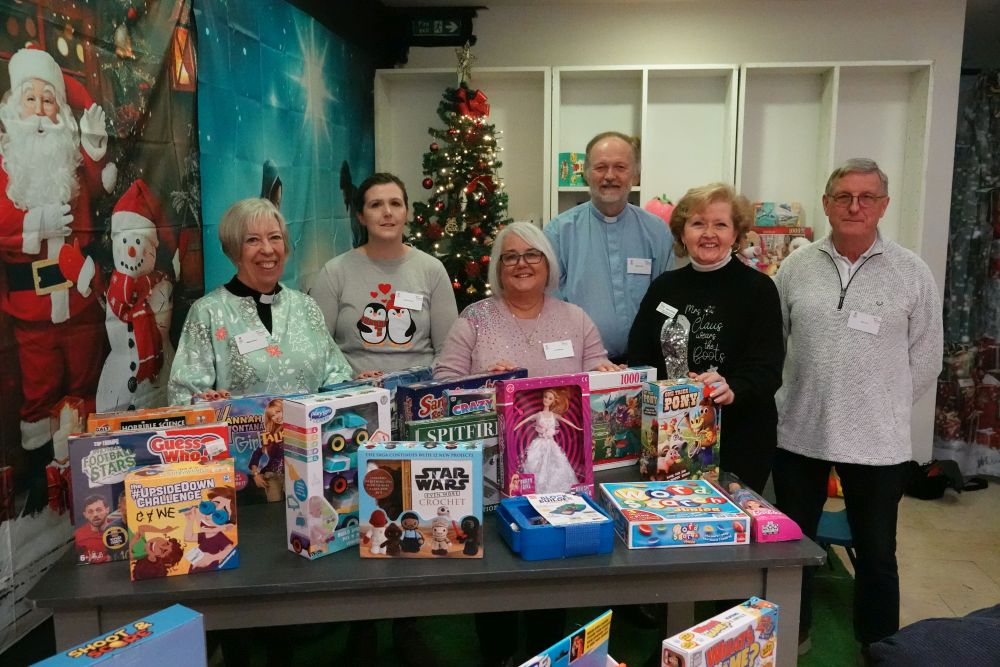
Congratulations to the Redditch Mission Area, whose Make Christmas Special Toy Appeal has been awarded the King’s Award for Voluntary Service in recognition of their community engagement.

If you haven't yet organised a Lent course for 2027, why not consider the Living Gently on the Earth resources which have been developed by members of both the Cathedral and the diocesan Climate Crisis group.
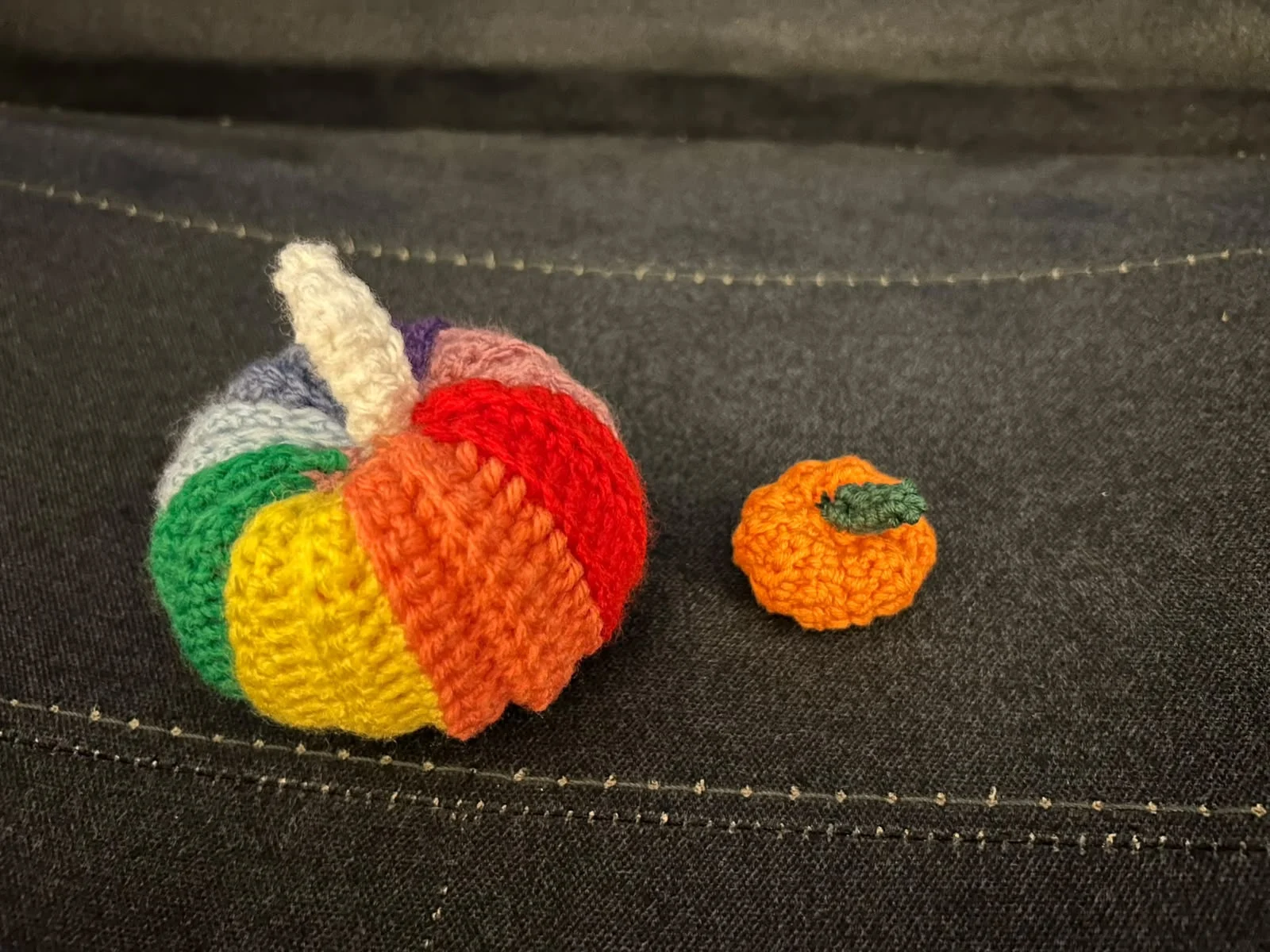
At the recent Clergy Conference, the diocesan stewardship team launched a Boomerang offering, to help activate generosity across the Diocese. Each person was given a £5 note to take home, pray with and see what act of generosity God was calling them towards. We also asked them to share their stories of how the money was used.
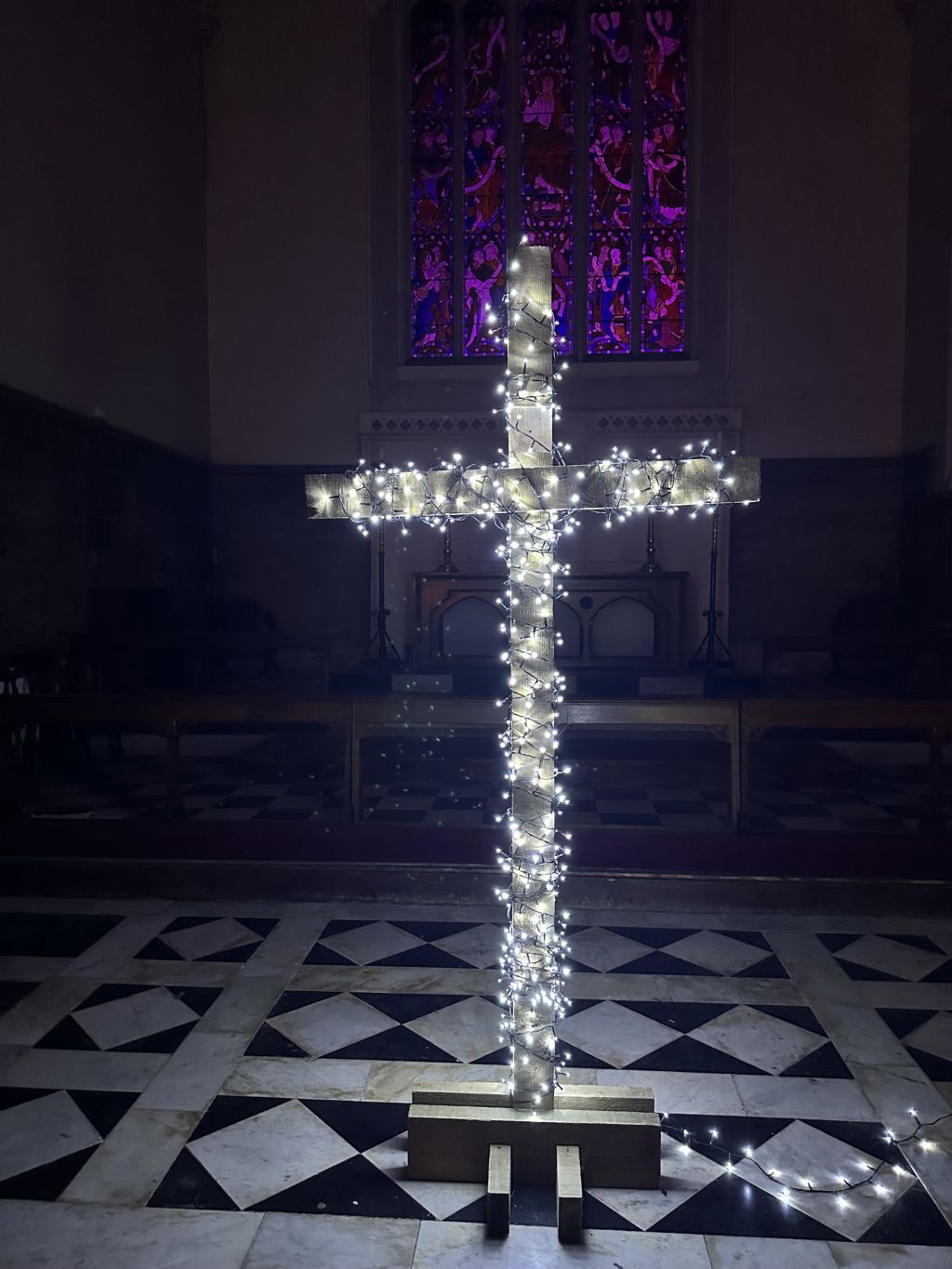
Many of our churches hosted ‘light parties’ at the end of October as a popular alternative to Halloween. Some of our renewal churches hosted the biggest celebrations.
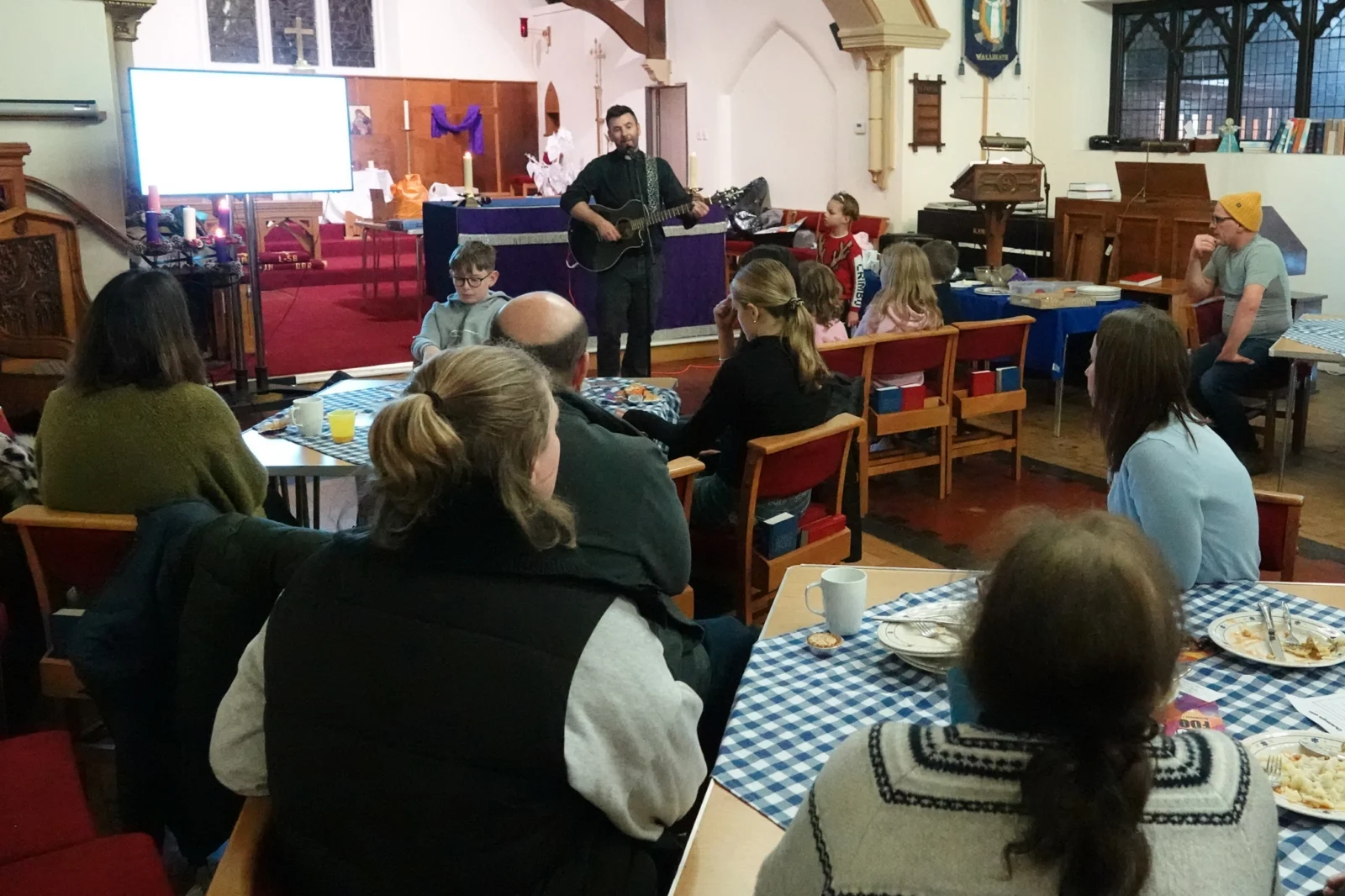
Our diocese has been awarded £3.6 million to continue to support churches as part of phase two of our programme to ensure our churches are healthy and sustainable for the future.

Kelly Gordon is a member of Wordsley Parish in Greater Dudley Deanery. She has recently been selected as one of only three people in the UK to be part of the Leaders Europe programme within the Obama Foundation.
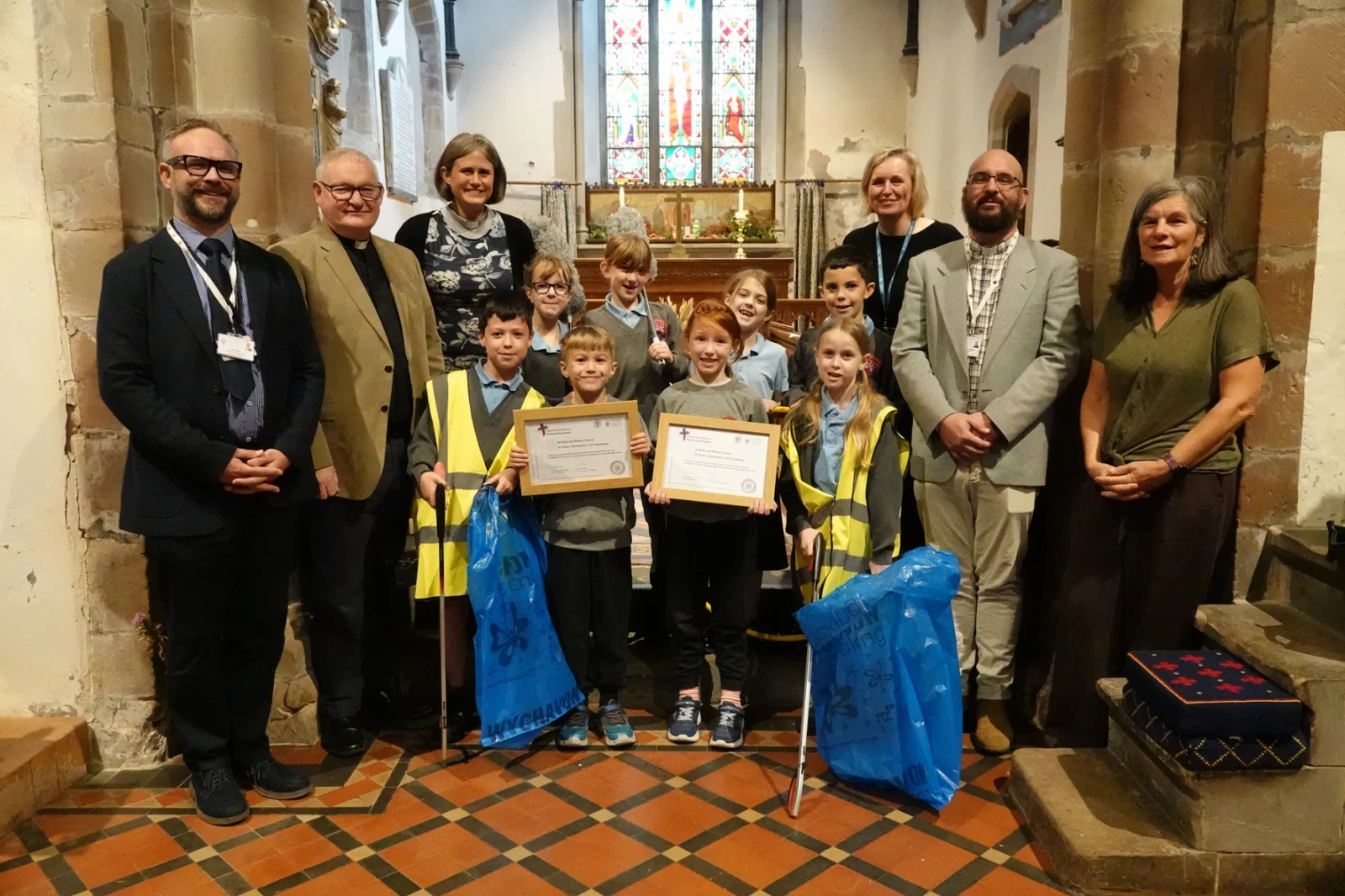
St Peter’s CE Academy and St Peter’s Church in the Saltway Team have been awarded a silver Church and School Partnership Award recognising the close relationship between the church, school and local community.

This year’s Church of England Advent and Christmas theme focuses on the first and greatest Christmas gift of all: the gift of God being born as one of us in Jesus Christ.
An article from Archdeacon Mark for December editions of parish magazines.